


How to Choose the Best Wall Sheet Supplier?
Choosing the best wall sheet supplier is not simply a price comparison. It is a practical decision about performance, consistency, and long-term risk.
A reliable supplier should provide clear product specifications, stable production quality, and realistic delivery dates. Ask for technical data before requesting a discount. Check thickness tolerance, surface finish, fire-performance documentation, moisture resistance, and installation requirements. A sample should feel solid in your hands, not unusually brittle or uneven. Inspect its edges, coating, color consistency, and protective packaging. Small defects often become expensive problems after installation.
Building-science expert Joseph Lstiburek often says, “Water is the boss.” His point is highly relevant to wall sheet selection. A supplier should explain how its sheets manage moisture, joints, cleaning, and movement across changing temperatures. Do not accept vague claims. Request test reports, batch records, warranty terms, and references from comparable projects. Speak with previous buyers when possible. Their experience may reveal delayed shipments, weak technical support, or unexpected replacement costs.
A strong supplier also understands your application. Interior bathrooms, commercial kitchens, healthcare spaces, and exterior areas demand different solutions. Confirm whether the supplier can recommend compatible adhesives, trims, sealants, and maintenance methods. I would not choose a factory based only on polished brochures. Production photographs, factory audits, and sample testing offer better evidence. Still, no evaluation is perfect. A trusted supplier may occasionally miss a deadline or provide an imperfect batch. The important question is how openly and quickly the company responds. Choose a wall sheet partner that documents its promises, communicates clearly, and protects your project after the sale.
Understanding Wall Sheet Types and Their Intended Uses
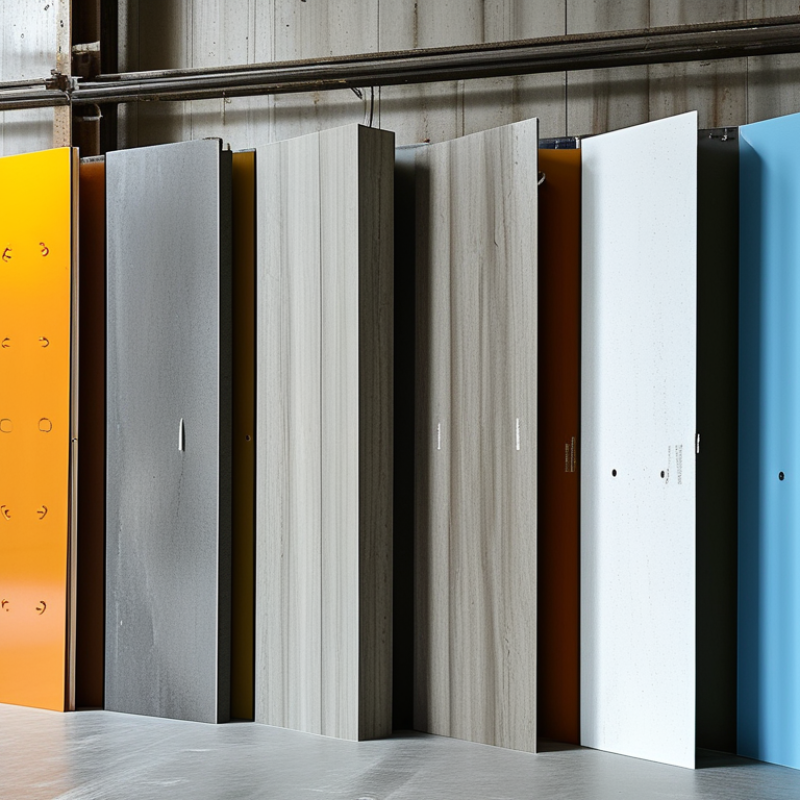
Choosing a wall sheet supplier becomes easier when you understand the sheet’s intended use. Different spaces demand different surfaces, thicknesses, and installation methods. A bathroom wall needs moisture resistance, while a warehouse may prioritize impact strength. Appearance matters, but performance should guide the decision.
PVC sheets are lightweight, easy to clean, and suitable for wet rooms or utility areas. HPL sheets offer a tougher decorative surface for corridors, offices, and commercial interiors. Fiberglass-reinforced panels can handle frequent cleaning and occasional impacts. Metal-faced sheets suit areas needing durability, although they may show dents clearly. Measure twice.
During supplier discussions, request technical data rather than relying on photographs. Check water absorption, fire performance, chemical resistance, surface hardness, and temperature limits. Ask whether the stated results come from recognized laboratory testing. A reliable supplier should explain installation tolerances, adhesive compatibility, joint treatment, and replacement procedures. Vague answers deserve caution.
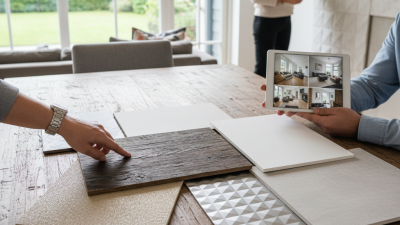
I have found that sample testing often reveals problems hidden by product descriptions. Place a sample near lighting, touch its edges, and clean it with the intended detergent. Check for warping after exposure to moisture. One overlooked detail is color consistency between production batches. It can affect large walls noticeably. Also, delivery packaging matters; damaged corners can turn a good specification into wasted material. The cheapest sheet may not remain economical after cutting, repairs, and maintenance.
| Wall Sheet Type | Common Core or Material | Typical Thickness | Key Performance Characteristics | Intended Uses | Recommended Environment | Important Supplier Checks |
|---|---|---|---|---|---|---|
| PVC Wall Sheet | Rigid or semi-rigid polyvinyl chloride | Approximately 1.5–5 mm | Lightweight, moisture-resistant, easy to clean, and available in a wide range of colors and surface patterns. | Washrooms, utility rooms, commercial interiors, food-service areas, and decorative wall protection. | Areas with frequent cleaning or moderate humidity. | Confirm surface cleanability, dimensional stability, fire-test documentation, and resistance to the cleaning chemicals used at the project site. |
| FRP Wall Panel | Fiberglass-reinforced plastic with a resin matrix | Approximately 1.5–4 mm | High impact resistance, washable surface, good moisture resistance, and strong performance in demanding service areas. | Commercial kitchens, food-processing rooms, hospitals, workshops, storage areas, and high-traffic corridors. | Wet, hygienic, or impact-prone indoor environments. | Check fiberglass content, panel weight, impact performance, compatible adhesives and trims, and documented hygiene or fire ratings where required. |
| Acrylic Wall Sheet | Polymethyl methacrylate plastic | Approximately 2–6 mm | Glossy appearance, strong color clarity, good light transmission in translucent grades, and smooth non-porous surfaces. | Feature walls, retail interiors, reception areas, bathroom accents, signage backgrounds, and decorative installations. | Dry interior spaces where visual appearance is a primary consideration. | Verify scratch resistance, UV stability, color consistency between batches, allowable forming radius, and installation tolerances. |
| Polycarbonate Wall Sheet | Solid or multiwall polycarbonate | Approximately 2–10 mm | High impact resistance, low weight, and good light transmission; some grades are designed for outdoor exposure. | Protective wall panels, partitions, workshops, semi-transparent screens, and areas requiring impact-resistant glazing-like surfaces. | High-impact indoor areas and selected exterior applications. | Confirm UV protection, fire classification, thermal expansion allowance, optical quality, and suitability for the intended fixing system. |
| Aluminum Composite Panel | Two aluminum skins bonded to a polymer or mineral-filled core | Usually 3–6 mm overall | Flat, lightweight, rigid, weather-resistant when properly specified, and suitable for precise fabrication. | Exterior façades, commercial interiors, column cladding, canopies, and signage applications. | Interior or exterior projects requiring a durable, formed, and low-maintenance cladding surface. | Request core type, fire classification, aluminum alloy and coating details, coating warranty, flatness tolerance, and fabrication guidance. |
| High-Pressure Laminate Sheet | Decorative paper layers impregnated with thermosetting resin | Approximately 0.6–12 mm, depending on construction | Durable decorative surface, good abrasion resistance, and broad design flexibility; standard grades may require a substrate. | Interior wall cladding, healthcare spaces, education facilities, hospitality interiors, and retail fit-outs. | Dry to moderately humid indoor environments. | Check abrasion rating, antibacterial claims, moisture resistance, substrate requirements, edge treatment, and approved installation method. |
| Mineral Fiber or Cement-Based Panel | Mineral fibers, cement, cellulose, or other inorganic binders | Approximately 6–12 mm | Good dimensional stability, impact resistance, and potential fire and acoustic performance depending on the tested system. | Service corridors, public buildings, technical rooms, façades, and projects needing robust inorganic wall finishes. | Interior or exterior applications subject to project-specific performance requirements. | Verify water absorption, freeze-thaw performance where relevant, fire test results, panel weight, cutting requirements, and supporting substructure. |
| Acoustic Wall Panel | Fabric-wrapped fiberglass, mineral wool, PET felt, or perforated wood-based construction | Approximately 12–50 mm | Designed to reduce sound reflection and reverberation; performance depends on thickness, air gap, coverage, and installation. | Offices, meeting rooms, classrooms, studios, restaurants, libraries, and open-plan workspaces. | Interior spaces where speech clarity and reverberation control are important. | Ask for laboratory acoustic data, typically including sound absorption coefficients, fire classification, edge details, and cleaning instructions. |
| Wood Veneer or Solid Wood Panel | Natural veneer over a board substrate or solid timber | Approximately 8–25 mm | Natural appearance, tactile warmth, and good design flexibility; moisture movement must be considered. | Hospitality interiors, offices, residential feature walls, libraries, and reception areas. | Conditioned indoor environments with controlled humidity. | Confirm wood species, moisture content, veneer matching, formaldehyde emissions, finish durability, and maintenance requirements. |
| Stone Veneer or Sintered Surface Panel | Natural stone veneer or engineered mineral surface | Approximately 3–20 mm | Premium appearance, strong surface durability, and resistance to heat or moisture depending on the product construction. | Feature walls, hotel interiors, residential spaces, lobbies, fireplaces, and selected exterior cladding systems. | Interior and exterior applications approved by the manufacturer and project engineer. | Check panel weight, water absorption, slip or surface characteristics where relevant, fixing method, joint design, and handling requirements. |
| Supplier Evaluation Criteria | Applies to any wall sheet material | Project-specific | Reliable technical information, consistent quality, traceable production, and responsive project support are essential to product selection. | Material procurement for residential, commercial, industrial, healthcare, hospitality, and public projects. | Every environment should be assessed according to moisture, impact, fire, hygiene, acoustic, UV, and maintenance demands. | Compare samples, technical data sheets, safety documentation, test reports, batch consistency, minimum order quantity, lead time, packaging, cut-to-size capability, replacement policy, and after-sales support. |
Related Posts
-
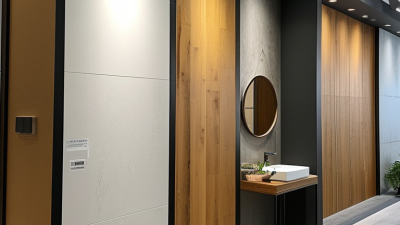
Best Wall Sheet Types for Global Buyers in 2026?
-
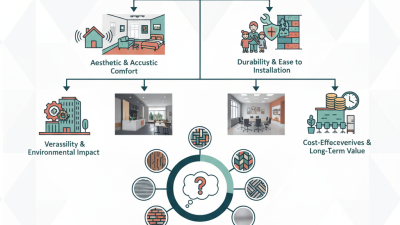
What is the Best Wall Panels for Your Home or Business?
-
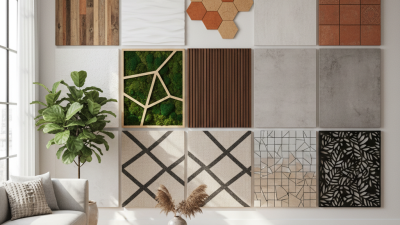
10 Best Wall Panels to Transform Your Space in 2023
-
How to Choose Wood Veneer Wall Panels for Global Projects?
-
What is the Best Wall Sheet Material for Your Home?
-

How to Choose the Right Wall Sheet for Your Home Decor?