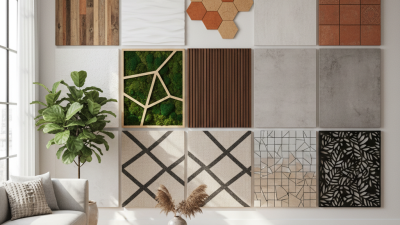

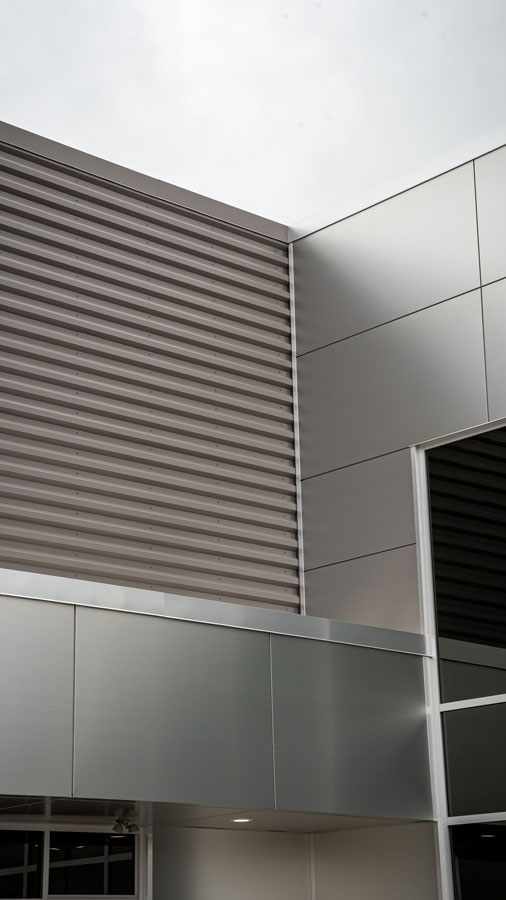
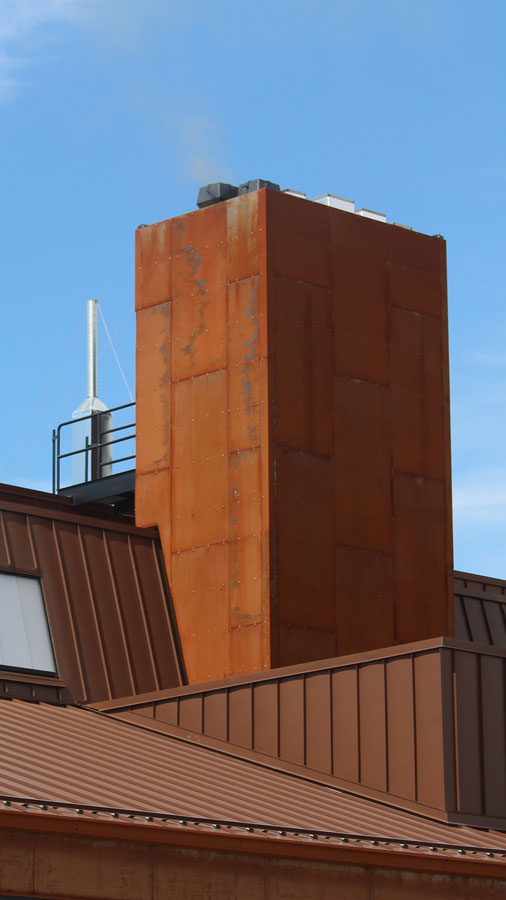


Best Wall Sheet Types for Global Buyers in 2026?
In 2026, global buyers will compare more than appearance when choosing a wall sheet. They will examine moisture resistance, fire performance, installation speed, and long-term maintenance. A sheet that looks elegant in a showroom may swell beside a humid bathroom. A low-cost panel may also create expensive disposal or replacement problems.
Market data shows why this category deserves careful evaluation. Grand View Research estimates the global wall panels market reached approximately USD 14.01 billion in 2023, with growth projected through 2030. Fortune Business Insights reports a larger market value because its category includes different panel materials and applications. The gap is important. Definitions vary, so buyers should not treat one market forecast as absolute truth.
Building-science expert Joseph Lstiburek offers a useful principle: “The perfect wall has all of the control layers outboard of the structure.” His guidance points beyond decoration. A practical wall sheet should manage water, air, vapor, and heat within the complete wall assembly. Material selection alone cannot guarantee performance.
This guide compares PVC, SPC, fiberglass-reinforced plastic, metal, wood-based, and mineral-based wall sheet types. It considers climate, shipping conditions, project scale, installation skills, and local compliance requirements. Certification matters. So does the installer’s experience.
There is no universal winner.
A coastal hotel may need a different solution than a dry warehouse. Some sustainable claims also deserve closer inspection, especially when recycled content, durability, and end-of-life recovery are measured differently. The best choice is therefore not the cheapest sheet or the most fashionable finish. It is the option that performs reliably in its actual environment.
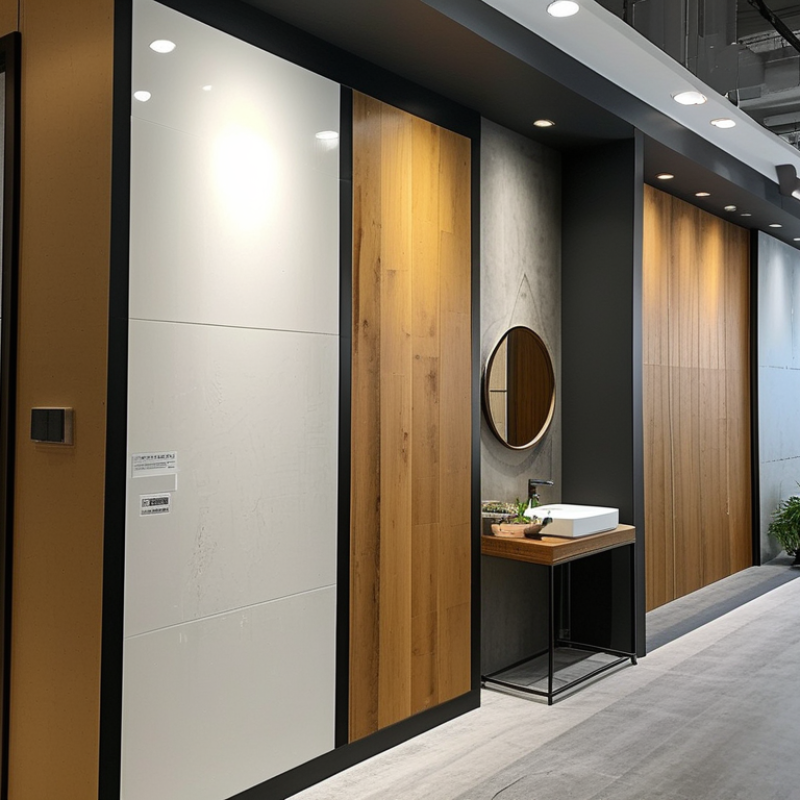
How to Classify Wall Sheet Types for Global Buying Needs
Best Wall Sheet Types for Global Buyers in 2026?
Classifying wall sheet types starts with the material, not the appearance. Common groups include PVC sheets, fiber cement panels, metal sheets, wood-based boards, and mineral composite panels. Each group behaves differently during cutting, transport, installation, and long-term use. PVC suits moisture-prone rooms, while fiber cement offers stronger impact resistance. Metal sheets can support modern façades, but surface temperature and corrosion require careful review.
A second classification uses structure and application. Solid sheets, sandwich panels, acoustic panels, and decorative laminates serve different project goals. Buyers should compare thickness, core density, fire performance, moisture resistance, sound control, and installation method.
Climate matters too. A dry inland project may accept different specifications than a humid coastal building. In my experience, surface appearance often receives too much attention. It is useful, but it cannot replace technical data and sample testing. Classification is not perfect.
Tips: Request full technical sheets, test reports, tolerances, and installation guidance before ordering. Check dimensions against container space and local labor practices. Confirm whether accessories are included. Ask for samples from different production batches. Small color differences can become obvious across a large wall. Also review cleaning needs, repair methods, and expected service conditions. One overlooked detail can weaken an otherwise suitable purchase.
Key Materials and Performance Features of Wall Sheets in 2026
Best Wall Sheet Types for Global Buyers in 2026?
Wall sheets now combine visual design with measurable performance. In practical project reviews, material choice often decides maintenance costs. Polyvinyl chloride sheets resist moisture and clean easily. They suit bathrooms, kitchens, clinics, and other high-use interiors. However, lower-grade formulas may discolor under strong sunlight. That weakness deserves careful testing.
Fiber cement sheets offer strong fire resistance and stable outdoor performance. They can handle temperature changes better than many decorative panels. Their heavier weight increases transport and installation demands. Aluminum composite sheets provide a smooth surface and low maintenance. Their core composition must match local fire-safety requirements. Never judge safety by appearance alone.
Engineered stone sheets create a solid, premium impression. They are dense, but cutting and handling can be difficult. Recycled polymer sheets reduce material waste in some applications. Their long-term color stability still varies by formulation. Ask for test data, not attractive samples. Check moisture absorption, impact strength, surface hardness, fire classification, and formaldehyde emissions. Small details matter. I have seen projects select excellent-looking sheets, then struggle with weak joints and poor edge sealing. Installation quality can reduce real performance, even when the panel specification looks impressive. Local climate, building codes, cleaning chemicals, and repair access should shape the final decision. A perfect material does not exist.
Best Wall Sheet Types for Global Buyers in 2026
Typical material density and its impact on handling, structural load, and installation
Lower-density sheets generally reduce transportation weight and installation effort, while higher-density materials usually provide greater impact resistance and surface durability. The figures shown are representative midpoint values from commonly published technical ranges for standard sheet products; exact performance varies by thickness, formulation, reinforcement, and test method.
Reference framework: typical density ranges reported in technical literature and product specifications aligned with common EN and ASTM testing practices. Values are material-category estimates and do not represent any company or brand.
How to Match Wall Sheets with Climate, Buildings, and Applications
Choosing the best wall sheet starts with the climate, not the catalogue. In humid coastal zones, moisture-resistant sheets with sealed edges reduce swelling and hidden mould risks. In hot regions, light-coloured surfaces can limit heat gain, but only when ventilation is adequate. Strong ultraviolet exposure also demands stable coatings and regular inspection.
Cold climates require sheets that tolerate thermal movement and repeated freeze-thaw cycles. Allow expansion joints where temperature changes are severe. For wet rooms, food facilities, and wash areas, select non-porous surfaces with easy-clean finishes. Fire performance matters in public buildings, warehouses, and apartment projects. Always verify the tested rating against local building requirements.
The building itself changes the specification. Masonry walls may need mechanical fixings and moisture barriers. Metal frames need compatible fasteners and movement allowances. Uneven substrates can telegraph through thin sheets, creating visible waves after installation. That detail is often underestimated. I have seen attractive finishes fail because installers ignored condensation behind the panel. A pre-installation survey should check humidity, wall flatness, drainage, and fixing conditions. Application also matters: a school corridor needs impact resistance, while a temporary interior may favour lighter sheets and faster installation. No single wall sheet suits every market. The cheapest option can become expensive after transport, repairs, and replacement.
Global Standards, Safety Rules, and Environmental Requirements
Best Wall Sheet Types for Global Buyers in 2026?
Global buyers should judge wall sheets by verified performance, not appearance alone. Fiber-cement sheets suit humid areas because they resist moisture and impact. Gypsum-based sheets work well indoors, especially where smooth finishing matters. Polymer sheets can simplify cleaning, but buyers should check fire behavior and chemical emissions carefully. No single material fits every market.
Fire classification must match the destination country’s building code. Ask for test reports from an accredited laboratory, including the exact product thickness and installation method. A report for one assembly may not cover another.
Check formaldehyde, VOC emissions, and restricted substances through current safety documentation. Small details matter.
Environmental requirements now influence purchasing decisions. Look for recycled content evidence, responsible mineral sourcing, and an environmental product declaration when available. Confirm packaging materials and disposal guidance before shipment. For outdoor projects, review weathering, UV exposure, freeze-thaw cycles, and water absorption.
In procurement reviews, I have seen buyers trust attractive certificates too quickly. Certificates can expire, use different test methods, or describe a similar product. Paperwork matters. Request batch traceability and installation instructions in the buyer’s language.
Safety performance also depends on correct cutting, sealing, ventilation, and fastening. A sustainable sheet installed poorly may create more waste and replacement costs.
How to Compare Costs, Suppliers, Installation, and Long-Term Value
Best Wall Sheet Types for Global Buyers in 2026
Choosing wall sheets requires more than comparing the price per square meter. PVC sheets often reduce purchase costs and installation time. HPL sheets can offer stronger surface performance in busy interiors. Fiber-cement sheets suit projects needing rigidity and fire-resistant construction. Always compare thickness, core material, surface finish, packaging, and expected service life. A low-cost panel may require frequent replacement. That calculation is often missed.
Supplier reliability matters as much as product quality. Request recent test reports, production photographs, sample pieces, and clear export documents. Check whether the supplier explains tolerances, moisture limits, and storage conditions. Ask for a full landed-cost estimate, including freight, duties, insurance, and local handling. I have seen attractive quotations become expensive after damaged cartons arrived. Samples help, but they cannot reveal every production inconsistency.
Tips: Compare at least three suppliers using the same specification sheet. Measure installation labor separately. Confirm compatible adhesives, trims, cutting tools, and repair methods before ordering. Ask for a small trial installation on a real wall. Observe joints, corners, color variation, and cleaning effort. Keep spare sheets for future repairs. This seems excessive. It may prevent delays. Long-term value also depends on local installer experience, climate exposure, maintenance access, and replacement availability. Some buyers focus too heavily on appearance, then discover that installation takes twice the planned time.
Related Posts
-
10 Best Wall Panels to Transform Your Space in 2023
-

How to Choose Wood Veneer Wall Panels for Global Projects?
-
What is the Best Wall Panels for Your Home or Business?
-
What are the Best Wall Sheet Types for 2026?
-

2026 Best Metal Manufacturing Innovations for Industry Growth?
-

What is the Best Wall Sheet Material for Your Home?