


What Are the 2026 Best Sheet Metal Panels for Global Buyers?
Choosing the best sheet metal panels for global buyers in 2026 requires more than comparing thickness and price. Climate exposure, coating performance, fire safety, supply reliability, and installation methods can change the final value significantly. A panel that performs well in a dry warehouse may fail quickly near a saltwater port. Small details matter.
The World Steel Association’s Short Range Outlook projects global steel demand growth in 2026, following stronger industrial and construction activity. This trend may increase panel availability, but it may also intensify price, energy, and transportation pressures. The International Energy Agency continues to emphasize material efficiency and lower-emission construction pathways. Therefore, buyers should examine recycled content, manufacturing energy, and expected service life, rather than focusing only on the purchase invoice.
This guide evaluates galvanized steel, aluminum, stainless steel, pre-painted panels, and insulated sandwich systems through practical procurement criteria. Relevant standards include EN 10346 for continuously coated steel, ASTM A792 for aluminum-zinc coated sheet, and ISO 12944 for corrosion protection environments. These standards improve comparison, but they do not remove every uncertainty. Local fabrication quality still matters. So does storage.
The strongest choice depends on the project’s real conditions: coastal humidity, ultraviolet exposure, snow load, fire requirements, panel span, and replacement access. Buyers should request coating thickness, substrate grade, test certificates, environmental product declarations, and warranty limits. A cheap panel with poor edge protection can become an expensive maintenance problem. That is easy to overlook. This 2026 overview connects published industry data with field-focused selection advice, helping international purchasers balance durability, compliance, carbon impact, and total ownership cost.
Sheet Metal Panel Types and Their 2026 Applications
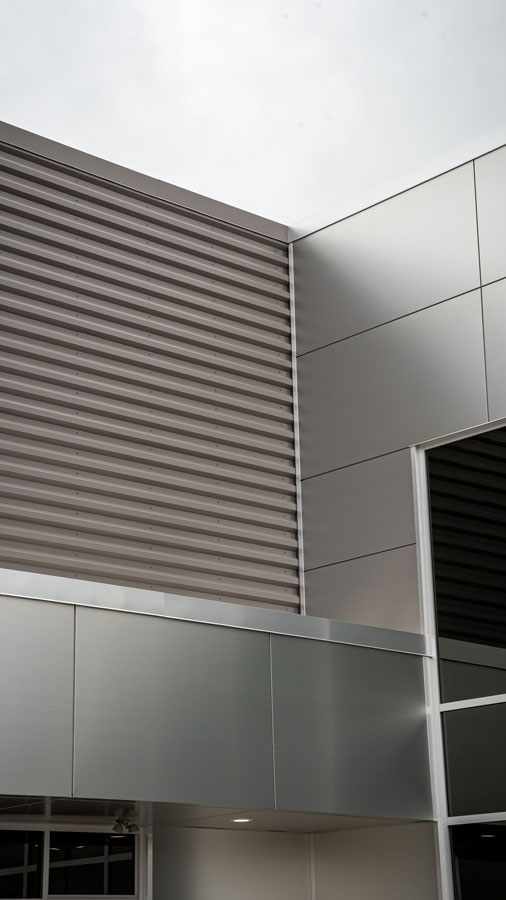
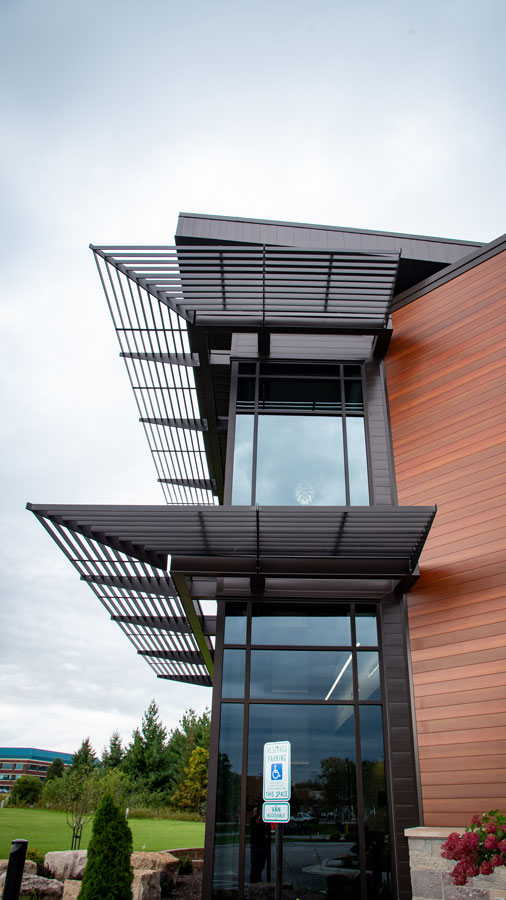
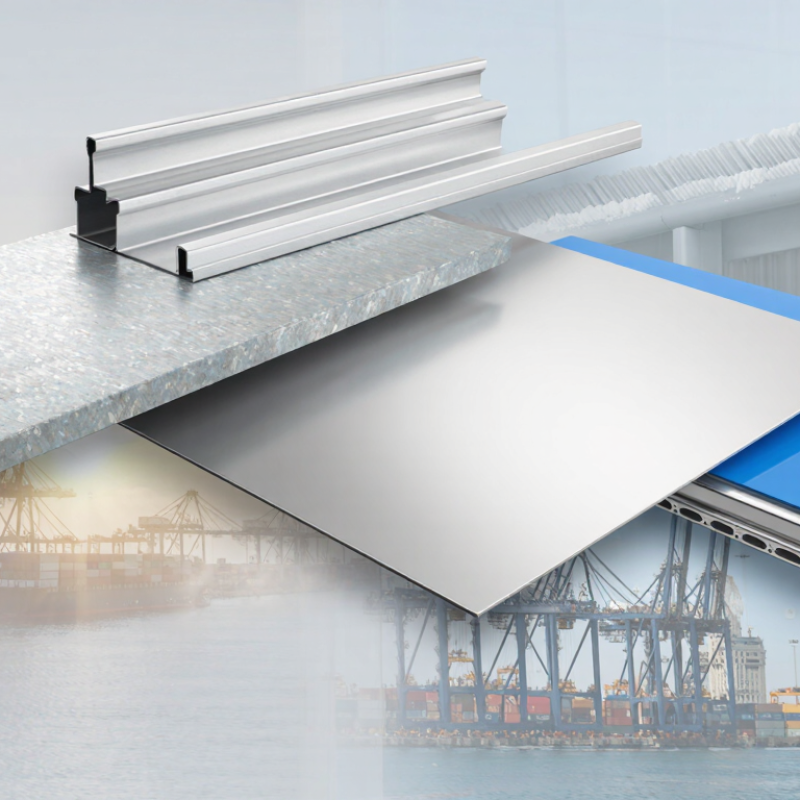
Global buyers in 2026 are choosing sheet metal panels by application, not appearance alone. Galvanized steel suits warehouses, farm buildings, and logistics walls where impact resistance matters. Its zinc coating needs careful cutting and edge protection in humid regions. Aluminum panels reduce dead load on high-rise façades and transportable structures. They resist coastal corrosion well, but softer surfaces can dent during installation.
Stainless steel serves hospitals, commercial kitchens, and transit areas requiring frequent cleaning. It costs more. Yet maintenance can be simpler. Perforated panels manage airflow and solar glare around equipment enclosures. Insulated sandwich panels support cold storage, workshops, and energy-conscious retail buildings. Core selection affects fire performance, thermal movement, and acoustic comfort. No panel is universally best. A catalog recommendation can still miss local wind, dust, or installation habits.
Tips: Ask suppliers for coating thickness, material grade, fire documentation, and salt-spray data. Request sample panels, then test fastening with local tools. A finish that looks perfect indoors may fail beside windblown sand. Review drainage, expansion gaps, and replacement access before approving drawings. Do not rely on a catalog image. In practice, small details decide panel life.
Key Performance Standards for Global Sheet Metal Buyers
For global buyers, the best sheet metal panels in 2026 will be judged by performance, not appearance alone. Buyers should check steel or aluminum grade, panel thickness, flatness, and dimensional tolerance. A panel may look flawless under showroom lights but fail after repeated thermal movement. Verify the coating system, adhesion, color stability, and corrosion resistance through documented test results. Request reports from qualified laboratories, not only supplier claims.
Climate changes the buying decision. Coastal projects need stronger resistance to salt exposure, while cold regions require reliable impact performance and stable sealants. Fire behavior, wind-load capacity, drainage design, and fastening strength also deserve careful review. Ask whether results match the exact panel structure, because testing one sample cannot represent every production batch. Traceability matters. Batch numbers, inspection records, and clear technical data improve confidence during installation and future maintenance.
Tips: Compare panels using the same test conditions and service environment. Ask for samples with edge details, joints, and fasteners included. A small sample often hides installation problems. I have seen buyers focus too heavily on price and overlook replacement costs. That approach can be expensive. Also, no panel is perfect; even strong specifications may leave gaps in acoustic performance, repairability, or recycled content. Recheck those points with engineers, installers, and local inspectors before approving a global purchase.
Comparing Steel, Aluminum, Zinc, and Composite Panels
What Are the 2026 Best Sheet Metal Panels for Global Buyers?
Comparing Steel, Aluminum, Zinc, and Composite Panels
Steel Panels
Steel panels remain a practical choice for warehouses, factories, and large commercial roofs. They offer strong impact resistance and predictable pricing. However, exposed cut edges need careful protection, especially near saltwater. I have seen small edge defects become visible rust lines after one wet season. Coating thickness, fastener compatibility, and local corrosion data deserve close inspection.
Aluminum and Zinc Panels
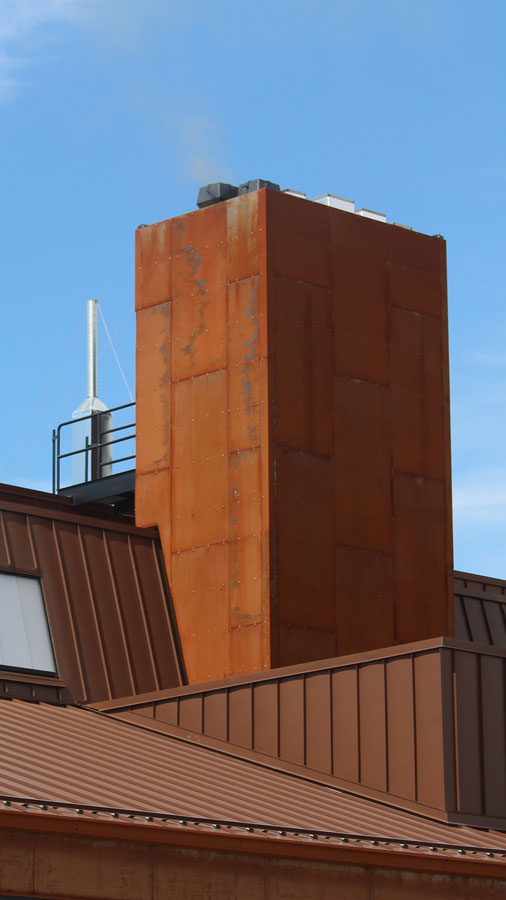
Aluminum panels reduce structural weight and simplify rooftop handling. They suit coastal buildings, transport facilities, and projects where lifting capacity is limited. Their softer surface can dent during loading or installation. Zinc develops a natural patina and can provide a distinctive architectural finish. Yet, buyers should check runoff details, nearby materials, and regional supply times. Zinc is not always the easy premium option.
Composite Panels
Composite panels can combine insulation, clean surfaces, and fast installation. Their performance depends heavily on core type, joint design, and fire testing. A low-quality joint may admit moisture behind the facing layer. That risk is easy to underestimate. I would not choose any panel from appearance alone. Compare verified test reports, climate exposure, thermal movement, repair methods, and recycling routes. For global purchasing, confirm dimensions, packaging strength, customs documentation, and replacement availability before placing a large order.
Small details matter.
How to Evaluate Suppliers, Certifications, and Production Quality
The best 2026 sheet metal panel is not simply the cheapest or thickest option. It matches climate, load, corrosion exposure, and installation practice. The World Steel Association reported approximately 1.88 billion tonnes of crude steel production in 2024. That scale creates choice, but also uneven supplier quality. Buyers should request the steel grade, nominal thickness, coating mass, tensile strength, and dimensional tolerances before comparing prices.
Supplier evaluation should begin with evidence, not polished brochures. Check whether ISO 9001 certification covers the actual panel factory and remains valid. The ISO Survey 2023 recorded more than 1.2 million ISO 9001 certificates worldwide, so certification alone proves little. Ask for recent mill test certificates, heat-number traceability, calibration records, and independent inspection results. Confirm standards such as ASTM A653 or EN 10346 when galvanized steel is specified. Local building requirements may still differ.
Production quality becomes visible through small details. Inspect coil edges for burrs, coating scratches, oil stains, and uneven profiles. Request samples from different production dates, not one carefully selected panel. Measure thickness with a calibrated gauge and examine cut edges after forming. A salt-spray result can support corrosion claims, but it cannot fully predict a coastal building’s service life. No checklist is perfect. Even experienced buyers can overvalue certificates and overlook packaging, transport damage, or weak after-sales records. Supplier transparency matters more than impressive paperwork.
Selecting the Best Sheet Metal Panel for Each Market and Project
Selecting the best sheet metal panel begins with climate, not appearance. Coastal projects need strong corrosion resistance, sealed joints, and tested coating performance. Inland industrial buildings may prioritize abrasion resistance, fire performance, and easy replacement. ISO 12944 helps specifiers classify corrosive environments, from dry interiors to severe marine exposure. Location changes everything.
For roofing, wall cladding, and insulated façades, panel thickness must match wind loads, spans, handling, and local code requirements. A lightweight panel can reduce transport weight, but excessive thinness may increase denting and installation damage. The World Steel Association’s October 2024 outlook projected global steel demand growth in 2025. This supports careful material planning, especially where supply reliability remains uneven. Availability matters as much as specification.
Energy performance also differs by market. In hot regions, reflective finishes and continuous insulation can reduce cooling loads. In cold regions, thermal bridging and airtight interfaces deserve closer attention. The 2024 Global Status Report for Buildings and Construction reported that buildings consumed 32% of global energy and produced 34% of global carbon emissions in 2022. Therefore, buyers should compare service life, maintenance, recycled content, and replacement risks. A lower purchase price can become expensive later. That assumption is not always correct. Project teams should request coating test results, fire classifications, structural data, and installation guidance before approval. Even experienced buyers sometimes overlook fasteners. That small detail can decide panel performance.
Related Posts
-
How to Source Sheet Metal Panels Globally in 2026?
-
China Top Sheet Metal Roofing Manufacturers?
-
What Are the Top Types of Metal Panels?
-

What are the Top Sheet Metal Manufacturers in China?
-
2026 Best Corrugated Metal Roofing Options for Your Home or Business?
-

Best Stainless Steel Sheet Metal for Global Buyers?