
What Are the Top Types of Metal Panels?

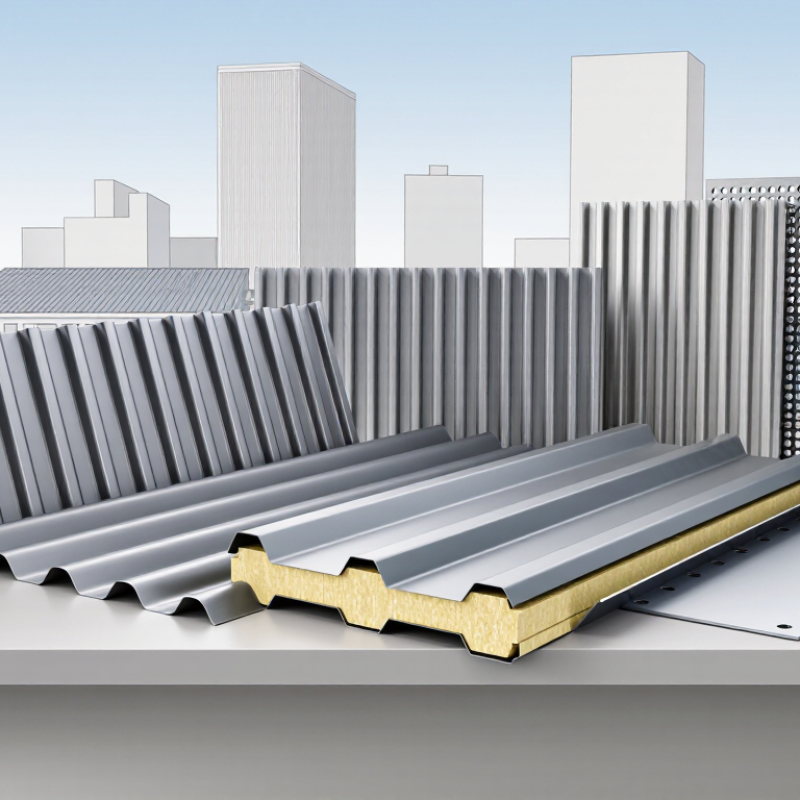
Metal panels can look similar from the ground, yet their profiles, connections, and core materials create very different results. Standing seam panels offer raised seams and concealed fasteners, while corrugated and ribbed panels show repeating ridges and often suit simpler wall or roof designs. Insulated metal panels combine metal faces with an insulating core. Flat plate and perforated panels serve distinct architectural purposes, from crisp façades to filtered light and airflow.

Metal-roofing consultant Rob Haddock’s practical approach can be paraphrased this way: “A panel performs as part of a complete system, not as a sheet in isolation.” This is a paraphrase, not a verbatim quotation. It points to details that are easy to overlook: substrate condition, fastening method, joint design, coating, and exposure to wind or moisture. A glossy sample cannot answer every question.

The right metal panel depends on the building’s purpose, climate, budget, and installation conditions. For example, a standing seam roof may conceal fasteners, while a ribbed wall panel makes its profile part of the visual design. Insulated panels can help manage heat transfer, but their joints and core specifications matter. Perforated panels create texture and ventilation, though they are not a substitute for a weather barrier.

There is no universal winner. That can be frustrating. This guide compares common panel types and explains where each tends to fit, what to check in product specifications, and which trade-offs deserve a closer look before selection.
What Are the Top Types of Metal Panels?

How Metal Panels Are Classified by Material and Construction

What Are the Top Types of Metal Panels?

Metal panels are commonly classified by the metal they use and the way they are built. Material affects weight, corrosion resistance, thermal movement, and maintenance. Steel panels are strong and widely used; protective coatings help limit rust, especially at cut edges and fastener holes. Aluminum is lighter and naturally resists corrosion, though it can dent more easily. Zinc and copper develop changing surface finishes over time. The best choice depends on the building and its exposure.

Construction creates another useful classification. Single-skin panels are formed from one metal sheet and often use corrugated or ribbed profiles for stiffness. Insulated metal panels sandwich a rigid core between metal facings, combining enclosure and insulation in one assembly. Composite panels also pair metal faces with a core, but their construction and intended performance vary. Details matter. Panel names are not always used consistently across the industry.

Attachment and seam design further distinguish panel types. Standing-seam systems conceal many fasteners beneath raised joints, while exposed-fastener panels show screws along their ribs or flats. Concealed fasteners can reduce direct water entry, but correct flashing and installation remain essential. A low-profile panel may suit a sheltered wall, while a deeply ribbed profile can help manage water on a roof. Check span limits, local loads, coatings, and condensation control before selecting a system.

Sometimes the categories overlap. That deserves a closer look.

Steel Panels: Strength, Coatings, and Common Forms

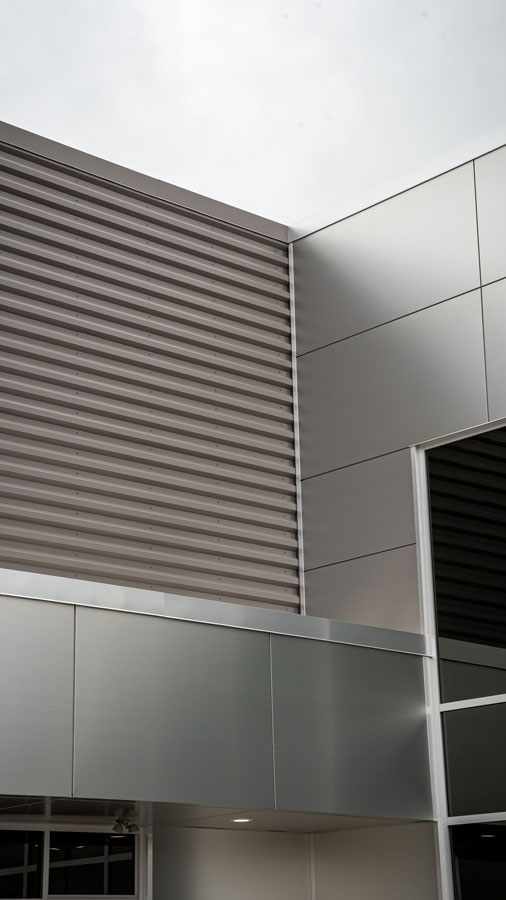
Steel panels combine a strong substrate with profiles that add stiffness. Common forms include standing-seam, exposed-fastener, and corrugated panels. Standing seams conceal most fasteners beneath raised ribs; exposed-fastener panels show screw heads and washers. Corrugated profiles create repeating curves that help resist bending. The best choice depends on span, wind exposure, appearance, and installation quality.

Coatings help protect steel from corrosion. Galvanized panels carry a zinc layer, while zinc-aluminum coatings and factory-applied paint systems offer other protection options. GalvInfo Center’s technical note on galvanized sheet lists G90 as 0.90 ounces of zinc per square foot across both surfaces, about 275 grams per square metre. That number describes coating mass, not a guaranteed service life. Details matter.

Panel thickness, cut edges, fasteners, and drainage all affect real-world performance. A damaged edge can rust even when the broad panel face remains intact. I would not treat a heavier coating as a cure-all; poor detailing can still invite corrosion. For a project specification, check the coating designation, base-metal thickness, and manufacturer-independent test requirements together. A shiny finish is not the whole story.

Top Types of Metal Panels: Steel Panels—Strength, Coatings, and Common Forms
Panel Type Common Form Strength and Performance Common Coatings or Finishes Typical Uses
Standing-Seam Steel Long panels with raised, interlocking seams Seams help shed water; concealed fasteners reduce direct exposure to weather. Performance depends on panel design, installation, and structural support. Metallic zinc or zinc-aluminum alloy coatings; optional factory-applied painted finish Roofs on homes, commercial buildings, and other structures
Corrugated Steel Panels with repeating rounded or angular waves Ribbed profiles add stiffness compared with a flat sheet of similar thickness. Fasteners and overlaps require appropriate weather detailing. Galvanized or zinc-aluminum alloy-coated steel; painted finishes are also available Roofing, wall cladding, agricultural buildings, and utility structures
Trapezoidal-Rib Steel Panels with broad, flat pans and raised trapezoidal ribs Ribs provide structural stiffness; load capacity varies with steel thickness, rib geometry, support spacing, and design conditions. Metallic corrosion-resistant coating, with or without a painted topcoat Industrial and commercial roofs, walls, and building envelopes
Insulated Metal Panels Two steel facings bonded to an insulating core Factory-assembled panels combine cladding and insulation. Structural capacity and thermal performance depend on panel construction and installation. Painted or metallic-coated steel facings; core materials vary by product Temperature-controlled buildings, warehouses, and commercial wall or roof systems
Flat or Flush Steel Panels Flat sheets or panels with concealed attachment systems Flat surfaces have less profile-based stiffness than ribbed panels; backing, stiffeners, or support spacing may be needed for the intended application. Galvanized or zinc-aluminum alloy-coated steel; painted finishes are common Architectural façades, soffits, interior walls, and trim applications
Galvanized Steel Panels Available in corrugated, ribbed, and flat profiles Steel provides the structural substrate, while the zinc coating helps protect against corrosion. Edges, scratches, and exposure conditions affect service life. Hot-dip zinc coating; may also receive a paint or other finish coat Roofing, siding, enclosures, and general building components

Aluminum Panels: Lightweight Options for Diverse Uses

Aluminum panels suit projects where weight matters as much as appearance. The Aluminum Association’s Aluminum Design Manual lists aluminum’s density at about 2.7 g/cm³, roughly one-third that of common structural steel. That lower mass can ease handling and reduce loads on supporting frames. A crew lifting a panel onto a canopy may notice the difference immediately. Less weight helps, but it does not make every installation simple.

The International Aluminium Institute’s 2024 Global Aluminium Cycle report estimates that about 75% of all aluminum ever produced remains in use. This industry-wide figure reflects aluminum’s long service life and recycling value; it does not guarantee that a particular panel will be recycled. Panel coatings, fasteners, and local collection systems all affect what happens at end of life. The detail matters.

For façades, soffits, and interior partitions, aluminum panels offer corrosion resistance and can be formed into flat, ribbed, or curved profiles. Specify alloy, thickness, finish, and support spacing for the actual exposure and wind loads. Thin panels may dent under impact, and dark finishes can heat up in direct sun. I still see weight treated as the whole answer. It isn’t. A sample panel tested on the real substrate can reveal problems that a material data sheet misses.

Copper, Zinc, and Other Specialty Metal Panels

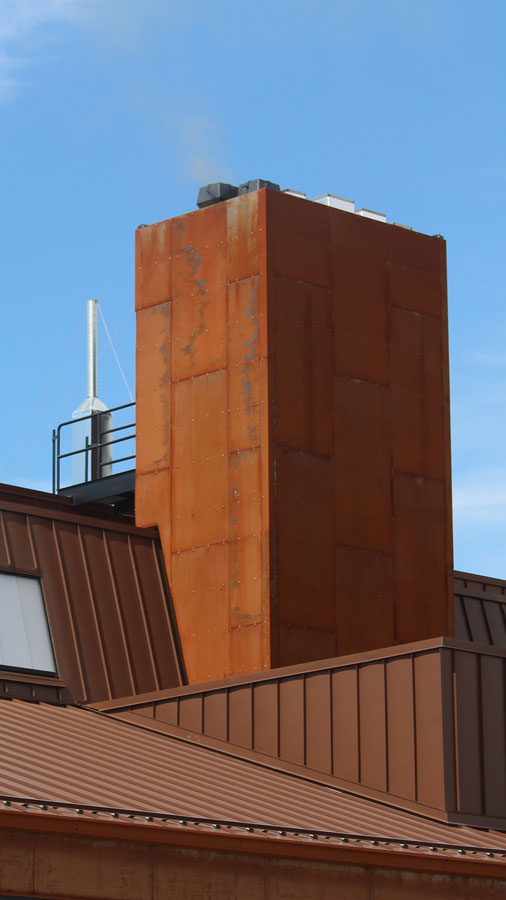
Copper panels develop a brown patina, then often shift toward green as the surface reacts with weather. This change is not a coating failure; it is part of copper’s natural aging. The Copper Development Association’s Copper in Architecture guidance describes copper roofing as capable of service lives exceeding 100 years when properly designed and installed. That figure is a reference, not a promise. Salt exposure, trapped moisture, and incompatible runoff can shorten performance. Copper also moves heat efficiently, so installers must allow for expansion at seams and clips. Small details matter.

Zinc offers a quieter, matte finish and forms a protective surface layer as it weathers. The International Zinc Association’s building-material guidance gives zinc roofing a potential service life of roughly 80 to 100 years, depending on design and exposure. Stainless steel suits sharper, clean-lined facades, while titanium and weathering steel serve more specialized visual or structural goals. Each has trade-offs. Stainless steel can show fingerprints; weathering steel needs careful drainage so rusty runoff does not stain nearby stone. A panel sample may look calm indoors, then change dramatically under rain and sun. That part deserves more thought than it often gets.

How to Compare Metal Panel Types for Different Projects

Compare panels by the job they must perform, not appearance alone. Standing-seam panels hide fasteners and accommodate movement, making them a strong choice for exposed roofs where leak control matters. Exposed-fastener panels often cost less and install quickly, but their washers and fasteners need periodic inspection. Insulated metal panels combine exterior skins with a factory-made core, helping projects that need rapid enclosure and continuous insulation. Details still matter: confirm slope, span, wind loads, corrosion exposure, and connection design before specifying any system.

Energy performance deserves attention. The 2023 Global Status Report for Buildings and Construction attributes 37% of energy- and process-related carbon dioxide emissions to the sector, underscoring the value of efficient envelopes. For sun-exposed roofs, the U.S. Department of Energy notes that cool roofs can stay up to 50°F cooler than conventional roofs in sunny conditions. That figure describes roof-surface temperature, not indoor savings; climate, insulation, and ventilation also affect results. A lighter finish may help, but it is not a cure-all.

Tips: Request tested assembly data, not just a panel sample. Check coating warranties against the project’s coastal or industrial exposure. On site, inspect cut edges and fastener seating. Small details can become expensive surprises.