
Why Choose Architectural Sheet Metal for Your Project?
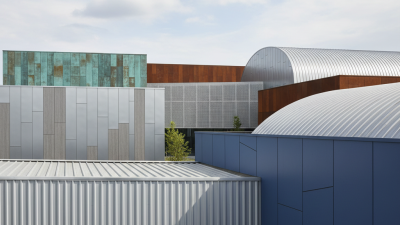
Choosing architectural sheet metal can shape a building’s appearance, durability, and long-term maintenance needs. It appears on roofs, wall panels, soffits, flashing, gutters, and carefully folded façade details. With the right specification, architectural sheet metal can create crisp lines while protecting vulnerable edges from rain and wind.
Experienced contractors know that performance begins before fabrication. Designers must consider the building’s location, drainage, thermal movement, substrate, and local weather patterns. Aluminum may suit lightweight façades, while copper, zinc, or coated steel can offer different visual and service advantages. Every material has limits. That matters.
A successful project also depends on accurate measurements and skilled installation. A small error around a window opening can direct water behind a panel. Poorly planned joints may stain, buckle, or separate over time. Qualified fabricators typically review drawings, finishes, fasteners, and expansion details before production. This practical coordination reduces surprises on site.
Still, architectural sheet metal is not a universal solution. It can cost more than basic cladding, and premium finishes may require careful handling. Some projects also underestimate cleaning, access, or future repairs. That mistake is avoidable. A reliable decision balances appearance, budget, climate, maintenance, and expected service life. When these factors are reviewed honestly, architectural sheet metal becomes more than a decorative choice. It becomes a measured building investment.
What Architectural Sheet Metal Is and How It Is Made
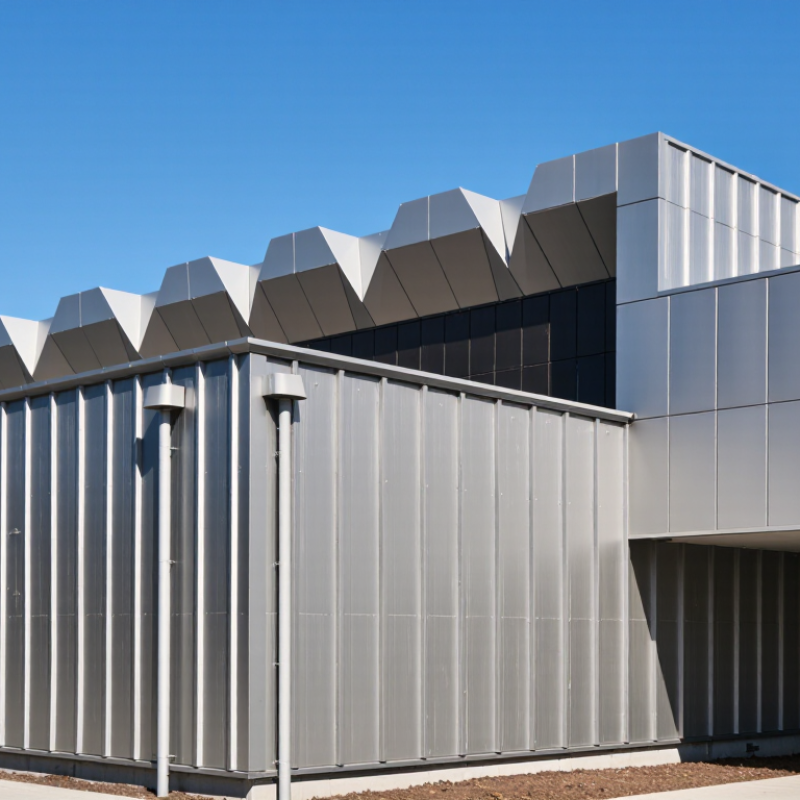
Architectural sheet metal is shaped metal designed for visible and functional building details. It appears on façades, roofs, wall panels, flashings, soffits, and column covers. Unlike basic construction metal, it must perform well and look intentional. Common materials include aluminum, galvanized steel, stainless steel, copper, and zinc. Each option reacts differently to moisture, heat, movement, and handling. Material selection depends on the building’s location, design, budget, and maintenance needs. A thin panel may reduce weight, while a heavier gauge can improve rigidity and impact resistance.
The process starts with large metal coils or flat sheets. Technicians cut them into precise blanks using shears, lasers, or CNC equipment. Press brakes then bend the pieces into angles, pans, channels, or custom profiles. Roll forming creates long, consistent sections for repeated applications. Edges may be hemmed for safety and strength. Joints can use standing seams, interlocking folds, rivets, or concealed fasteners. Protective finishes, such as paint or anodizing, are applied when appearance and corrosion resistance matter.
Small errors can become visible quickly. A slight measuring mistake may create uneven reveals or difficult joints. Experienced fabricators check drawings, grain direction, tolerances, and site conditions before production. Installation also requires room for thermal movement. Metalwork is not perfectly predictable. Weather, substrate conditions, and transportation can change the final result. Careful inspection at each stage keeps the finished surface aligned, durable, and easier to maintain.
Key Materials and Performance Characteristics
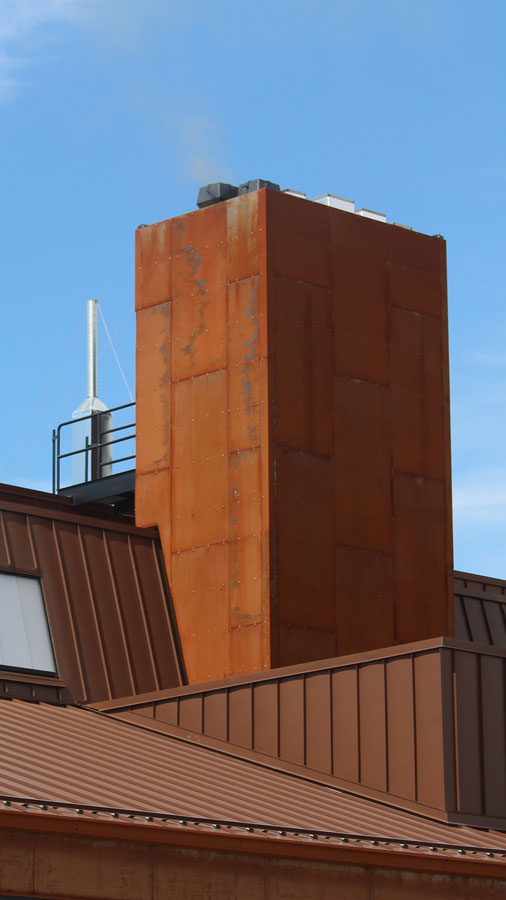
Architectural sheet metal performs best when its material suits the building’s exposure and detailing. Galvanized steel offers strength and a protective zinc coating, while aluminum is lighter and naturally resists corrosion. Copper and zinc develop changing surface patinas; stainless steel can suit demanding environments, though grade and finish matter. No material is ideal everywhere.
On a coastal project, salt-laden air can accelerate corrosion, so specify suitable alloys, coatings, and compatible fasteners. In colder regions, consider snow loads and water paths at seams.
Metal expands and contracts with temperature changes; long panels need detailing that allows movement without stressing joints. Small things matter. A blocked drainage channel or poorly isolated dissimilar metals can shorten service life.
Thickness, finish, support spacing, and installation quality all affect performance. Check manufacturer data against the actual site conditions, and review details with a qualified design professional.
I have seen specifications focus heavily on appearance, then give little attention to maintenance access. That deserves a second look. Surface wear, scratches, and weathering can also vary, even across panels from the same production run.
Common Uses in Building Design and Construction
Architectural sheet metal appears wherever buildings need durable, shaped protection. Roof panels are a familiar example. They shed rain, snow, and debris while creating clean, precise lines. Standing-seam systems also suit modern homes, offices, and public buildings. Their raised joints reduce visible fasteners. However, poor detailing can still cause leaks.
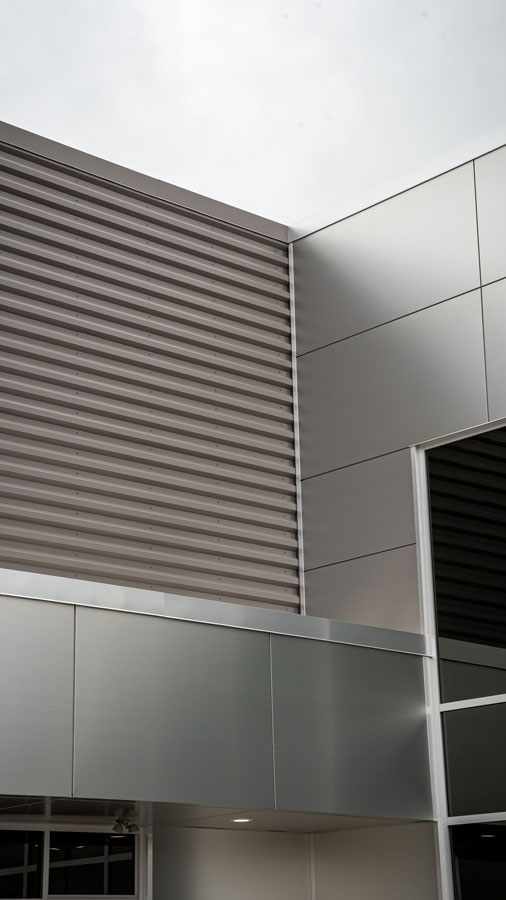
Wall cladding is another common use. Large metal panels protect exterior walls from wind and moisture. They can cover insulation layers and support ventilated façade designs. Around windows and doors, sheet metal forms flashings, sills, and drip edges. These small components matter greatly. A few millimeters of error may direct water into the wall assembly.
Inside buildings, fabricated metal serves practical and visual roles. It forms suspended ceilings, column covers, stair elements, and decorative screens. Mechanical systems depend on sheet metal ducts to move conditioned air efficiently. Gutters, downspouts, copings, and parapet caps complete many commercial roof assemblies. In restoration work, craftspeople may reproduce historic profiles by hand, using measured folds and carefully matched finishes. Material selection must consider coastal salt, temperature changes, fire requirements, and local building codes. Steel can provide strength, while aluminum reduces weight. Copper develops a changing surface, but it may not suit every surrounding material. Sheet metal is not a universal fix. Design teams sometimes prioritize appearance and underestimate expansion, noise, or maintenance access. Clear shop drawings and experienced installation help prevent those costly oversights.
Benefits for Durability, Efficiency, and Aesthetics
Architectural sheet metal earns its place through dependable performance in demanding conditions. Properly selected and installed, metal panels can resist rain, wind, and repeated temperature changes for decades. Their strength helps protect roof edges, façades, and drainage details from damage. Seams and flashing matter, though. A poorly fitted joint can undermine even a durable panel.
Efficiency comes from both material choice and careful detailing. Reflective finishes may reduce heat absorption, depending on climate, insulation, and roof design. Lightweight sheets can also limit structural demands compared with some heavier cladding options. On a rainy day, well-shaped gutters and downspouts move water away from walls and foundations. Small details count.
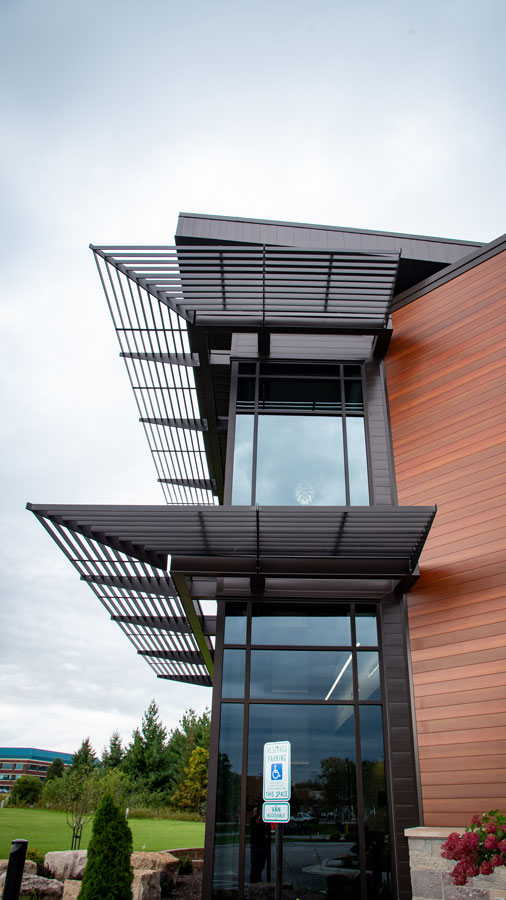
Appearance is just as practical. Metal can be formed into crisp fascia lines, subtle wall profiles, or standing seams that add rhythm to a façade. Finishes range from muted matte tones to brighter colors, helping designers coordinate with brick, glass, or timber. The result can feel clean without looking cold. Still, samples can appear different in changing light, so reviewing them on site is worthwhile. There is no perfect finish for every building, and maintenance needs should be discussed before installation.
| Project consideration | Relevant data or established fact | Potential project benefit | Important qualification |
|---|---|---|---|
| Long service life | Well-designed metal roofing systems can last for decades. Actual service life varies with the metal, coating, installation quality, maintenance, and exposure conditions. | May reduce the frequency of roof replacement compared with shorter-lived roofing options. | Choose materials and finishes suited to local moisture, pollution, salt exposure, and temperature conditions. |
| Weather resistance | Metal panels and flashings can be formed into continuous or interlocking assemblies that direct rainwater toward drainage points. | Carefully detailed roofs, walls, gutters, and flashings can help manage wind-driven rain and protect vulnerable joints. | Performance depends on the complete assembly, including seams, fasteners, underlayment, drainage, and installation. |
| Energy performance | Solar reflectance and thermal emittance are properties of the exposed roof surface. Reflective finishes can reduce solar heat gain under suitable conditions. | A high-reflectance roof may help reduce cooling demand, particularly in air-conditioned buildings in warm climates. | Metal itself is not insulation. Results depend on finish, climate, roof design, insulation, ventilation, and building use. |
| Recyclability | Steel and aluminum are widely recycled materials, and metal building products can often be recovered at the end of a building’s service life. | Recyclable content and end-of-life recovery may support project materials and waste-management goals. | Actual recovery depends on local collection and recycling facilities, product composition, and separation practices. |
| Design flexibility | Sheet metal can be cut, folded, seamed, and formed into panels, flashings, coping, trim, and custom architectural details. | Supports coordinated roof and façade details, including curved forms, crisp edges, and concealed drainage solutions. | Complex shapes require suitable detailing, fabrication tolerances, and experienced installation. |
| Range of finishes | Architectural metal is available in different alloys, surface textures, colors, and coating systems. | Allows designers to coordinate the exterior with the building’s overall material palette and visual character. | Color retention and finish durability vary by material, coating system, exposure, and maintenance. |
| Low structural weight | Many sheet-metal cladding and roofing products are relatively lightweight compared with heavier exterior materials. | Can reduce added dead load and may be useful for renovations or projects with structural constraints. | Confirm the complete assembly weight and structural capacity; snow, wind, equipment, and support requirements still apply. |
| Maintenance planning | Metal assemblies generally benefit from periodic inspection of seams, fasteners, coatings, sealants, and drainage paths. | Routine inspection can help identify minor issues before they lead to more extensive repairs. | Inspection frequency should reflect the material, building use, exposure, and manufacturer or project specifications. |
| Sources and verification | Useful references include the U.S. Department of Energy’s guidance on cool roofs, the Cool Roof Rating Council’s rated product directory, and the Metal Construction Association’s technical resources. | Project teams can use published guidance and product-specific documentation to compare performance claims. | Verify product data, applicable codes, warranties, and assembly requirements for the specific project and location. |
Factors to Consider When Choosing Sheet Metal for a Project
Why Choose Architectural Sheet Metal for Your Project?
Factors to Consider When Choosing Sheet Metal for a Project
Start with the building’s conditions, not just the metal’s appearance. A roof near the coast may face salt spray, while an urban façade can collect soot and rainwater. These details affect corrosion resistance, finish, and maintenance needs. Ask how water will drain and where panels may expand or contract. Small gaps matter.
Material choice also depends on load, shape, and installation. Aluminum is light and easy to form, but it can dent under impact. Stainless steel offers strength and corrosion resistance, though it may cost more and weigh more. Copper develops a changing surface patina, which some projects welcome and others do not.
Check the panel thickness, support spacing, and fastening method against the project’s drawings. A beautiful sample is not the whole story.
Think about the people who will install and maintain the system. Complex folds may need experienced fabricators, and tight site access can slow handling. Ask for finish samples in outdoor light; indoor lighting can be misleading. I’ve seen a color that looked warm in a showroom appear much cooler against brick. That mismatch is easy to miss. Also review cleaning requirements and replacement access before approving details. A practical choice may not be the most dramatic one.
Related Posts
-
Top 10 Sheet Metal Panels for Global Buyers to Consider?
-
How to Choose the Best Sheet Metal Panels for Your Projects?
-
Top 10 Tips for Choosing Metal Wall Panels for Your Project?
-

How to Source Sheet Metal Panels Globally in 2026?
-
10 Best Metal Panel Options for Your Next Project?
-
2026 Best Stainless Steel Wall Panels for Global Buyers?