How to Choose the Best Sheet Metal Panels for Your Projects?
When embarking on a project involving sheet metal panels, it’s essential to make informed decisions. These panels play a crucial role in various applications, from construction to manufacturing. Selecting the right type can impact durability, insulation, and aesthetics.
Understanding your project requirements is key. Different materials offer unique advantages. For example, aluminum is lightweight but may lack strength. Steel, on the other hand, provides durability but can be heavier. Knowing the balance between cost and quality is vital.
Furthermore, consider the environmental factors your panels will face. Exposure to water, chemicals, or extreme temperatures can affect longevity. It's also important to reflect on your installation capabilities and long-term maintenance needs. Making the right choice in sheet metal panels will ensure project success and longevity.
Types of Sheet Metal Panels and Their Applications
When selecting sheet metal panels, understanding their types and applications is crucial. There are various types of sheet metal panels available. Each type serves different purposes. For instance, galvanized panels offer corrosion resistance, making them ideal for outdoor structures.
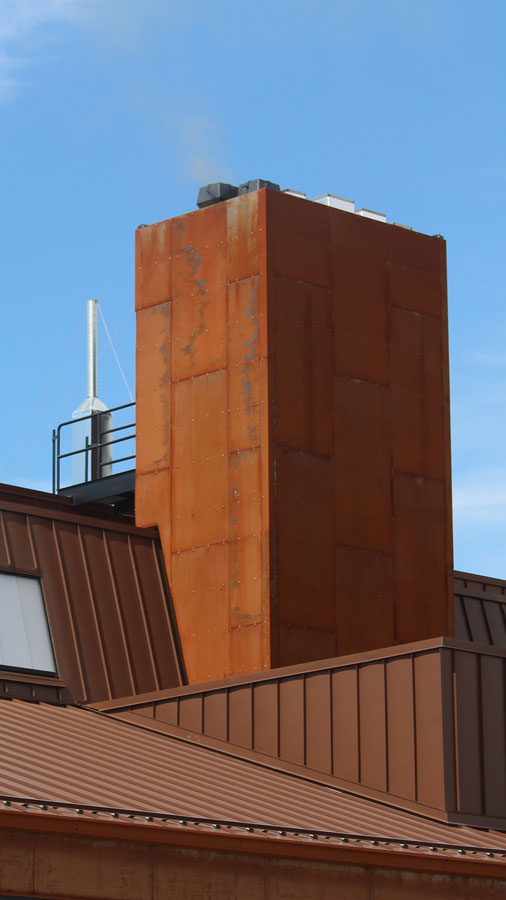
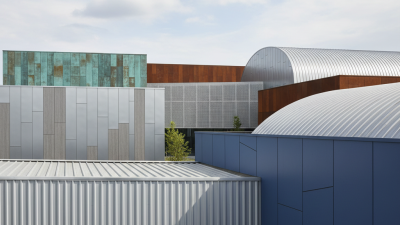
Metal roofing panels, often used in residential and commercial buildings, are designed to withstand heavy weather. They provide durability and aesthetic appeal.
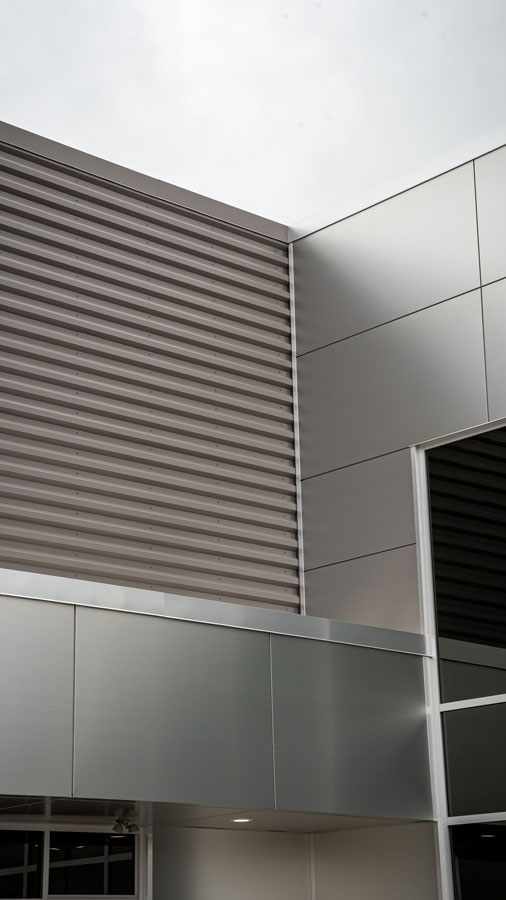
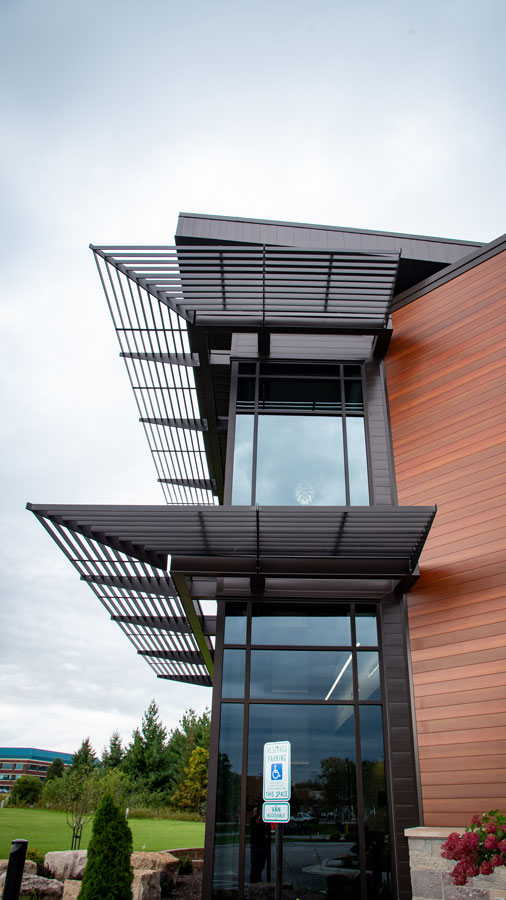
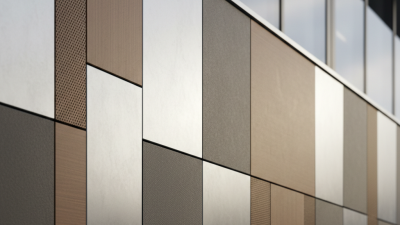
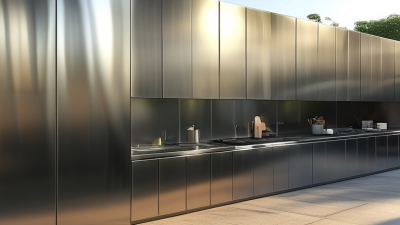
Another commonly used type is aluminum panels. Lightweight yet strong, they are often found in architectural applications. They can be easily manipulated to create unique designs. On the other hand, stainless steel panels are known for their strength and resistance to rust. This makes them a perfect choice for kitchens and laboratories, where hygiene is paramount.
Choosing the right panel involves careful consideration. Each application's specific requirements can lead to unintentional oversights. For example, neglecting insulation needs may result in increased energy costs for buildings. It is essential to consult with experts to align material choices with project goals. Balancing aesthetics, functionality, and durability is key to a successful project.
Factors to Consider When Selecting Sheet Metal Panels
Choosing the right sheet metal panels for a project involves careful consideration of several key factors.
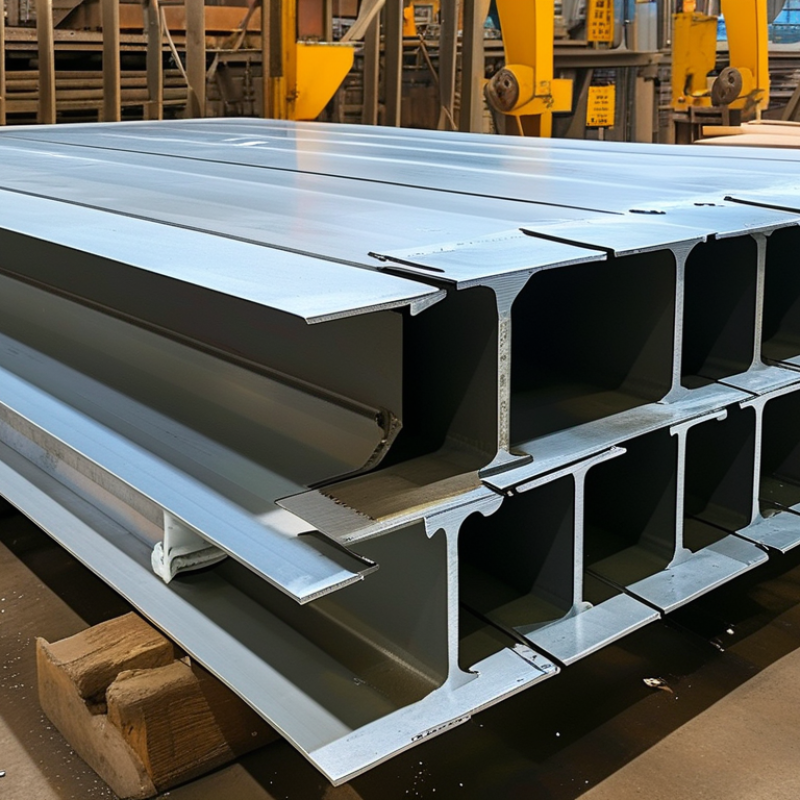
One significant factor is the thickness of the panels. Sheet metal thickness is measured in gauges.
According to the Metal Construction Association, using a thicker gauge can enhance durability but may increase costs.
Even a difference of one gauge can affect structural integrity.
Material type is another critical consideration. Common options include aluminum, stainless steel, and galvanized steel.
Each material offers different properties. For instance, aluminum is lightweight and resistant to corrosion,
while stainless steel provides superior strength. The choice of material should be driven by the specific requirements
of the project, such as exposure to environmental elements.
Surface treatment also plays a vital role in longevity and appearance. Coatings can affect aesthetics and performance.
Reports indicate that powder coating can significantly improve corrosion resistance by up to 50%.
Research suggests that understanding the environment in which the panels will be used is essential.
Projects in coastal areas may require more robust treatments than those in less harsh climates.
Selecting the right combination of thickness, material, and surface treatment can ultimately impact
project success and cost-effectiveness.
Material Options for Sheet Metal: Aluminum vs. Steel vs. Other Metals
When selecting sheet metal panels for your projects, it's crucial to evaluate the materials. Aluminum, steel, and other metals each have unique properties that can affect performance and durability. Aluminum is lightweight and resistant to corrosion, making it ideal for outdoor applications. Steel, on the other hand, is strong and offers excellent structural integrity. However, it is more prone to rust if not adequately treated. Other metals, like copper and zinc, can provide aesthetic appeal but may lack in certain practical aspects.
Consider the environmental conditions where the panels will be used. Will they face moisture or extreme temperatures? Understanding these factors can guide you toward the best material choice. Sometimes, combining metals can yield optimal results. For instance, using an aluminum core with a steel shell can offer both weight savings and strength.
Finding the right balance between cost and performance is essential. While aluminum may be more expensive upfront, its longevity can save money in the long run. Reflect on the intended use and aesthetic requirements of your project. Don't hesitate to consult experts or manufacturers to gather insights on performance and compatibility. Testing samples before finalizing your selection can help ensure your choice meets practical needs.
Evaluating the Durability and Strength of Sheet Metal Panels
When evaluating the durability and strength of sheet metal panels, there are several factors to consider. The type of metal used significantly impacts the overall performance. For instance, galvanized steel is known for its corrosion resistance, making it suitable for outdoor applications. According to industry data, metals like aluminum can withstand high stress while remaining lightweight. This property is crucial in construction and automotive projects.
Tensile strength is a vital metric in assessing sheet metal panels. ASTM International, a leading standards organization, specifies standard tests for tensile strength. For example, stainless steel typically boasts a tensile strength range of 500 to 600 MPa. This strength ensures that the metal can endure various loads without deforming. However, with increased strength, some metals may become more challenging to work with.
Another critical aspect is the thickness of the panels. Thicker panels generally provide better durability but can add weight. Reports indicate that panels as thick as 1.5 mm offer enhanced resilience without significantly increasing weight. Still, striking the right balance between thickness and weight capacity is essential for optimal performance. In some cases, choosing the wrong type or thickness can lead to failures under operational stresses, highlighting the need for careful evaluation.
Durability and Strength of Different Sheet Metal Panels
Tips for Installation and Maintenance of Sheet Metal Panels
When working with sheet metal panels, proper installation and maintenance are crucial. Take time to plan your project carefully. Ensure you have the right tools and safety gear. Safety should always be your first priority.
For installation, start with a clean and dry surface. This helps the panels adhere better. Use high-quality sealants to prevent leaks. Installing panels in dry weather can lead to better results. Pay attention to any manufacturer guidelines. They often include important details for effective installation.
Regular maintenance is essential for longevity. Check for rust spots or loose screws every few months. Addressing small issues promptly can prevent larger problems later. Clean the panels occasionally with mild soap and water. Avoid harsh chemicals that could damage the finish. Wearing gloves while cleaning can protect both your hands and the surface of the panels. These simple steps can help maintain the integrity of your metalwork over time.
How to Choose the Best Sheet Metal Panels for Your Projects? - Tips for Installation and Maintenance of Sheet Metal Panels
| Dimension |
Material Type |
Thickness (gauge) |
Coating Options |
Recommended Use |
| 4' x 8' |
Galvanized Steel |
20 gauge |
Polyester paint |
Roofing, Siding |
| 3' x 10' |
Aluminum |
22 gauge |
Anodized finish |
Exterior Walls |
| 2' x 4' |
Stainless Steel |
18 gauge |
Brushed finish |
Kitchen Applications |
| 5' x 10' |
Copper |
16 gauge |
Natural patina |
Artistic Projects |