





Top 10 New Label Materials Buyers Need to Know?
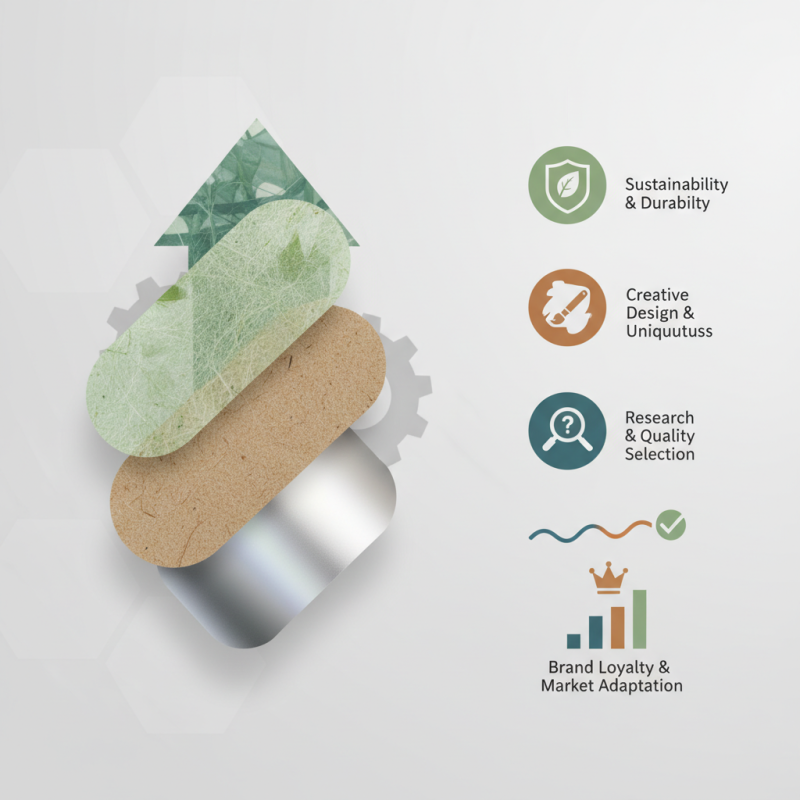
In today’s dynamic market, understanding "New Label Materials" is essential for businesses. As consumers demand unique packaging solutions, companies must adapt rapidly. New materials enhance durability and sustainability. They also allow for creative designs. For instance, biodegradable labels are becoming increasingly popular. They cater to eco-conscious consumers while reducing waste.
Choosing the right materials can be daunting. The rapid evolution of label technology presents both opportunities and challenges. Buyers must grasp the benefits and limitations of each option. Quality varies significantly across suppliers. Some materials may not meet all industry standards. Brands risk damaging their reputation through poor choices.
Investing time in research is vital. Engage with experts in the field for insights. Their experience can guide you toward effective solutions. Evaluate your product's needs carefully. What works for one application may fail for another. This exploration is not just about trends. It's about finding reliable, high-quality materials that foster brand loyalty in the long term.
Understanding Label Materials: An Overview for Buyers
When purchasing label materials, understanding the basics is crucial. Buyers often face numerous options, making the selection process daunting. Each material has unique properties, from adhesive strength to durability. Knowing what each type offers helps in making informed decisions.
For example, paper labels are versatile and cost-effective. They work well for short-term use or indoor applications. In contrast, film labels provide better water and tear resistance. This makes them suitable for outdoor or tough environments. Buyers should consider the application and lifespan of labels before making a choice.
It’s essential to recognize that not all label materials are created equal. Some may not adhere well to all surfaces, leading to issues down the line. Additionally, environmental considerations are important. Sustainable options are becoming increasingly available, but they might come with higher costs. Buyers need to weigh these factors carefully.
Top 10 New Label Materials Buyers Need to Know
| Material Type | Key Features | Applications | Environmental Impact |
|---|---|---|---|
| Polyester (PET) | Durable, tear-resistant, and waterproof | Food and beverage, electronics, and industrial labeling | Recyclable and energy-efficient |
| Paper | Eco-friendly, easy to print on, and cost-effective | Retail and promotional labeling | Biodegradable and sustainable |
| Vinyl | Flexible, weather-resistant, and durable | Outdoor signs, vehicle decals | Limited recycle options |
| Polypropylene (BOPP) | Lightweight, high clarity, and resistant to oils | Food packaging and labeling | Recyclable with appropriate facilities |
| Foil | Shiny appearance, barrier properties | Cosmetic and high-end food labels | Limited environmental options |
| Direct Thermal | No ink required, fast printing | Shipping labels and receipts | Not recyclable, special disposal needed |
| Laser and Inkjet | Customizable, rich colors | Custom labels for diverse applications | Usually not recyclable |
| Tear-Resistant | Increased durability and lifespan | Industrial and outdoor labeling | Recyclable options available |
| Synthetic Paper | Waterproof and tear-resistant | Product labels and tags | Biodegradable options available |
| Specialty Adhesives | Strong bonding, non-residue | Industrial and medical labeling | Varies by adhesive type |
Key Features of Popular Label Materials in 2023
When selecting label materials in 2023, buyers should prioritize durability. The right material can withstand various environments. Factors such as temperature fluctuations and exposure to moisture are crucial. Some materials offer water resistance, while others are designed for extreme heat or cold. This variety allows businesses to align their labels with specific use cases.
Another key feature is print compatibility. Buyers need materials that work well with their printing technology. Ink adhesion and clarity of print affect the visibility of important information. Some label materials provide a smooth surface for vibrant colors, while others focus on matte finishes for a more subdued look. Experimenting with different materials can reveal unexpected outcomes.
Sustainability continues to emerge as a priority. Eco-friendly labels align with growing consumer demand for responsible practices. Biodegradable options are becoming more popular. Buyers might explore recycled paper materials or plant-based alternatives. It's important to assess the lifecycle of materials. However, some eco-friendly options may compromise durability, prompting careful consideration of trade-offs.
Sustainability Trends in Label Material Selection
When considering label materials, sustainability is key. Many buyers are shifting focus to eco-friendly options. The rise of biodegradable and recyclable materials reflects a growing awareness. These choices can reduce environmental impact significantly.
Brands are now exploring alternative substrates like recycled paper and plant-based plastics. These materials not only minimize waste but also appeal to consumers seeking eco-conscious products. However, sourcing these materials can be challenging. Availability and cost still pose barriers for some businesses.
It's vital to weigh the benefits against potential drawbacks. Not all sustainable materials perform equally. Some may not provide the durability needed for certain applications, leading to longer-term waste. As the market evolves, continuous evaluation of material performance is necessary. Buyers must stay informed on trends while balancing sustainability with functionality.
Comparative Analysis of Label Materials: Durability and Costs
When selecting label materials, durability and cost are crucial factors for buyers. Various materials exhibit different levels of resistance to wear, moisture, and chemicals. For instance, polyesters are known for their strength, while paper generally offers lower durability. Buyers should weigh these characteristics against their budget.
Cost-effectiveness is vital. However, lower cost doesn’t always mean higher value. Sometimes, investing in durable materials can save money long-term by reducing replacement frequency. Additionally, unexpected failures in cheaper materials can lead to reputational damage or lost inventory.
Buyers often overlook real-world applications. Decisions based solely on lab tests might miss practical challenges like exposure to sunlight or handling. It’s important to gather feedback from real users or conduct field tests. Sometimes, it’s the lesser-known options that provide the best balance of durability and cost.
Top 10 New Label Materials Buyers Need to Know
Emerging Technologies in Label Printing and Materials
The label printing industry is experiencing transformative changes due to emerging technologies. Innovations such as digital printing and sustainable materials are at the forefront. According to a recent report by Smithers Pira, the digital label printing market is expected to grow by 14% annually. This rise reflects a significant shift toward efficiency and customization, allowing brands to cater to unique consumer demands.
Sustainable materials are becoming a priority. The pressure to reduce waste drives innovation in biodegradable and recyclable label substrates. A survey conducted by the Label Manufacturers Association shows that over 50% of consumers prefer brands using eco-friendly materials. This trend indicates a growing need for suppliers to adapt and invest in sustainable practices, aligning with market expectations.
However, challenges remain. The shift to digital and sustainable materials often involves high initial costs. Small businesses may struggle to adapt. Additionally, the technology in sustainable materials is still developing. Longevity and performance must improve for widespread adoption. Navigating these complexities requires a strategic effort to balance innovation with practical feasibility.


