Top 10 Lithium Battery Suppliers for Global Buyers
Lithium Batteries now sit at the center of electric transport, grid storage, and portable power. For global buyers, choosing a supplier involves more than comparing quoted prices. The International Energy Agency reported that electric-vehicle battery demand exceeded 750 GWh in 2023, around 40% higher than in 2022. It also estimated global battery manufacturing capacity at roughly 2.2 TWh that year. That scale creates opportunity, but it can make supplier claims harder to assess. Big numbers do not guarantee dependable delivery.
Price matters, too. BloombergNEF’s 2024 battery price survey put the global average lithium-ion pack price at $115 per kilowatt-hour. Yet a low quote can hide differences in cell chemistry, testing, warranty terms, or production consistency. Look closely. This guide introduces ten suppliers for buyers comparing manufacturing reach, product range, technical support, and supply-chain transparency. These are practical screening points, not a universal ranking: a company suited to a high-volume vehicle program may not fit a smaller stationary-storage project. Supplier capacity and market conditions also change, sometimes faster than published profiles. That is worth remembering. Buyers should verify current specifications, certifications, factory capacity, and references directly before making commitments. No single report can settle every question, and even established names deserve careful review.
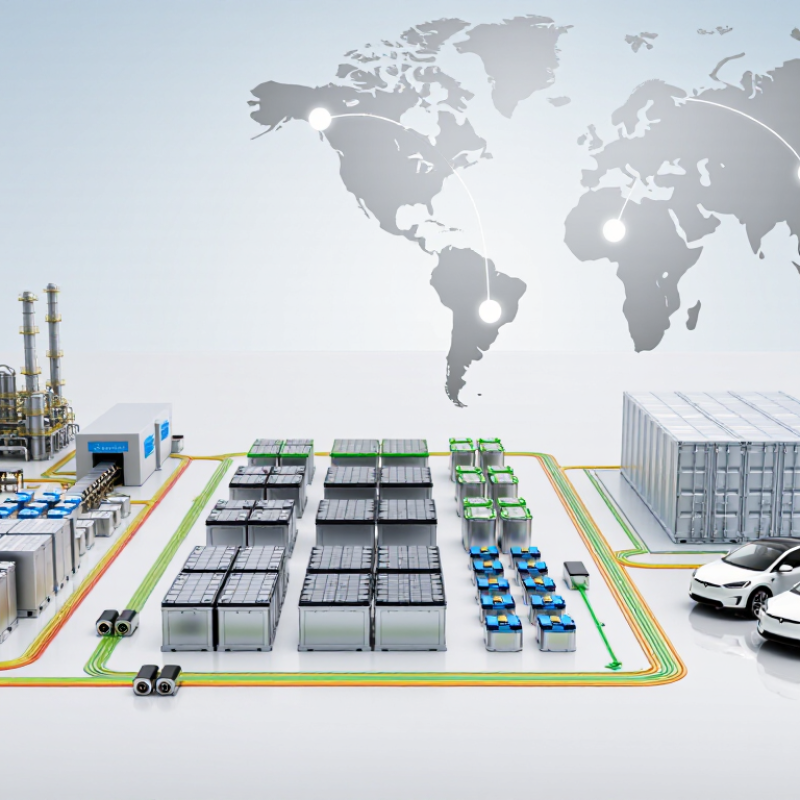
Lithium Battery Suppliers: Industry Scope and Product Categories
Top 10 Lithium Battery Suppliers for Global Buyers
Lithium Battery Suppliers: Industry Scope and Product Categories
The supplier landscape includes cell makers, pack integrators, and firms supplying battery management systems. Their products serve electric vehicles, energy storage, industrial equipment, and portable devices. The categories overlap, but they are not interchangeable. The International Energy Agency’s Global EV Outlook 2024 reports that electric-car battery demand reached about 750 GWh in 2023, around 40% above 2022. That growth makes clear product specifications essential.
Common chemistries include lithium iron phosphate and nickel-based lithium-ion cells. Suppliers also offer cylindrical, prismatic, and pouch formats, each with different packaging and thermal-management needs. A cell supplier may not provide a finished pack, enclosure, or control system. Buyers should compare usable capacity, cycle-life test conditions, operating temperature, and documented quality controls—not just quoted capacity. Still, specification sheets can leave important questions unanswered.
Tips: Ask for the exact cell chemistry and pack configuration, then check whether performance figures apply to the complete system. Fit matters. A compact prismatic pack may simplify installation, while a pouch design can require different mechanical support. Request test data for your intended operating conditions; generic ratings may not reflect real-world use.
How to Evaluate Suppliers for Global Procurement
Global buyers should evaluate lithium battery suppliers against the conditions in which the batteries will actually operate. Start with a written specification covering chemistry, voltage, capacity tolerance, cycle-life test conditions, operating temperature, and battery management system features. Ask how each value is tested, not just what appears on a product sheet. Details matter. Request sample test reports and confirm that reported results match the configuration you plan to purchase. A cell tested at room temperature may perform differently in a cold warehouse or hot vehicle.
Review quality controls and traceability before comparing prices. Ask whether the supplier can link a delivered batch to production records, inspection results, and component changes. Check applicable certifications for your destination markets, and verify their scope and validity with the issuing body. A remote audit can reveal useful details, such as how rejected cells are segregated, but it cannot show every shift or process. That limitation deserves attention. Also assess production capacity, delivery history, warranty handling, and the speed of technical support across time zones.
Tips: Order samples from the intended production line, then test them against your own load profile. Put change-notification rules, defect response times, and packaging requirements in writing. Test before scale. A polished presentation helps, but it is not evidence of consistent production.
Profiles of 10 Leading Lithium Battery Suppliers
A useful profile of ten lithium battery suppliers starts with their specialties, not a league table. Some focus on electric vehicles, where high output and consistent cell quality matter. Others build storage systems for homes and utility sites. Consumer-device suppliers prioritize compact cells and predictable production runs. Industrial suppliers serve forklifts, floor-cleaning machines, and warehouse equipment. Detail matters.
Other profiles include suppliers for telecom backup, marine applications, cold-weather equipment, and high-power tools. A tenth group designs custom battery packs, matching cells, wiring, and protective electronics to a buyer’s device. These categories overlap; a company may serve several markets. This grouping is imperfect, and supplier claims deserve careful checking.
For each candidate, buyers can review published test data, manufacturing capacity, warranty terms, and documented quality controls. Ask how a supplier handles batch traceability and what happens when a sample differs from a delivered pack. Request technical documents for the intended operating temperature, charge rate, and service life. A polished brochure is not enough. Compare like with like, and verify details directly.
Comparing Supplier Capabilities, Markets, and Technologies
Comparing the top lithium battery suppliers means looking beyond production volume. A capable supplier should explain its cell chemistry, usable capacity, cycle-life test conditions, and operating temperature range. These details help buyers judge whether a battery suits a delivery vehicle, a home storage system, or industrial equipment. Figures without test conditions are hard to compare. Details matter.
Supplier strengths vary by market. Some focus on high-volume cylindrical cells, while others offer prismatic or pouch formats for space-constrained designs. Buyers should check whether a supplier can support sample testing, pack integration, and steady production—not just provide a low quotation. Ask how capacity and safety performance are checked between production batches. Small differences in testing can affect real-world results.
Technology claims also deserve careful review. Lithium iron phosphate may suit applications that value long service life and thermal stability; nickel-rich chemistries can offer higher energy density, depending on design. Neither option is best for every project. Request technical data, traceability details, and references from comparable applications where possible. A supplier’s regional service coverage matters, too, especially when troubleshooting requires quick access to engineering support. No comparison is perfect; published specifications may not reflect every operating condition.
EV Battery Demand by Region, 2023
Regional demand highlights where lithium battery suppliers serve the largest electric-vehicle markets.
Values are approximate, in gigawatt-hours (GWh). Regional figures are rounded estimates based on the International Energy Agency’s Global EV Outlook 2024; total global EV battery demand was approximately 750 GWh in 2023.
Global Sourcing, Compliance, and Supply Chain Considerations
Global buyers should assess lithium battery suppliers beyond quoted price and advertised capacity. Request current cell specifications, production-site details, and traceable test records. A polished document is not enough. Test samples from the intended production line, comparing measured capacity, voltage consistency, and temperature behavior against stated limits. Record the test conditions; results from different methods may not be comparable.
Compliance needs careful checking in every destination market. Ask for relevant safety test reports, a UN 38.3 test summary when applicable, and consistent product labels and shipping documents. Requirements can vary and change. Have qualified compliance staff verify documents against current rules before placing an order, rather than relying only on a supplier’s assurances. Small details matter.
Supply reliability depends on more than factory capacity. Ask about component dependencies, realistic lead times, and how production changes are communicated. A supplier may promise a short schedule, yet one delayed component can hold up a shipment. Review forecast assumptions together and agree on how shortages will be handled. Audits and contingency plans help, but neither removes all risk; even experienced buyers can misjudge demand.