Home Elevator Benefits Cost Installation and FAQs?
Home Elevators are becoming increasingly popular for modern homes. They offer convenience and improved accessibility for everyone. As families grow older, mobility becomes a key concern. A home elevator provides a safe way to navigate different levels without strain.
The benefits of installing a home elevator are numerous. It can enhance property value significantly. Compared to traditional staircases, elevators take up less space and can be designed to fit any aesthetic. Home elevators can also assist those with limited mobility, ensuring everyone has equal access to all home areas.
However, considering the cost and installation process is essential. While home elevators are a significant investment, they can lead to long-term benefits. Homeowners should reflect on their needs and budget when contemplating this addition. Understanding local regulations and potential maintenance is also crucial. With careful planning, a home elevator can be a valuable feature in any residence.
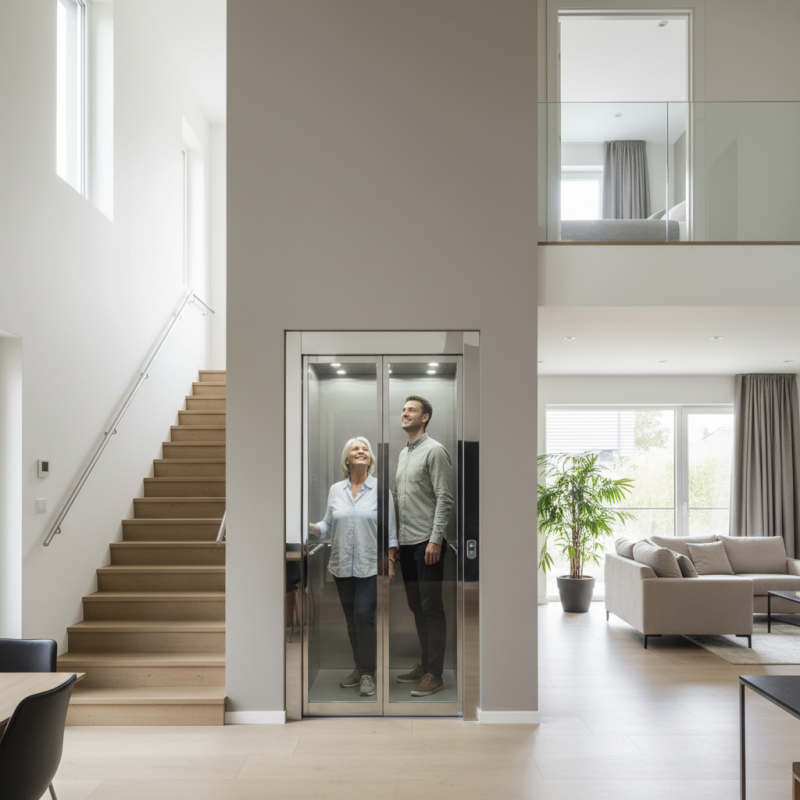
Home Elevator Overview: Definition and Types
Home elevators have become increasingly popular in modern homes. They provide convenience and accessibility for all ages. There are various types, including hydraulic, traction, and pneumatic elevators. Each has unique features and is suited for different home designs. For instance, hydraulic elevators are often used in multi-story homes due to their robust design.
The cost of a home elevator can vary widely. According to a recent industry report, the average price ranges from $20,000 to $50,000. Installation costs can add another $10,000 depending on home structure. While many homeowners appreciate the luxury, others may wonder about the return on investment. It’s important to reflect on individual needs before making a decision.
There are also practical considerations. Space and layout heavily influence the type of elevator chosen. Some homes may lack the necessary shaft space for certain models. Additionally, maintenance can be a concern, with some owners reporting unexpected repairs. When considering installing an elevator, it’s essential to weigh both the advantages and the potential challenges.
Advantages of Installing a Home Elevator
Installing a home elevator offers numerous advantages, enhancing convenience and accessibility. With an aging population, about 10,000 Americans turn 65 every day, making mobility solutions increasingly crucial. Home elevators can improve safety by reducing the risk of falls, especially for seniors. Research indicates that 30% of older adults experience falls each year. Having an elevator can provide peace of mind for families.
Beyond safety, home elevators can boost property value. A home with a functional elevator can see an increase in market appeal, particularly for multi-story houses. According to a study by the National Association of Home Builders, homes with elevators can sell for up to 10% more than comparable properties without them. This makes elevators not only a practical choice but also a wise investment.
Tips: Consider the space available for installation. Minimal disruption is key, so choose a model that fits your home’s layout. Also, think about the cost. While initial expenses can be high, remember the long-term benefits. Home elevators can save money on future renovations needed for mobility purposes. Think of them as an investment in comfort and safety.
Understanding the Costs of Home Elevator Installation
Installing a home elevator can seem daunting. Understanding the costs involved is crucial. Prices can vary widely based on several factors. For instance, the type of elevator plays a big role. Traditional models may cost more than modern, compact elevators. Additionally, custom designs can push the price higher.
Installation costs also depend on your home's layout. If your space is limited, renovations may be necessary. This could lead to unexpected expenses. Homeowners often overlook the long-term savings an elevator provides. It enhances accessibility and adds property value. Yet, initial costs can be a shock.
Maintenance is another consideration. Regular checks can prevent costly repairs later. While this adds to the overall expense, it's essential. Not every elevator needs constant maintenance, but understanding your model's requirements is vital. Balancing costs and benefits requires careful thought.
Installation Process: What to Expect When Installing a Home Elevator
Installing a home elevator is an exciting journey, but it's essential to know what to expect. Initially, a site assessment is conducted. This helps determine the best location for your elevator. Next, the installation team will prepare the area. Removing obstacles and ensuring safety will take priority. You’ll notice that preparation can be messy. Dust and noise are common during this phase. Be ready for some disruption.
Once preparations are done, actual installation begins. The process may involve electrical work and structural changes. You may see walls being modified or new fixtures added. An elevator shaft needs to be built or adjusted. Sometimes, delays occur due to unforeseen challenges. It's not always smooth, and patience is key.
After installation, inspections will follow. This helps ensure everything functions perfectly and safely. Expect to spend some time learning how it works. Training can sometimes feel overwhelming. Don't hesitate to ask for guidance. Investing in a home elevator requires thought and reflection on your needs. Remember, it’s a long-term commitment, both in terms of cost and lifestyle.
Common Questions and Answers About Home Elevators
Home elevators are gaining popularity in residential settings. Many homeowners appreciate the convenience they offer. They are not just for luxury; they provide essential mobility. This is important for families with elderly members or those with disabilities. A recent industry report indicates that the home elevator market is expected to grow by 12% annually. This growth reflects the rising demand for accessibility features in homes.
Many common questions arise regarding home elevators. One frequent concern is the installation cost. Costs can range significantly based on the model and installation complexity. On average, installation may cost between $20,000 to $40,000. Maintenance also plays a role. Regular inspections ensure safety and can save you money in the long run.
Tip: Always consult a professional for installation advice. Not all homes are suitable for elevators. Structural changes may be needed. Another consideration is space. Assess your home layouts carefully. Not everyone has adequate space for a conventional elevator. Consider your needs and future plans. A well-informed decision will benefit you in the long run.