How to Choose the Best Foot Heel Massager?
Choosing the best Foot Heel Massager requires more than comparing motor strength, price, or attractive product photos. Your heels carry repeated impact during walking, standing, and exercise. A suitable device should match your symptoms, tolerance, and daily routine.
The American Podiatric Medical Association reported that 77% of American adults have experienced foot pain. Its 2014 national survey also connected discomfort with reduced activity and poorer quality of life. The Global Wellness Institute valued the global wellness economy at $6.3 trillion in 2023. These figures show strong interest in personal recovery tools, but they do not prove that every Foot Heel Massager works equally well. That distinction matters.
Dr. Miguel Cunha, a podiatric surgeon and founder of Gotham Footcare, describes the feet as “the foundation of your body.” His observation offers a practical starting point. Look for adjustable intensity, controlled heat, stable heel support, and washable contact surfaces. Check whether the device targets the plantar heel, Achilles area, or both. A loud motor can become irritating after five minutes. A gentle setting may be more useful than maximum pressure.
Measure your feet carefully.
Consumer reviews can reveal durability, but they cannot replace clinical judgment. People with diabetes, reduced sensation, circulation problems, skin injuries, or persistent heel pain should seek professional advice before use. Stop if numbness, sharp pain, swelling, or bruising appears. It is tempting to choose the strongest model. That choice may be wrong.
This guide compares comfort, safety, pressure control, ergonomics, maintenance, and value. It also examines where marketing claims exceed available evidence.
What Is a Foot Heel Massager?
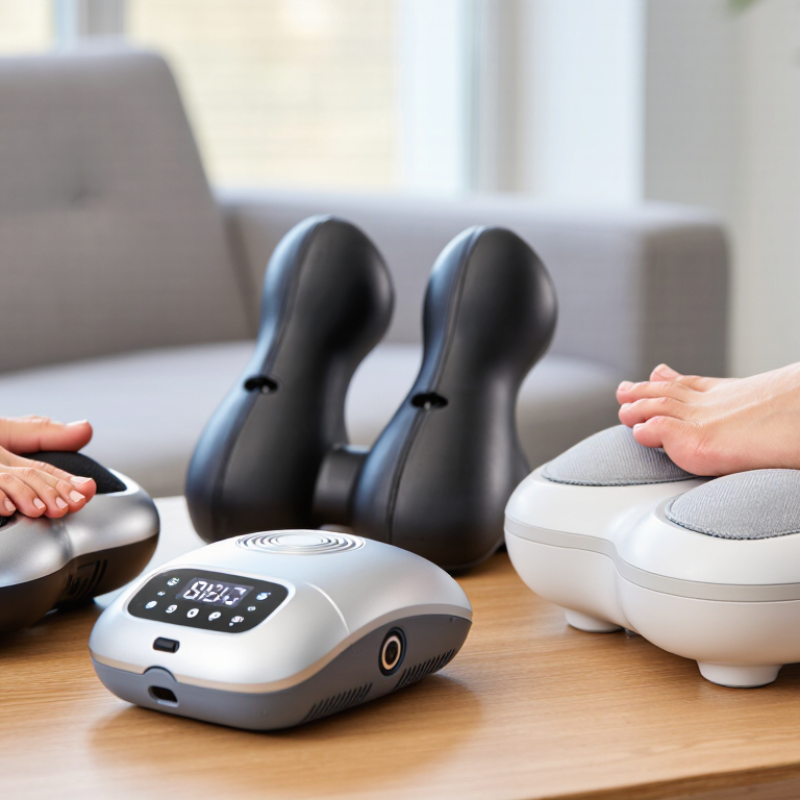
A foot heel massager is a device designed to stimulate the soles, arches, and heel area. It may use rolling nodes, kneading pressure, vibration, air compression, or gentle warmth. Some models focus directly on the heel, while others cover the whole foot. The purpose is usually relaxation, temporary muscle comfort, and improved awareness of foot tension. It is not a treatment for every source of heel pain. That distinction matters.
When choosing one, examine the pressure settings, surface texture, cleaning method, and size. A useful device should feel supportive, not painfully intense. Begin with a short session and low pressure. Check your skin afterward for redness or irritation. People with reduced sensation, circulation problems, diabetes, open wounds, or recent injuries should seek medical advice before use. A product description can sound convincing, but comfort still depends on your body and condition. I once assumed stronger pressure meant better results. That was not always true.
Tips: Choose adjustable intensity and a stable base. Avoid using heat if you cannot sense temperature normally. Stop if sharp pain, numbness, swelling, or unusual discoloration appears. Keep the device clean, especially after bare-foot use. Read the instructions carefully, because small design differences can affect safety and comfort. A heel massager should support daily care, not replace professional assessment when pain continues.
How to Choose the Best Foot Heel Massager?
What Is a Foot Heel Massager?
A foot heel massager is a device designed to apply mechanical stimulation to the feet and heel area. The chart compares common massage mechanisms by their primary function, helping shoppers choose according to comfort, pressure, heat, and portability needs.
Which Features Matter Most When Choosing One?
Choosing the best foot heel massager starts with fit, control, and safety, not appearance. The American Podiatric Medical Association reports that 77% of American adults have experienced foot pain. This figure makes adjustable pressure important. Look for separate intensity levels, a gentle starting mode, and a chamber that supports the heel without squeezing the toes. Heat can feel soothing after a long shift, but it should include a timer and independent temperature control. Too much warmth is uncomfortable. Sometimes, less is better.
Cleaning details matter more than many product descriptions suggest. Removable liners, smooth inner surfaces, and washable materials reduce odor and moisture buildup. A quiet motor also matters in bedrooms or shared offices.
38.4 million
Americans had diabetes in 2021, representing 11.6% of the population.
The U.S. Centers for Disease Control and Prevention estimates that 38.4 million Americans had diabetes in 2021, representing 11.6% of the population. Because reduced foot sensation can occur with diabetes, users should avoid strong heat or compression without medical advice. A massager should never replace professional evaluation.
Check the size range carefully. Heel placement should feel centered, not forced forward. Compare the warranty, cord length, controls, and automatic shutoff. A higher price does not guarantee better therapy. That assumption deserves skepticism.
If possible, test the lowest setting for several minutes and check your skin afterward. Stop if you notice numbness, sharp pain, unusual swelling, or persistent redness.
(Sources: APMA, “Foot Health Facts”; CDC, National Diabetes Statistics Report 2024.)
How to Check Safety, Comfort, and Ease of Use
How to Choose the Best Foot Heel Massager?
Safety should lead the decision, not the number of massage modes. The World Health Organization estimates that 1.71 billion people live with musculoskeletal conditions worldwide. That figure shows why foot discomfort deserves careful attention, not aggressive pressure.
Look for adjustable intensity, controlled heat, automatic shutoff, and a stable base. A clear instruction manual matters. So does easy cleaning. Removable, washable liners can reduce unpleasant moisture and odor. Check the electrical safety certification required in your country. Do not assume a bright display means reliable protection. I have made that mistake before.
Comfort depends on fit. Your heel should rest naturally, without your toes being squeezed. Test the lowest setting first. Pressure that feels relaxing after five minutes may feel excessive after twenty. Choose breathable materials and controls you can operate without bending awkwardly. Excessive noise can also make regular use irritating.
The CDC’s National Diabetes Statistics Report 2024 estimated that 38.4 million Americans had diabetes in 2021. Diabetes may reduce foot sensation, making heat or pressure injuries harder to notice. People with numbness, poor circulation, unexplained swelling, open wounds, or persistent pain should seek medical advice before using a massager. A massager is not a treatment for an undiagnosed condition. That distinction is easy to overlook. Personally, I would value simple controls over extra programs, because complicated features often remain unused.
How to Compare Quality, Price, and Maintenance
Choosing a foot heel massager requires more than chasing the highest massage intensity. Quality begins with fit, pressure control, and safe materials. The American Podiatric Medical Association reported that 77% of U.S. adults had experienced foot pain in its 2018 national survey. That figure explains demand, not product effectiveness. Grand View Research valued the global foot massager market at approximately USD 3.2 billion in 2023. Growth is not proof of quality. Look for stable housing, washable liners, quiet operation, and reachable controls.
Price should match useful features and expected service life. A cheap device becomes costly when its liner traps sweat or its motor overheats. Compare heat adjustment, automatic shutoff, cord quality, warranty length, and return terms. Stronger vibration does not always mean better relief. A controlled 15-minute session may suit daily use better. I have found manuals reveal more than glossy specifications. That is not always convenient.
Tips: Compare monthly cost, not only checkout price. Divide the price by realistic months of use. Check replacement liners and cleaning instructions. Wipe surfaces after every session, then let them dry fully. Never share damp liners. If you have diabetes, reduced sensation, circulation problems, or unexplained heel pain, consult a qualified clinician first. My comparison remains imperfect: comfort is personal, and test measurements cannot predict every foot.