How to Choose the Best Sheet Metal Roof Panels for Your Project?
Choosing the best sheet metal roof panels for your project requires careful consideration. The roofing industry has recognized the increasing popularity of metal panels, which now account for approximately 11% of the residential roofing market, according to the Metal Roofing Alliance. This rise is attributed not only to their durability but also to the style and energy efficiency they offer.
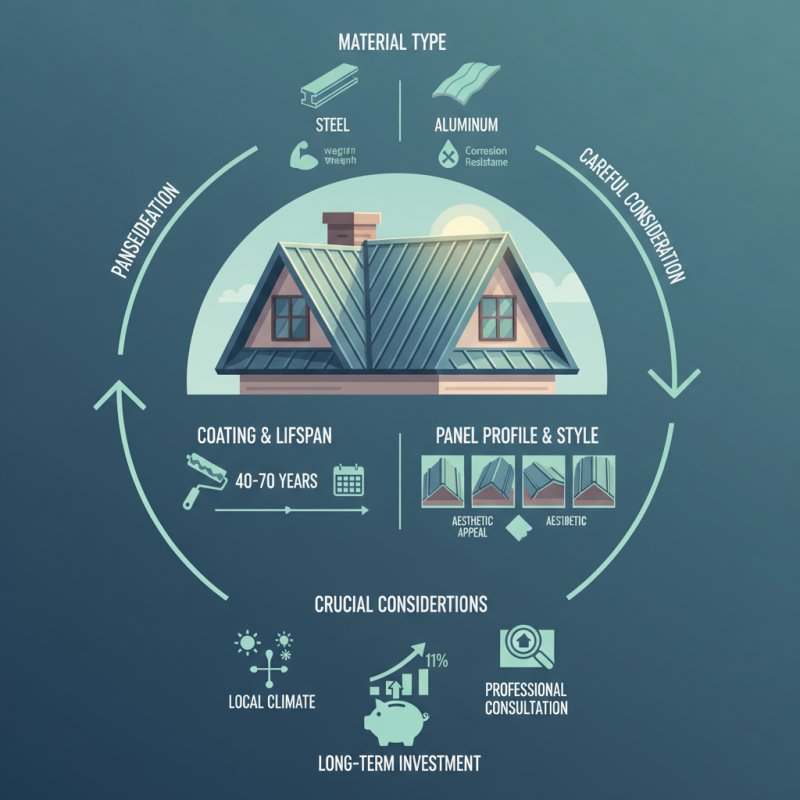
When selecting sheet metal roof panels, factors like material type, coating, and panel profile are crucial. Steel is often preferred for its strength while aluminum is lighter and resistant to corrosion. The right coating can dramatically extend the lifespan of the panels. Reports indicate that with proper maintenance, metal roofs can last 40-70 years. In choosing wisely, homeowners and contractors can optimize both aesthetic appeal and long-term investment.
However, the process is not without challenges. Many still overlook crucial aspects, such as local climate conditions. An inadequate understanding of the necessary specifications can lead to costly mistakes. This highlights the importance of thorough research or consulting with professionals who possess the necessary expertise in the field of sheet metal roofing.
Understanding Different Types of Sheet Metal Roof Panels Available
When selecting sheet metal roof panels, it is essential to understand the various types available. common options include galvanized steel, aluminum, and copper. Galvanized steel is known for its durability and resistance to corrosion. It represents about 70% of the metal roofing market due to its affordability and longevity. On the other hand, aluminum offers lightweight properties and corrosion resistance, making it suitable for coastal areas. According to a recent industry report, aluminum panels can last up to 50 years with minimal maintenance.
Copper panels, although more expensive, provide an aesthetic appeal and exceptional longevity, often exceeding 100 years. They form a patina over time, which protects the metal from further corrosion. Notably, the installation of copper panels requires specialized skills. A report from the Metal Roofing Alliance indicates that many homeowners overlook the specific requirements for various panel types. This can lead to improper installation, which compromises the roof's integrity. Engaging with qualified professionals is crucial for achieving optimal results that meet local building codes.
Comparison of Different Types of Sheet Metal Roof Panels
This chart compares the average cost per square foot of various types of sheet metal roof panels, showing the financial consideration important for a roofing project. Steel is the most cost-effective option, while copper tends to be the most expensive.
Evaluating the Durability and Longevity of Sheet Metal Roofs
When assessing the durability and longevity of sheet metal roofs, several factors come into play.
Material composition is crucial. Galvalume and galvanized steel are popular options, known for their corrosion resistance.
Proper installation also impacts lifespan. Even the strongest materials will falter if improperly applied. Rain can seep in, leading to rust and damage over time.
Climate is a major consideration. In areas with heavy snowfall or high winds, the roof must withstand these conditions.
Regular maintenance can extend the life of metal panels. Simple tasks like clearing debris can prevent water accumulation, which often leads to deterioration.
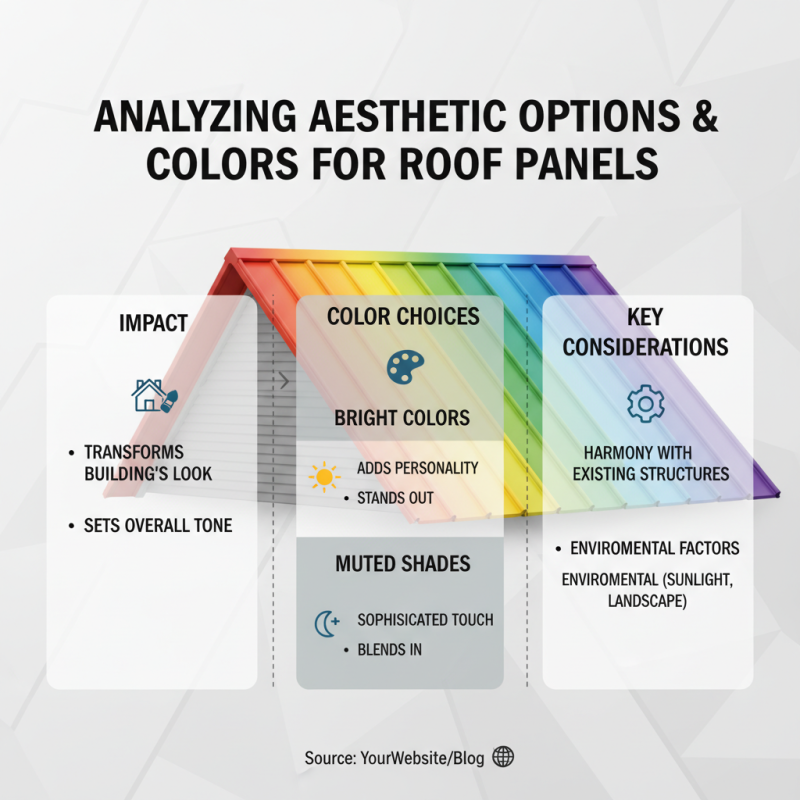
The aesthetic value of a roof should not overshadow its functionality.
A visually appealing home deserves a robust roof. However, some might choose a panel based solely on cost, possibly overlooking essential qualities.
It is vital to balance beauty and resilience for the best outcome. Evaluating these aspects ensures you choose a roof that lasts.
Considering Weather Resistance and Insulation Properties
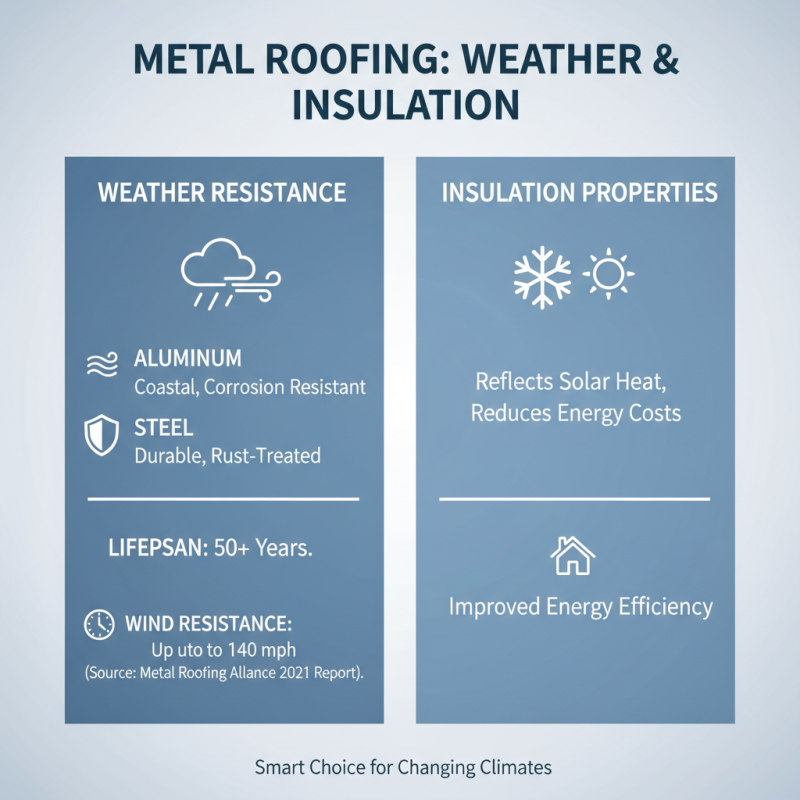
When selecting sheet metal roof panels, weather resistance and insulation properties are crucial. Different metals respond uniquely to changing climates. For instance, aluminum roofs perform well in coastal areas due to their corrosion resistance. Steel, while more robust, can rust if not properly treated. A 2021 report by the Metal Roofing Alliance indicates that properly installed metal roofs can last over 50 years and typically withstand winds up to 140 mph.
Insulation is another critical aspect that impacts energy efficiency. Studies show that a well-insulated metal roof can reduce energy costs by up to 30%. Reflective coatings on metal panels encourage heat deflection. This feature is especially beneficial in warmer climates. On the flip side, improper insulation can lead to condensation problems, resulting in mold or structural damage.
Understanding R-value is essential in evaluating insulation efficiency. A higher R-value indicates better insulation. Ideally, metal roofing systems should achieve an R-value between 30 to 38 for optimum performance. However, achieving such numbers may require a detailed assessment of local weather patterns and building specifications. Homeowners should be cautious about choosing insulation thickness based solely on initial costs; long-term savings and durability are essential considerations.
Budgeting and Cost Considerations for Your Sheet Metal Roofing Project
Budgeting for your sheet metal roofing project requires careful planning. Start by determining the overall size and shape of your roof. Measure the area accurately to avoid unexpected costs. Then consider the thickness and type of metal panel. Thicker panels tend to cost more but offer better durability.
Include installation fees in your budget. Labor costs can vary widely depending on your location. Always get quotes from several contractors. Check their experience and past projects before making a decision. Unexpected issues, like fixing structural problems, can add to your expenses.
Research long-term benefits too. Although upfront costs matter, think about energy savings and maintenance. A higher initial investment may pay off over time. Look for reliable resources to guide you in your decisions. Plan your budget with flexibility. This helps you cope with any unforeseen challenges.