How to Choose the Best Aluminum Panels for Your Project?
Choosing the best aluminum panels for your project can be challenging. With various options available, it's essential to know your requirements. Aluminum panels offer durability, lightweight characteristics, and aesthetic appeal. They are widely used in architectural designs, signage, and industrial applications.
Understanding the specific needs of your project is crucial. Consider factors like weather resistance, insulation properties, and mounting options. Different aluminum panel types cater to different functions. Some panels excel in thermal efficiency, while others focus on visual impact. However, it’s easy to overlook the importance of quality and performance.
Take time to research and compare brands. Not all aluminum panels are created equal, and price alone does not determine quality. Look for manufacturers with certifications and positive reviews. Reflect on your choices to make informed decisions. Ultimately, selecting the right aluminum panels can enhance your project's success and longevity.
Understanding the Types of Aluminum Panels Available in the Market
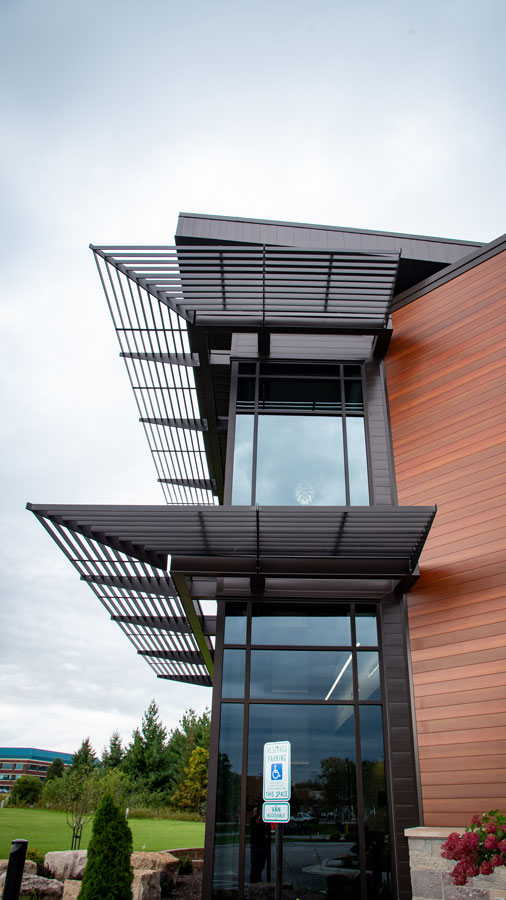
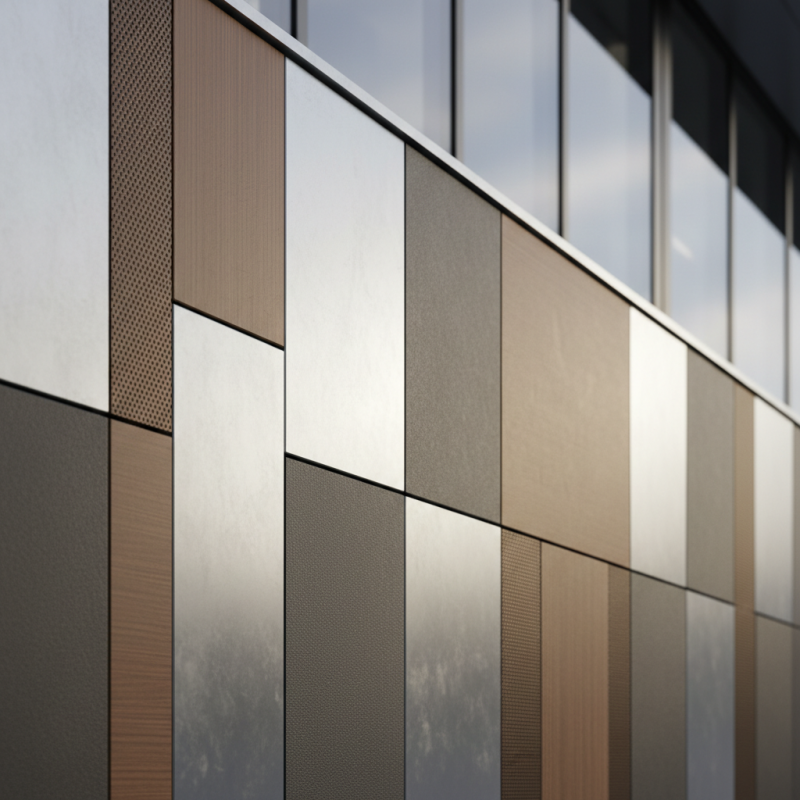
When selecting aluminum panels for your project, understanding the different types available is crucial. Generally, there are three main types: composite, solid, and perforated panels. Composite panels combine two thin layers of aluminum with a non-aluminum core, offering durability and insulation. Solid panels provide a robust and smooth surface, ideal for high-impact areas. Perforated panels have holes that allow for air and light to pass through, often used for aesthetic or functional purposes.
Tips: Consider the specific requirements of your project. How much weight can your structure hold? What is the desired level of insulation? Never overlook the importance of weather resistance. Examine the environmental conditions your panels will face. Will they endure extreme heat or rain? Be realistic about finishes. Some may require more maintenance than others, affecting long-term costs.
Moreover, you should pay attention to thickness. Thicker panels tend to be sturdier but can be heavier to handle. Evaluate your installation capabilities. Not every type of panel is easy to work with. Remember, a beautiful façade may not always be the best choice if it compromises structural integrity or requires excessive upkeep.
Comparison of Different Types of Aluminum Panels
Assessing the Specific Requirements for Your Project
When assessing the specific requirements for your project, begin by defining its scope. Consider the intended use of the aluminum panels.
Will they serve decorative purposes, structural support, or insulation? Each function dictates different specifications.
For example, panels used in high-traffic areas need durability and
resistance to wear.
Next, evaluate the environmental factors. Panels exposed to harsh weather must be corrosion-resistant.
Think about the local climate conditions. Humidity, temperature extremes, and UV exposure can affect the longevity of your panels.
Understanding these factors is crucial for selecting the right materials.
Additionally, reflect on the aesthetic appeal. Your project may require a specific color or finish. This is important for the overall design coherence.
Consider how different textures and patterns might enhance or detract from the project. Balancing functionality with aesthetics can be tricky.
You may need to compromise on some features. Always keep an open dialogue with your team. This will help ensure that the selected panels meet
both functional and visual needs effectively.
Evaluating the Durability and Maintenance of Aluminum Panels
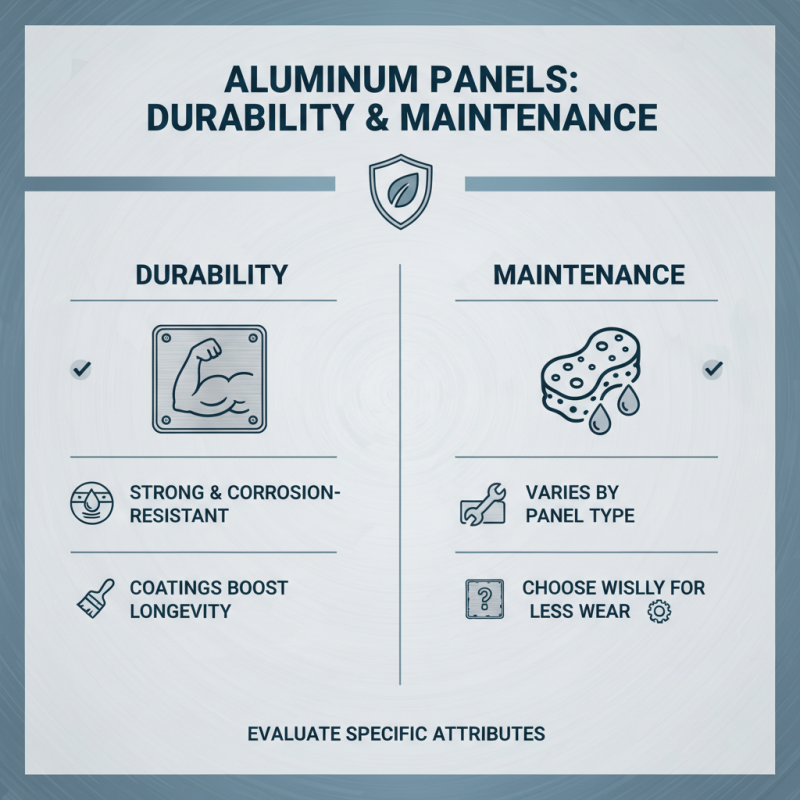
When considering aluminum panels for your project, durability and maintenance are crucial factors. Aluminum is known for its strength and resistance to corrosion. However, not all aluminum panels are created equal. Some may have protective coatings that enhance their longevity, while others might be more susceptible to wear. It’s important to evaluate the specific attributes of the aluminum type you choose.
Regular maintenance can prolong the life of aluminum panels. They typically require less upkeep than other materials. A simple wash with soapy water can remove dirt and grime. However, some environments may lead to quicker deterioration. For instance, coastal areas can increase the risk of salt damage. This demands more frequent maintenance tasks. Be mindful of where the panels will be installed.
Investing in quality aluminum panels pays off in the long run. Yet, it’s vital to research suppliers. Look for those who provide detailed warranty information. An informed decision will help avoid unexpected issues. Remember that while aluminum is generally durable, it still requires thoughtful selection and care for optimal performance.
Comparing Costs: Budget Considerations for Aluminum Panel Selection
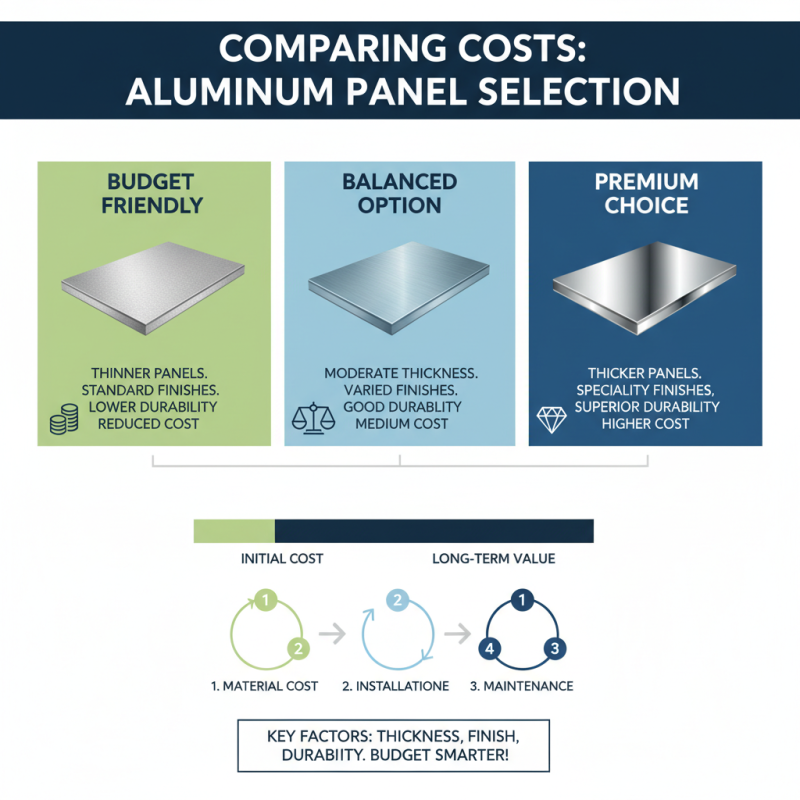
When considering aluminum panels for your project, cost is a key factor. Aluminum panels come in varying price ranges. The cost often reflects the panel's thickness, finish, and durability. Thicker panels may withstand harsh weather better. However, they also come with a higher price tag. Budgeting for your project is essential.
Research is crucial before making a decision. You might find cheaper options that compromise on quality. It's important to balance cost and quality. Some panels look good but may not perform well in the long run. Always consider the installation cost as part of your budget. In some cases, a lower initial cost can lead to higher installation expenses.
Reflecting on your choices can help. You might be tempted to prioritize appearance over function. However, selecting the right aluminum panel involves considering both aesthetics and practicality. Look into long-term benefits and warranties, as these can affect your total project cost. Making informed decisions will ultimately serve your project's goals.
Identifying Aesthetic Options and Finishes for Aluminum Panels
When selecting aluminum panels, aesthetic options play a crucial role.
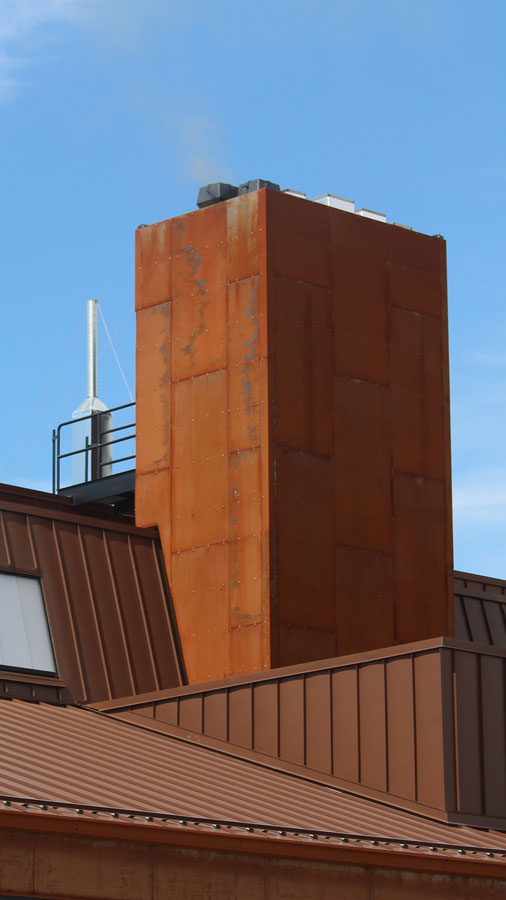
The finish you choose can dramatically impact the overall look of your project. Different finishes, such as
brushed,
anodized, or
powder-coated, each offer unique visual characteristics.
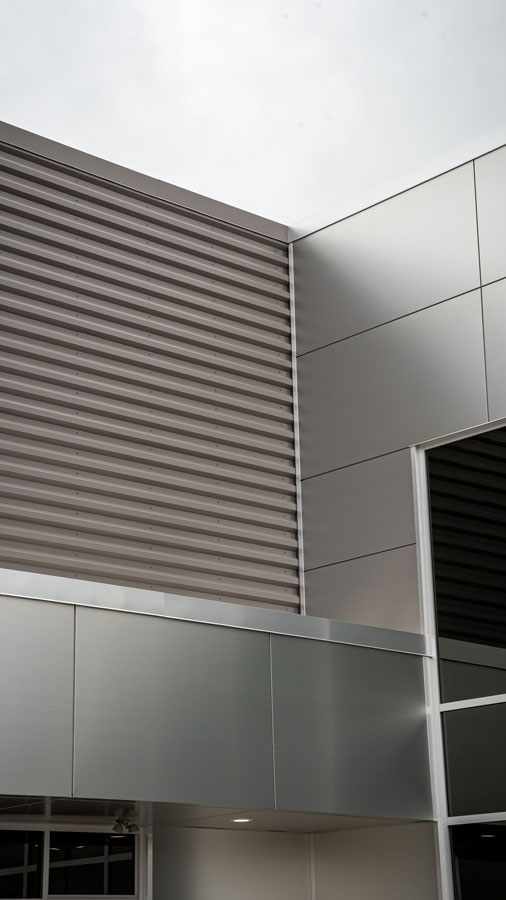
A brushed finish presents a sleek, modern appearance while anodized surfaces demonstrate durability alongside elegance.
Color options also broaden the design palette. Neutral tones like silver and
charcoal provide a timeless quality.
Vibrant colors can make a statement or convey specific branding.
Consider the project’s context; these choices should complement surrounding elements.
Picking the right color and finish takes time and careful thought.
Don’t rush this process.
Sometimes, the most striking results come from unexpected contrasts. Combining textured and smooth finishes could yield stunning visuals.
However, be aware of how these choices interact.
It’s important to factor in sustainability and maintenance as well.
Some finishes may require more upkeep, which can affect long-term satisfaction with the project.
Experimentation and reflection are essential in crafting the ideal aesthetic for your aluminum panels.