What are the Benefits of Sheet Metal Roofing for Your Projects?
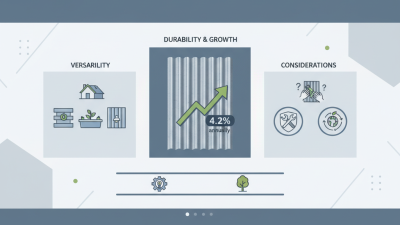
When considering roofing options for your projects, sheet metal roofing stands out for its numerous benefits. Its durability and longevity make it an excellent investment. Unlike traditional materials, sheet metal roofing can withstand harsh weather conditions, from heavy rain to snow loads. This resilience ensures that your structure remains protected over time.
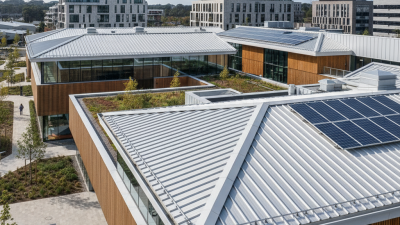
Moreover, sheet metal roofing is lightweight. This attribute simplifies installation, allowing for faster project completion. The reflective surfaces of sheet metal can also improve energy efficiency. Homes and buildings benefit from reduced cooling costs as heat is deflected away.
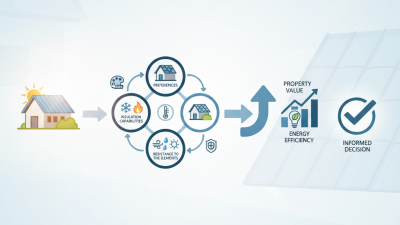
However, not every project may find sheet metal roofing suitable. Proper insulation and soundproofing can be challenges. Additionally, aesthetics might not align with some styles of architecture. It’s essential to weigh these factors carefully. Understanding the unique benefits and potential drawbacks will guide you in making an informed decision for your construction endeavors.
Benefits of Sheet Metal Roofing: Durability and Longevity Insights
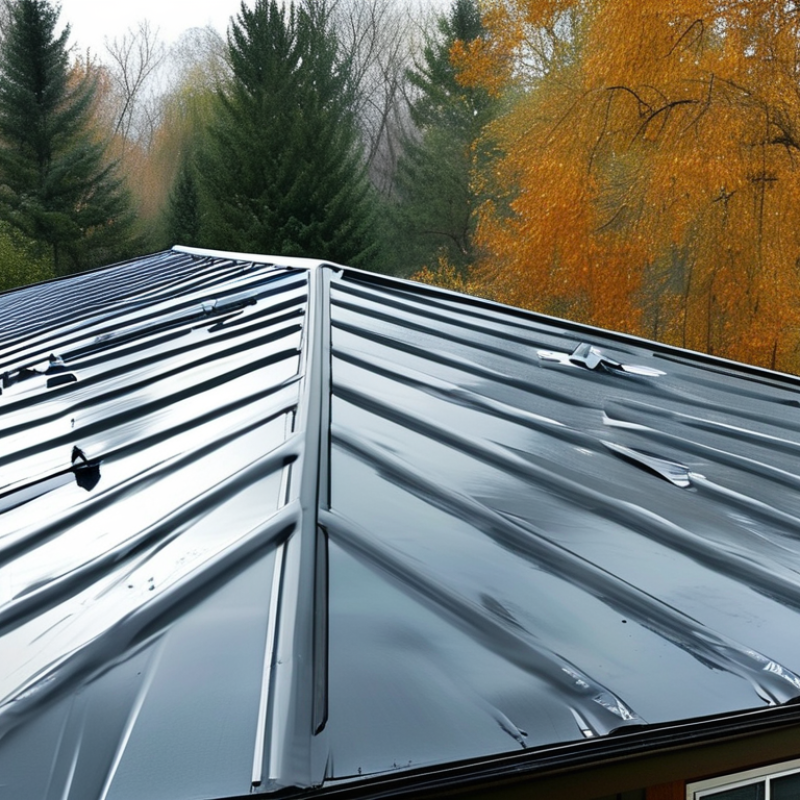
Sheet metal roofing offers remarkable durability and longevity, making it an excellent choice for various projects. According to a report from the Metal Roofing Alliance, metal roofs can last 50 years or more, significantly outpacing traditional roofing materials like asphalt shingles, which typically last 20 years. This extended lifespan translates to reduced replacement costs over time. Investing in sheet metal roofs means fewer repairs and maintenance, saving homeowners and builders both time and money.
One of the standout features of metal roofing is its resistance to extreme weather conditions. Research indicates that sheet metal can withstand high winds exceeding 140 mph. This resistance provides peace of mind in areas prone to storms or harsh environments. Despite these benefits, it’s crucial to consider the installation process. Improper setup can lead to leaks and premature wear, underscoring the importance of skilled professionals for installation. Balancing these risks with the advantages is essential for making informed decisions in roofing projects.
Lastly, metal roofing is often more environmentally friendly compared to other materials. Its recyclability contributes to sustainability, a factor increasingly valued by homeowners. However, not every project needs a metal roof. In some cases, it may not align with aesthetic themes or budgets. Each situation warrants a thoughtful assessment to determine the most fitting roofing solution.
Energy Efficiency of Sheet Metal Roofing: A Comparative Analysis
Sheet metal roofing stands out for its energy efficiency. It reflects solar heat, keeping buildings cooler. This can lead to significant savings on cooling costs during hot months. A properly installed sheet metal roof can reduce energy consumption by 20-30%. This makes it an excellent choice for eco-conscious projects.
Comparative analysis shows that sheet metal roofs often outperform traditional materials. Asphalt shingles absorb heat, while metal reflects it. This simple difference results in a major energy advantage. Additionally, the lifespan of sheet metal roofs can span over over 50 years. This durability contributes to long-term energy savings.
However, there are factors to consider. Initial installation costs can be higher than other roofing types. The reflective properties, while advantageous, may not suit every architectural style. It’s essential to evaluate the overall project goals and local climate. Understanding these elements will lead to a more informed roofing decision.
Cost-Effectiveness Over Time: Sheet Metal vs Traditional Roofing Materials
Sheet metal roofing presents significant cost-effectiveness compared to traditional roofing materials. While the initial investment may seem higher, its long-term benefits often outweigh these costs. Metal roofs typically last 40 to 70 years, while asphalt shingles might only last for 20 years. This durability means fewer replacements and lower maintenance expenses over time.
Maintenance is another critical factor. Sheet metal roofing is less prone to issues like mold, mildew, and rot. This translates to reduced repair costs and less frequent inspections. Homeowners often appreciate the time and money saved on upkeep. The energy efficiency of metal roofs also contributes to savings. They reflect sunlight and can reduce cooling costs significantly, especially in warm climates.
However, not every project will benefit equally from sheet metal. Local weather conditions and building design may impact its effectiveness. In areas with heavy snowfall, additional support may be needed to handle the weight. It’s essential to evaluate your specific situation and consider both pros and cons. Relying solely on durability and cost does not paint the full picture.
Aesthetic Versatility: Design Options in Sheet Metal Roofing
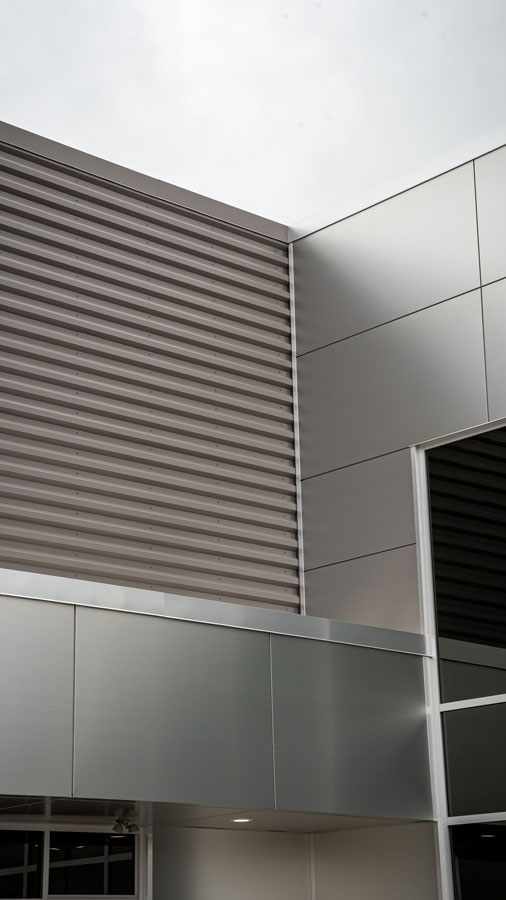
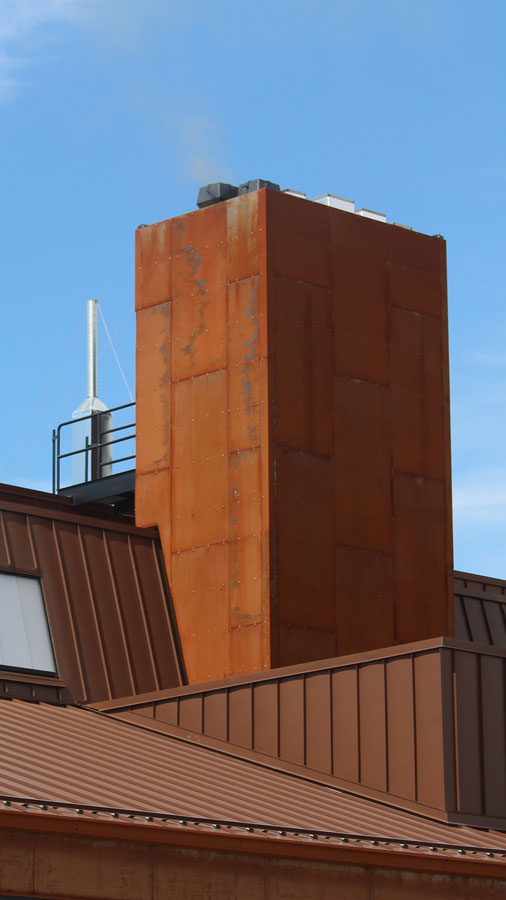
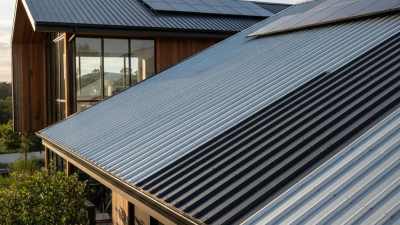
Sheet metal roofing offers remarkable aesthetic versatility, making it a popular choice for diverse architectural styles. From sleek modern homes to traditional structures, this roofing material brings a unique charm. Its availability in various colors and finishes allows for creative expression. Homeowners can choose between polished aluminum, galvanized steel, or even intricate coatings. These options help achieve the desired visual impact, enhancing the overall appeal of any project.
In addition to its aesthetic benefits, sheet metal roofing is also functional. Its lightweight nature simplifies installation and maintenance. However, the reflective surface can sometimes present challenges. For instance, glare may affect neighboring properties if not carefully considered. It's essential to strike a balance between style and practicality. Some designs may require thoughtful planning to ensure that they harmonize with the environment.
Moreover, the durability of sheet metal adds to its allure. It withstands harsh weather and resists corrosion. Yet, it’s vital to assess the surrounding climate before opting for this roofing type. In some regions, extreme temperatures can lead to expansion and contraction issues. Proper installation and an understanding of material behavior are critical. Overall, sheet metal roofing stands as a dynamic choice, provided its unique properties are well understood and thoughtfully applied.
Environmental Impact: Sustainability Factors of Sheet Metal Roofing
Sheet metal roofing offers significant environmental benefits that often go overlooked. It is primarily made from recycled materials, which reduces the need for new raw resources. This reuse of metals helps conserve energy and lowers greenhouse gas emissions associated with production. Sheets can be recycled multiple times without losing quality, adding to their sustainability.
Additionally, sheet metal roofs reflect solar heat, which lowers energy consumption in buildings. This cooling effect can reduce air conditioning needs, leading to lower carbon footprints. Some studies indicate that metal roofs can save up to 25% on energy costs during hot months. However, the initial cost can be a drawback for some homeowners, and the aesthetic appeal may not suit every preference.
Another factor to consider is the longevity of sheet metal roofing. With proper maintenance, these roofs can last over 50 years, significantly reducing waste generated by frequent replacements. Yet, potential buyers should weigh the durability against their specific climate conditions and potential noise levels during rain or hail. Understanding these aspects can lead to more informed decisions regarding your roofing project.