What Are the Benefits of Composite Fireproof Doors?
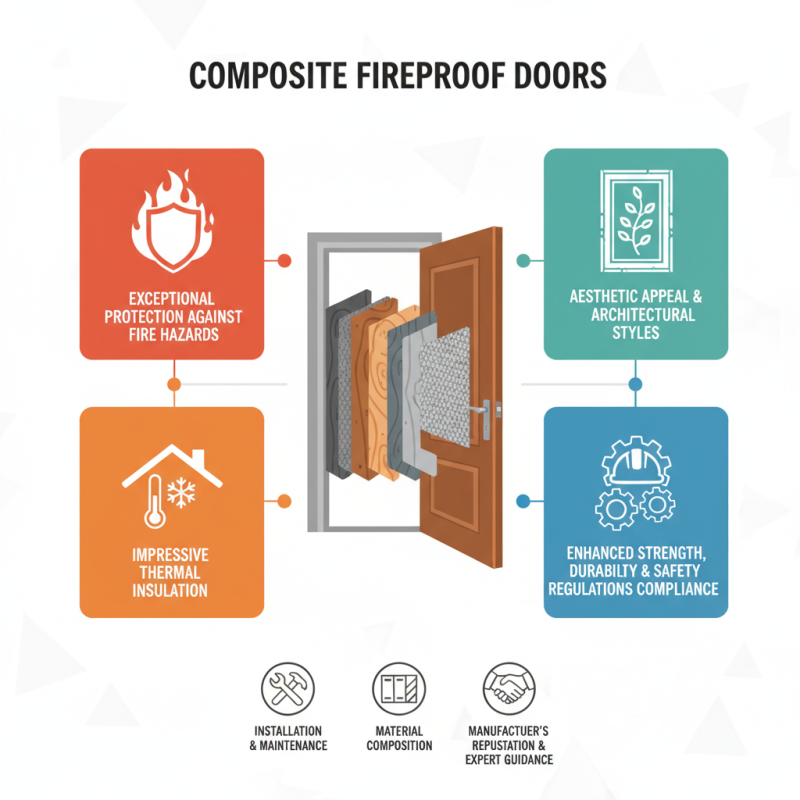
Composite Fireproof Doors offer exceptional protection against fire hazards. These doors combine various materials for enhanced strength and durability. Their design ensures they meet stringent safety regulations, making them suitable for many buildings.
The benefits of composite fireproof doors extend beyond mere fire resistance. Their impressive thermal insulation properties can help maintain comfortable indoor temperatures. Additionally, their aesthetic appeal means they can fit into various architectural styles without compromising safety.
However, selecting the right composite fireproof door can be challenging. Factors like installation and maintenance affect performance. It’s essential to consider both the material composition and the manufacturer’s reputation. Relying on expert guidance can lead to better choices. Fire safety is critical, so investing in quality doors is a wise decision.
Key Characteristics of Composite Fireproof Doors
Composite fireproof doors are gaining traction due to their unique characteristics. They are made from a combination of materials that enhance durability and fire resistance. According to the National Fire Protection Association, fire doors can reduce fire spread by up to 75%. This makes composite doors a critical component in fire safety.
These doors are often lighter than traditional steel options, which improves ease of installation. Their composition includes layers of fire-rated gypsum board and dense core materials. This layered construction not only enhances fire resistance but also improves sound insulation. Reports indicate that composite doors can withstand temperatures exceeding 1,200 degrees Fahrenheit for up to 90 minutes.
Despite their advantages, some issues need addressing. There can be variations in the quality of fireproofing across different products. This inconsistency can be concerning for building managers who prioritize safety. Additionally, while composite doors are designed for fire endurance, they may not be as robust against physical impacts compared to steel doors. These factors should be carefully considered when choosing fireproof solutions for safety-sensitive environments.
Fire Resistance Ratings and Standards for Composite Doors
Composite fireproof doors play a vital role in fire safety. They meet specific fire resistance ratings which are crucial for safeguarding lives and property. The standards set by various regulatory bodies outline how long a door can withstand fire and heat. Most composite fire doors are designed to provide a fire rating of 30, 60, or 90 minutes. This ensures they can help contain a fire, preventing it from spreading quickly.
Understanding these ratings is essential. They indicate how long occupants have to escape safely. Additionally, the door's construction materials influence its performance. Many composite doors use a blend of metal and fire-resistant cores. These materials enhance durability and efficacy in fire situations.
Tips: Regular inspections are vital for fire doors. Check for any damage that could affect performance. Ensure that the door closes securely and latches properly. Training staff on the importance of keeping doors closed during a fire can also maximize safety. Remember, maintaining these doors is not just about compliance; it's about protecting lives.
Benefits of Composite Fireproof Doors
Advantages Over Traditional Fireproof Door Materials
Composite fireproof doors offer distinct advantages over traditional materials. These doors are designed with layers of fire-resistant material, providing enhanced protection. They often feature a core made of mineral-based composites, which are not only robust but also lightweight. This design allows for easier installation and maintenance.
Another benefit is durability. Composite doors can resist dents and scratches better than wooden or steel doors. They require less upkeep, making them a cost-effective choice over time. Additionally, their resistance to moisture prevents warping and rust, common issues in traditional doors.
However, the installation process may be complicated, requiring skilled labor for optimal performance.
A consideration is the fire rating. Composite doors often achieve higher ratings, but standards can vary. It's crucial to check compliance with fire safety regulations. Ensuring proper certification can make a difference in safety.
Investing in composite fireproof doors is a step towards better protection, but understanding their specific properties remains essential.
Impact on Building Safety and Insurance Considerations
Composite fireproof doors play a crucial role in enhancing building safety. These doors provide a robust barrier against fire, preventing it from spreading rapidly. This characteristic is vital in protecting lives and property. Moreover, offering superior thermal insulation, composite doors help maintain safe temperatures within a building during a fire incident. The fire rating of these doors can also meet or exceed local safety regulations.
When it comes to insurance, having composite fireproof doors can lower premiums. Insurers often favor properties with advanced safety features. Lower risk translates to lower costs. It's wise for building owners to consult their insurance providers about potential discounts related to fire safety measures.
Tips for selecting composite fireproof doors include checking the fire rating, ensuring proper installation, and maintaining them regularly. Look for doors with certifications from recognized authorities. Also, evaluate the door's ability to withstand smoke and heat. Regular inspections are key to ensuring they perform effectively. Consider consulting with safety experts for tailored recommendations. Remember, investing in safety can lead to peace of mind.
What Are the Benefits of Composite Fireproof Doors? - Impact on Building Safety and Insurance Considerations
| Benefit | Description | Impact on Safety | Insurance Consideration |
| Fire Resistance | Composite fireproof doors are designed to withstand high temperatures, providing an essential barrier against fire spread. | Enhances overall building safety by protecting escape routes and potentially saving lives. | Lower insurance premiums due to reduced risk assessments for fire damage. |
| Durability | Made from composite materials, these doors are resistant to wear and tear, extending their lifespan. | Long-lasting doors contribute to maintaining safety standards over time. | Offers potential savings in replacement costs and policy adjustments. |
| Aesthetics | Composite doors can be designed to match the aesthetic of the building while still being fire-resistant. | Improving the appearance of safety features can promote awareness and compliance. | Enhanced property value which may positively influence property insurance evaluations. |
| Cost-Effectiveness | While initially more expensive, composite fireproof doors save costs in the long term due to their durability and low maintenance needs. | Reducing financial burden in repairing or replacing doors after fire incidents ensures consistent safety features. | May lead to favorable insurance negotiations regarding fire prevention measures. |
Maintenance and Longevity of Composite Fireproof Doors
Composite fireproof doors offer remarkable durability and resilience. Their construction typically combines different materials, enhancing strength and fire resistance. This ensures robust protection against flames and smoke. However, even the best doors require regular maintenance to perform optimally. Ignoring simple maintenance tasks can lead to decreased effectiveness over time.
Routine inspections are critical. Check for any signs of wear or damage. This helps prevent future issues that could compromise safety. Regular cleaning is equally important. Dust and grime can accumulate, affecting the door's performance. Simple cleaning can extend longevity significantly.
Special attention should be given to seals and hinges. These components wear out faster and can impact fire resistance. Replacing or repairing them promptly is essential. While composite fireproof doors are designed for longevity, neglect can lead to greater costs in the long run. Balancing care and use will ensure they remain effective.