




Top 10 Benefits of Aeration Process in Wastewater Treatment?
The Aeration Process In Wastewater Treatment plays a crucial role in ensuring environmental sustainability. This method enhances the breakdown of organic matter in wastewater. By introducing air into the system, microorganisms are stimulated to thrive. They consume pollutants, leading to cleaner effluent.
Many wastewater treatment facilities have adopted this process due to its effectiveness. However, challenges exist. Factors such as energy usage and system maintenance must be addressed. Understanding these aspects is vital for improvement. Aeration is not a one-size-fits-all solution. Each facility requires an assessment of its specific needs.
Exploring the top 10 benefits of the Aeration Process in Wastewater Treatment provides insight into this complex field. It highlights both the advantages and areas for enhancement. By doing so, practitioners can better manage resources and increase efficiency. This knowledge is essential for anyone involved in wastewater management.
Benefits of Aeration: Enhancing Biological Treatment in Wastewater
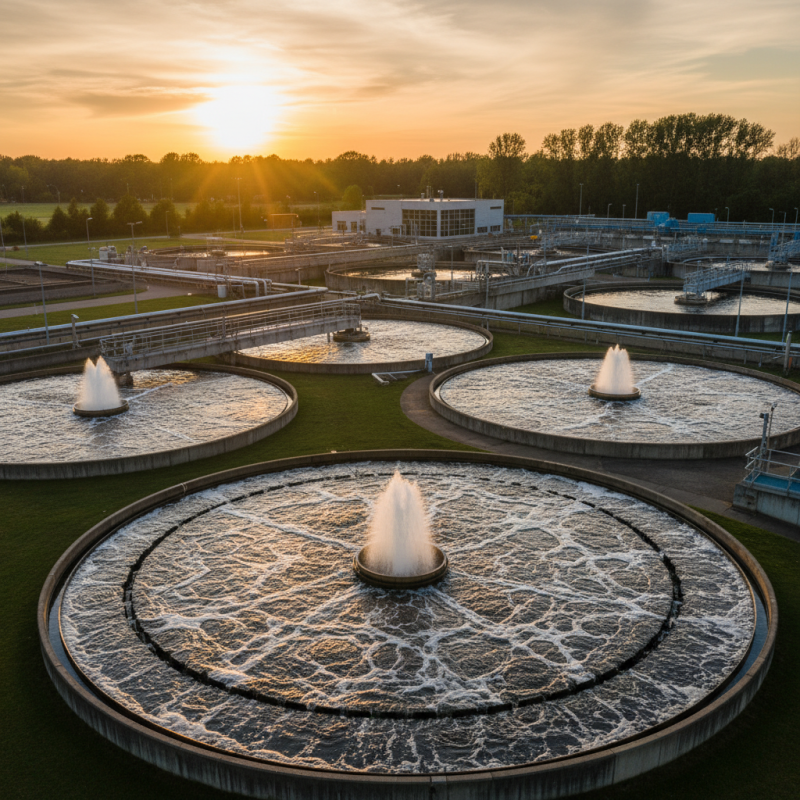
Aeration plays a crucial role in enhancing biological treatment processes in wastewater management. The introduction of air into the treatment system helps microorganisms thrive. These tiny organisms feed on pollutants and organic matter, breaking them down effectively. As a result, aeration significantly reduces biochemical oxygen demand (BOD) levels, promoting cleaner effluent. This process minimizes harmful substances in treated water, making it safer for discharge into natural bodies.
Effective aeration helps maintain optimal oxygen levels, which is essential for aerobic bacteria. When these bacteria flourish, they can metabolize waste more efficiently. However, the process is not without challenges. Poor aeration can lead to inefficient treatment and odor issues. Monitoring and adjusting aeration rates is complex yet vital. Operators must balance air supply to avoid under- or over-aeration, both of which can hinder biological performance.
Sufficient aeration also enhances the sedimentation process that follows treatment. Improved settling leads to clearer effluent and reduces the burden on downstream treatments. Yet, it's a continuous learning process for wastewater treatment plants. Each facility has unique challenges, and adaptable strategies are crucial for optimal aeration and treatment outcomes. Regular assessments and adjustments based on performance data can greatly improve efficiency and reliability in achieving treatment goals.
Improved Dissolved Oxygen Levels for Efficient Microbial Activity
The aeration process is vital in wastewater treatment. One key benefit is the improvement of dissolved oxygen levels. Higher oxygen levels promote efficient microbial activity. This is crucial for breaking down organic matter effectively. Microbes thrive in oxygen-rich environments, leading to faster degradation of pollutants.
When the dissolved oxygen (DO) levels rise, microbial populations flourish. As they consume waste, they produce less harmful byproducts. However, not all systems achieve optimal DO levels. Some facilities struggle with maintaining consistent aeration. This leads to inefficiencies and less effective treatment.
It's essential to monitor and adjust aeration systems regularly. Any fluctuations can hinder microbial activity. Moreover, understanding the balance between oxygenation and other treatment variables is complex. Facilities need ongoing assessments to fine-tune processes. By focusing on improving DO levels, wastewater treatment can become much more efficient.
Reduction of Toxic Substances Through Enhanced Aerobic Processes
Aeration plays a vital role in wastewater treatment. It enhances aerobic processes, significantly reducing toxic substances. The process introduces air into the treatment system. This allows aerobic microorganisms to thrive. Studies show that effective aeration can lower chemical oxygen demand (COD) by up to 60%. This reduction is crucial for protecting aquatic ecosystems.
A report from the Environmental Protection Agency highlights that treating wastewater with aerobic processes can decrease heavy metals like lead and cadmium. These toxic substances can severely harm aquatic life. By promoting aerobic bacteria, aeration fosters a healthier environment. This natural approach to detoxification is increasingly vital in urban areas.
**Tip:** Regularly monitor aeration levels. Efficient aeration improves treatment outcomes. An unmonitored system can lead to inadequate pollutant removal. Striking a balance between oxygen supply and microbial activity is essential.
When operators notice fluctuating treatment results, recalibration may be necessary. This can be a reflection of varying organic loads or equipment efficiency. Keeping aeration systems in check ensures minimal disruption. This consistency is crucial for environmental sustainability.
Mitigation of Odor and Volatile Organic Compounds in Wastewater
The aeration process in wastewater treatment significantly reduces odors and volatile organic compounds (VOCs) from effluents. Odor management is essential for maintaining public health and environmental quality. A study published by the Water Environment Federation indicates that effective aeration can decrease foul odors by up to 80%. This reduction is crucial in densely populated areas where untreated wastewater can contribute to serious air quality issues.
Aeration enhances microbial activity. This activity promotes the breakdown of organic matter, thus lowering VOC emissions. According to the Environmental Protection Agency (EPA), proper aeration can cut VOC levels by more than 50%. However, not all aeration systems perform equally. Factors such as the aeration technique and environmental conditions influence efficiency. Some outdated systems may fail to deliver adequate aeration, leading to persistent odors and VOC emissions, raising concerns for operators.
Continuous monitoring of aeration systems is vital. It helps to identify inefficiencies and make timely adjustments. While aeration offers substantial benefits, reliance solely on this method can sometimes fall short. Modern wastewater treatment plants often combine aeration with other treatment technologies to achieve optimal results. Stakeholders must remain vigilant to enhance performance consistently.
Top 10 Benefits of Aeration Process in Wastewater Treatment
| Benefit | Description | Impact on Odor Control | Reduction of VOCs |
|---|---|---|---|
| Improved Oxygen Transfer | Enhances microbial activity for better treatment efficiency. | Reduces foul odors by promoting aerobic digestion. | Decreases levels of volatile organic compounds. |
| Enhanced Treatment Rate | Accelerates the breakdown of organic matter. | Minimizes time for odor generation during processing. | Significantly cuts down VOC emissions. |
| Nutrient Removal | Promotes the removal of nitrogen and phosphorus. | Reduces nutrient-related odors. | Minimizes VOC generation from nutrient imbalance. |
| Sludge Reduction | Helps in the stabilization of sludge, reducing volume. | Less sludge leads to lower odor emissions. | Results in lower VOC levels in sludge handling. |
| Better Quality Effluent | Produces cleaner water for discharge or reuse. | Less odor problem in treated effluent. | Lower VOC content in the effluent stream. |
| Operational Cost Savings | Reduces costs by optimizing treatment processes. | Decreased need for odor control measures. | Lower costs associated with VOC management. |
| Minimized Health Risks | Reduces exposure to harmful odors and pollutants. | Lower health risks from exposure to malodorous compounds. | Reduced hazards from VOC exposure. |
| Environmental Compliance | Helps meet regulatory discharge requirements. | Ensures odor emissions are within acceptable limits. | Compliance with VOC regulations. |
| Increased Biodegradation | Encourages the growth of beneficial microbes for waste degradation. | Reduces odor potential from anaerobic zones. | Contributes to VOC breakdown into non-polluting forms. |
| System Resilience | Improves system adaptability to changing influent conditions. | Maintains odor reduction effectiveness in varying conditions. | Enhances VOC degradation capacity under different loads. |
Cost-Effectiveness of Aeration in Long-Term Wastewater Management
The aeration process is a key component in wastewater treatment, offering significant long-term cost savings. By enhancing the biological degradation of organic materials, it reduces the need for expensive chemical treatments. This efficiency translates into lower operational costs and less energy consumption over time. Facilities can save on labor and chemical purchases, which is crucial for budget management.
However, the implementation of aeration systems requires initial investment. Choosing the right aeration technology is essential. Poor selection could lead to inefficiencies, resulting in higher costs over time. Regular maintenance is also crucial. Neglected systems can lead to costly repairs or replacements. The balance between upfront costs and long-term savings is vital for effective wastewater management.
Incorporating aeration processes can lower the overall environmental impact of treatment plants. Reducing energy consumption decreases the carbon footprint. Yet, the effectiveness of the process hinges on accurate monitoring. Inconsistent data can obscure the real savings. The challenge lies in maintaining data integrity and ensuring that the systems run optimally. Continuous evaluation and adaptation are necessary for sustainable outcomes.


