Top 10 Roof Sheet Types for Global Buyers
Choosing a roof sheet is rarely a simple price comparison. Global buyers must balance climate, building use, service life, installation skills, and maintenance access. A coastal warehouse needs different protection than a rural home exposed to hail and intense sunlight.
The scale of construction makes this decision increasingly important. The United Nations projects that nearly 68% of the world’s population will live in urban areas by 2050. More roofs will cover homes, factories, logistics centers, and public buildings. The World Steel Association reported approximately 1.89 billion tonnes of crude steel production in 2023, showing steel’s continuing industrial importance. However, production volume does not prove suitability. A thinner sheet may reduce initial cost, yet fail earlier under wind, corrosion, or poor installation.
Energy performance also deserves attention. The International Energy Agency reports that buildings consume about 30% of global final energy and create roughly 26% of energy-related emissions. This makes insulated panels, reflective coatings, ventilation gaps, and accurate detailing practical buying considerations. The ten roof sheet types examined here include galvanized steel, galvalume steel, aluminum, stainless steel, zinc, copper, polycarbonate, PVC, fiberglass-reinforced plastic, and insulated sandwich panels. Each offers a different compromise among strength, weight, appearance, corrosion resistance, fire behavior, and lifecycle cost.
There is no universal winner. That assumption is convenient, but wrong. Product datasheets can also hide regional differences in coating thickness, testing methods, and warranty conditions. Buyers should verify local wind loads, snow loads, fire classifications, drainage design, and installer capability before ordering. The most reliable choice is not always the cheapest sheet. It is the sheet that remains suitable after years of weather, movement, repairs, and changing building demands.
How Roof Sheets Are Classified by Material, Design, and Performance
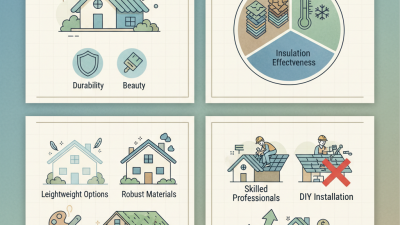
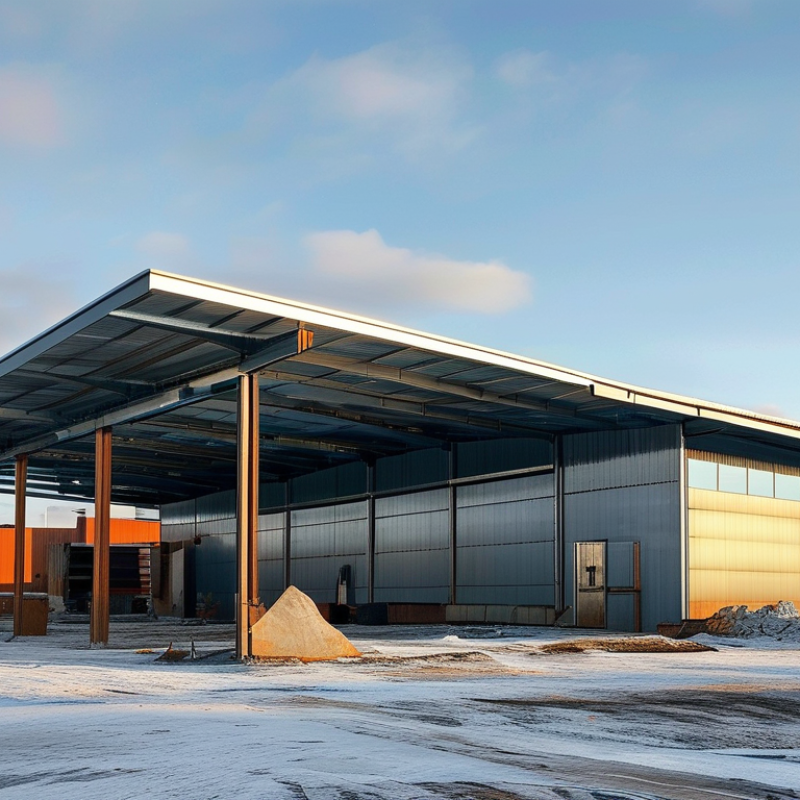
Roof sheets are classified by material, design, and performance, not appearance alone. The ten common types include galvanized steel, coated steel, aluminum, copper, zinc, stainless steel, polycarbonate, PVC, fiber-cement, and bitumen sheets. Steel offers strength and wide availability. Aluminum resists coastal corrosion. Copper and zinc develop protective surface layers over time. Polycarbonate and PVC transmit daylight, but their heat behavior needs careful review.
Design changes installation and drainage. Corrugated sheets suit simple agricultural and utility buildings. Trapezoidal profiles provide useful spanning strength. Standing-seam systems reduce exposed fasteners. Tile-profile sheets imitate traditional roofs. Translucent panels can brighten workshops, though glare may become uncomfortable. Performance depends on coating thickness, gauge, thermal expansion, fire rating, impact resistance, and wind uplift. The UNEP Global Status Report for Buildings and Construction 2023 attributes 34% of global energy demand to buildings and construction. Therefore, reflective coatings and insulation deserve attention, not only purchase price. The World Steel Association reported about 1.89 billion tonnes of crude steel production in 2023, showing why steel remains central to roof-sheet supply. Still, global availability does not guarantee local suitability.
Tips: Check ISO 9223 exposure conditions near the site. Request tested load, fire, and corrosion data. A cheaper sheet can become expensive after repeated repainting. I would avoid one universal ranking. Coastal salt, hail, roof pitch, and installer skill can change the result. Even a technically strong profile may fail when fasteners are poorly sealed.
Top 10 Roof Sheet Types for Global Buyers
How roof sheets are classified by material, design, and performance
The chart compares representative service-life midpoints for widely used roofing materials and designs. Actual performance varies with climate, installation quality, coating, ventilation, maintenance, and exposure to corrosion or impact.
The Top 10 Roof Sheet Types Used in Global Construction
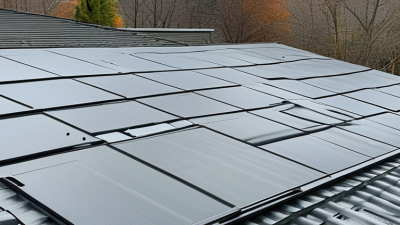
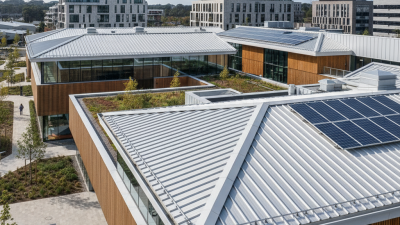
Roof sheets are selected by climate, structure, budget, and maintenance expectations. Galvanized steel remains common because it offers strength and broad availability. Pre-painted steel adds color and extra surface protection. Standing-seam steel reduces exposed fasteners, which helps limit leakage on low-slope roofs. Aluminum suits coastal buildings because it resists salt-related corrosion. However, it can dent more easily during transport or severe hail.
Zinc and copper develop protective surface layers over time, creating long service potential. Their higher cost requires careful design and responsible sourcing. Fiber-cement sheets provide good heat resistance and can reduce indoor noise during rain. They are heavier, though, so the supporting frame must be checked. Polycarbonate sheets admit daylight into workshops, warehouses, and covered walkways. Their thermal movement needs correctly spaced fasteners and durable sealing washers.
Bitumen sheets are lightweight and useful for agricultural or temporary structures. Insulated sandwich panels combine outer metal skins with a core that improves thermal performance. Fire behavior, core selection, and local building rules must be verified by qualified professionals. Clay or concrete sheets can perform well, but their weight and installation method differ from thin metal products. On real sites, many failures come from rushed laps, poor edge detailing, or incompatible screws. The “best” sheet is rarely the cheapest one. In some projects, a stronger material was chosen, but ventilation and drainage were overlooked. That mistake still deserves review.
Key Features, Advantages, and Limitations of Each Roof Sheet Type
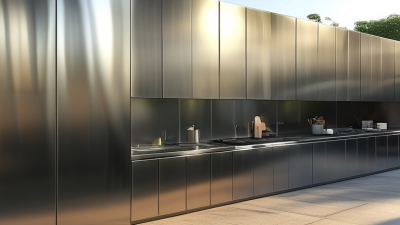
Roof sheets vary widely in strength, cost, weight, and weather resistance. Galvanized steel offers good structural strength and affordable protection, but exposed cut edges may rust. Aluzinc steel reflects heat better and resists corrosion, although poor contact with some metals can cause damage. Aluminum is lightweight and suitable for coastal buildings, yet it dents more easily under hail. Copper lasts for decades and develops a distinctive patina, but its high cost limits many projects. Stainless steel provides excellent durability and a clean appearance, though installation requires skilled workmanship.
Zinc sheets are flexible, naturally protective, and visually refined. Their surface can show scratches, however, and expansion must be considered. Polycarbonate sheets transmit daylight, making them useful for patios and workshops. They can become brittle or discolored when low-quality products face intense sunlight. PVC sheets are light, economical, and resistant to many chemicals, but they may deform in extreme heat. Fiber cement sheets provide good sound reduction and fire resistance, while their weight demands a stronger roof frame.
Clay tiles formed as sheets or panels offer thermal stability and a traditional appearance. They can crack during transport or impact. Concrete roofing panels are robust and often economical, but their weight increases structural requirements. In field inspections, fastener spacing, overlap, drainage, and local wind loads matter as much as the sheet material. A shiny surface is not proof of long service. Even experienced buyers can overlook condensation control, especially in humid climates. Performance depends on the full roof system, not the sheet alone.
Global Standards, Installation Needs, and Maintenance Considerations
Top 10 Roof Sheet Types for Global Buyers
Global buyers commonly compare galvanized steel, aluminum, zinc, copper, stainless steel, polycarbonate, PVC, fiber cement, bitumen, and standing-seam panels. Each type responds differently to climate, structure, and installation skill. Steel sheets suit large industrial roofs, while aluminum performs better near salty coastlines. Polycarbonate admits daylight, but ultraviolet exposure can cause gradual yellowing. Fiber cement offers strong fire resistance, yet it requires careful handling and adequate structural support.
Global standards must guide purchasing decisions. Check coating thickness, wind resistance, fire classification, fastener compatibility, and drainage design. ISO 9223 helps assess atmospheric corrosion conditions. EN 14782 covers self-supporting metal roof sheets in European markets. Local standards may still override international references. That detail is often missed. The International Energy Agency reported that buildings and construction represented 34% of global energy demand in 2022. Reflective roofing can therefore matter. The U.S. Department of Energy reports that cool roofs may reduce cooling demand by 10–30% in suitable climates.
Tips: Confirm the roof slope before ordering. Store sheets above wet ground. Seal cut edges where required. Inspect fasteners after the first storm, then annually. Remove leaves from valleys and gutters. A clean roof is not always a healthy roof; trapped moisture beneath laps can remain invisible. Buyers should request test reports, installation manuals, and maintenance intervals from qualified suppliers. Local installers may identify wind uplift risks better than a distant specification sheet.