10 Essential Tips for Choosing the Best Roof Panels for Your Home
In the evolving landscape of home construction and renovation, selecting the appropriate roof panels has become a pivotal decision for homeowners. With numerous options available, it’s essential to consider factors such as durability, insulation, and aesthetic appeal. According to a recent report by the Roofing Industry Association, the market for roof panels is projected to grow by 6% annually, driven by advancements in materials and an increasing focus on energy efficiency.
Industry expert Dr. James Thornton, a leading consultant in roofing technologies, emphasizes the importance of making informed choices: "The right roof panels not only enhance the appearance of a home but also contribute significantly to energy savings and sustainability." As homeowners increasingly prioritize eco-friendly building materials, understanding the variety and specifications of roof panels can lead to better investment decisions. This guide aims to provide you with 10 essential tips to navigate the diverse landscape of roof panel options, ensuring your home remains both stylish and efficient into 2025 and beyond.
Understanding Different Types of Roof Panels Available on the Market
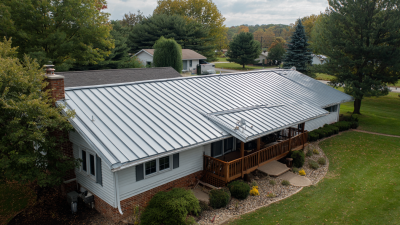
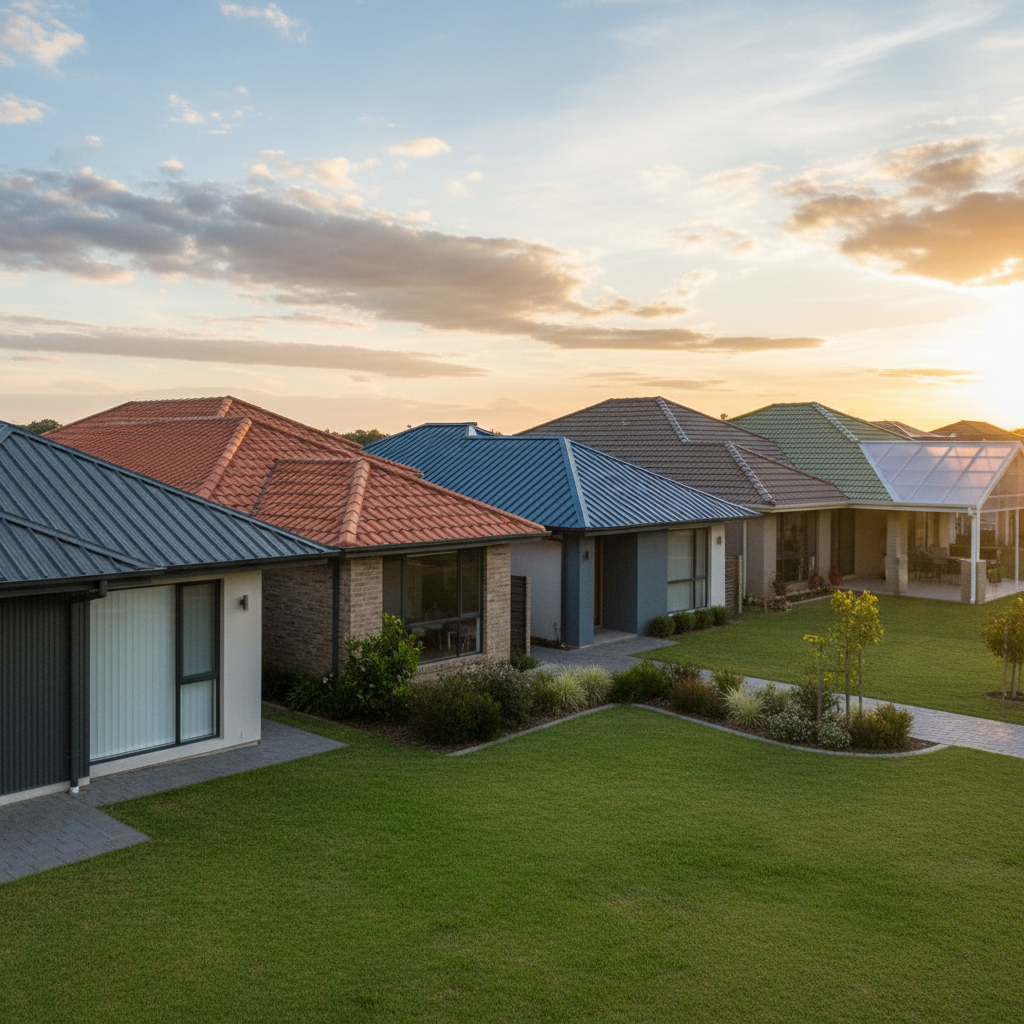
When selecting roof panels for your home, understanding the variety of types available on the market is crucial. There are several popular materials, each offering distinct benefits. Metal roof panels, for instance, are known for their durability and energy efficiency. According to the Metal Roofing Alliance, metal roofs typically last over 50 years, making them one of the most reliable options available. Additionally, they reflect solar heat, potentially reducing cooling costs by 10-25%.
On the other hand, asphalt shingles remain the most common roofing material in North America, chosen for their cost-effectiveness and ease of installation. The National Roofing Contractors Association states that asphalt shingles cover nearly 75% of residential roofs. However, they have a shorter lifespan, usually ranging from 15 to 30 years, depending on the climate and maintenance. For homeowners prioritizing sustainability, options like solar roof tiles are gaining popularity. A report by Allied Market Research suggests that the solar roofing market is expected to reach $23 billion by 2026, demonstrating a growing trend towards eco-friendly building materials. Understanding these options will help you make an informed decision tailored to your specific needs.
Assessing Climate Conditions for Optimal Roof Panel Selection
When selecting roof panels for your home, the importance of assessing climate conditions cannot be overstated. Various materials react differently to environmental factors such as temperature, precipitation, and wind. According to the National Roofing Contractors Association (NRCA), local climate is a fundamental factor in determining roofing durability and longevity. For instance, homes in regions with heavy snowfall require panels that can withstand the weight and prevent accumulation, while those in hotter climates benefit from reflective materials designed to mitigate heat absorption.
For optimal performance, homeowners should also consider the roofing material's R-value, which measures thermal resistance. The American Society of Heating, Refrigerating and Air-Conditioning Engineers (ASHRAE) suggests that regions experiencing extreme temperatures should select roofing systems with a high R-value to improve energy efficiency. Additionally, understanding precipitation patterns—be it rain, snow, or hail—can guide the choice of roof panels designed to handle water drainage or resist impact damage. Overall, aligning roof panel selection with local climate conditions is key to enhancing both the functionality and durability of your roofing system.
Evaluating Energy Efficiency and Insulation Properties of Roof Panels
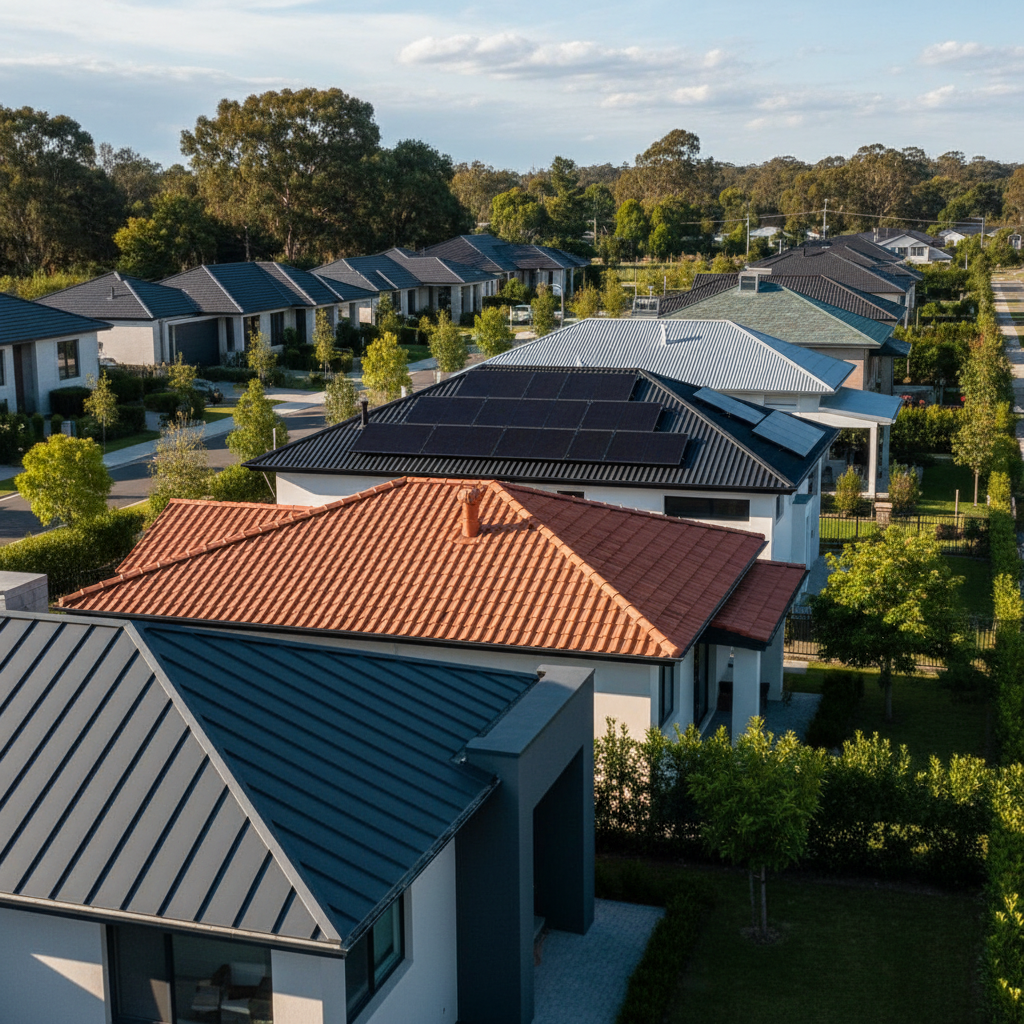
When selecting roof panels for your home, evaluating energy efficiency and insulation properties is crucial. According to the U.S. Department of Energy, approximately 30% of a home's energy is lost through the roof, making effective insulation vital for maintaining comfortable indoor temperatures and reducing energy costs. Advanced roof panel materials, such as insulated metal panels (IMPs), can offer significantly improved thermal resistance compared to traditional options. A study published in the Journal of Building Physics highlights that IMPS can achieve an R-value of up to 30, ensuring optimal insulation performance.
Moreover, the energy efficiency of roof panels can be enhanced through reflective coatings that minimize heat absorption. The Cool Roof Rating Council (CRRC) states that cool roofing materials can decrease roof surface temperatures by up to 50°F, thus reducing air conditioning demands and lowering energy bills. The integration of these technologies not only contributes to a more sustainable living environment but also increases the lifespan of the roof, making thoughtful selection integral to long-term residential efficiency and comfort.
10 Essential Tips for Choosing the Best Roof Panels for Your Home - Evaluating Energy Efficiency and Insulation Properties of Roof Panels
| Roof Panel Type |
R-Value (Insulation) |
Energy Efficiency Rating |
Durability (Years) |
Cost per Sq Ft |
| Metal Panels |
3.5 |
A+ |
50+ |
$3.00 |
| Asphalt Shingles |
R-Value 2.5 |
B |
20-30 |
$1.50 |
| Polycarbonate Panels |
R-Value 3.0 |
A |
25-30 |
$2.50 |
| PVC Panels |
R-Value 5.0 |
A+ |
30-40 |
$4.00 |
| Wood Shakes |
R-Value 3.0 |
B+ |
20-25 |
$5.00 |
Considering Aesthetic Appeal and Design Compatibility with Your Home
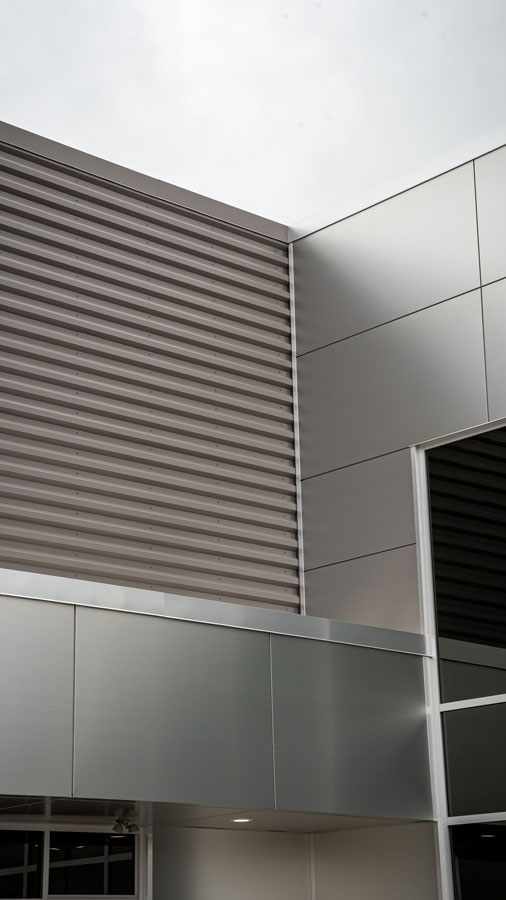
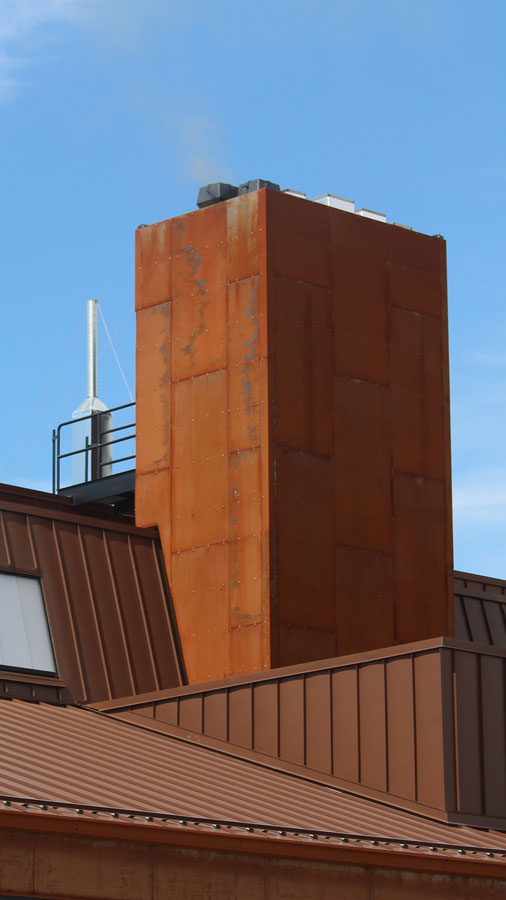
When selecting roof panels for your home, aesthetic appeal and design compatibility are crucial factors that can enhance the overall look and value of your property. First, consider the architectural style of your home. Whether it’s modern, traditional, or rustic, the roof panels should complement the existing design. For example, sleek metal panels might suit a contemporary home, while wood shakes or tiles might be better for a cottage-style dwelling. Additionally, color selection plays a significant role; choosing shades that harmonize with your exterior can create a cohesive appearance.
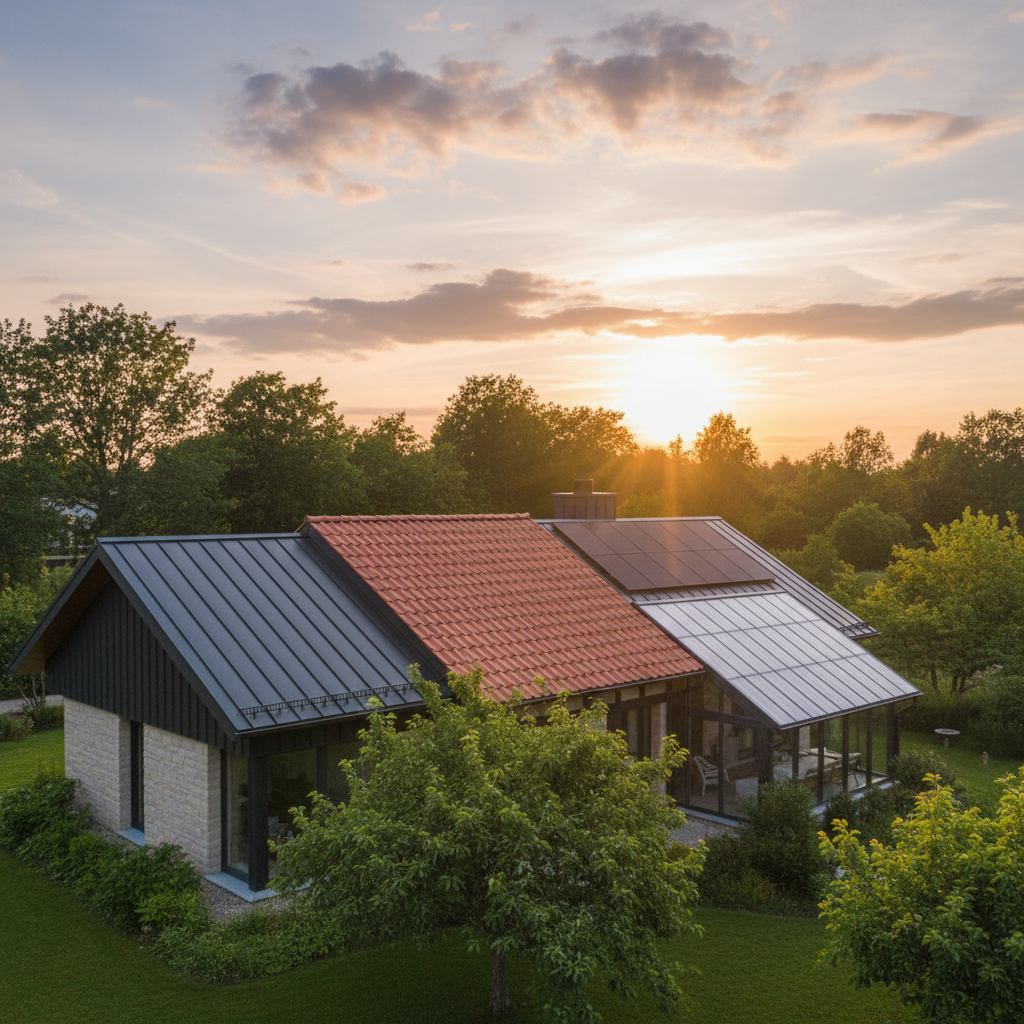
Furthermore, think about the material and texture of the roof panels. Different materials convey distinct styles – clay tiles often exude a classic look, whereas asphalt shingles may provide a more subdued appearance. It's essential to balance durability with beauty, ensuring that the roof not only looks good but also performs well in your climate. Using accents or contrasting colors sparingly can also highlight specific architectural features while still maintaining overall harmony. Ultimately, the right choice of roof panels will reflect your personal taste and contribute positively to your home's aesthetic appeal.
Budgeting for Roof Panel Installation: Costs and Long-term Value
When budgeting for roof panel installation, it's critical to consider both the initial costs and the long-term value they provide. For instance, the median cost for construction can vary significantly, with small installations averaging about $350 per square foot and potentially reaching up to $450 in high-cost areas like New York. Such figures underscore the importance of obtaining multiple estimates and understanding the factors that contribute to these costs, including material choices and labor intricacies.
Additionally, investing in quality roof panels can lead to substantial savings over time. While the upfront investment may be higher for more efficient materials, such as premium solar panels, these options often come with longer warranties and lower energy costs. As homeowners seek to maximize the benefits of their investments, it's essential to weigh the trade-offs between immediate expenses and the potential for reduced utility bills and enhanced property value. With incentives like tax credits available, opting for high-quality roof panels could lead to substantial financial rewards in the future.
10 Essential Tips for Choosing the Best Roof Panels for Your Home