How to Choose the Best Sheet Metal Roof Panels for Maximum Durability and Energy Efficiency
Selecting the right sheet metal roof panels is crucial for homeowners and builders aiming to achieve maximum durability and energy efficiency in their roofing systems. With various options available, understanding the different types of sheet metal roofing and their specific benefits is essential for making an informed decision. This article will explore key factors to consider when choosing sheet metal roof panels, ensuring that your investment not only enhances the aesthetic appeal of a property but also provides long-lasting protection against the elements.
Durability is a primary concern for any roofing material, and sheet metal roof panels are known for their resilience. Unlike traditional roofing materials, they offer superior strength and longevity, resisting issues such as warping, cracking, and rusting. However, the performance of these panels can vary significantly based on the type of metal used and the coating applied for protection. Additionally, energy efficiency is increasingly important in today’s environmentally-conscious market, as potential energy savings can offset initial costs over time. In this article, we will delve into the various types of sheet metal roof panels available, helping you choose the best option that aligns with your budget, climate considerations, and personal preferences.
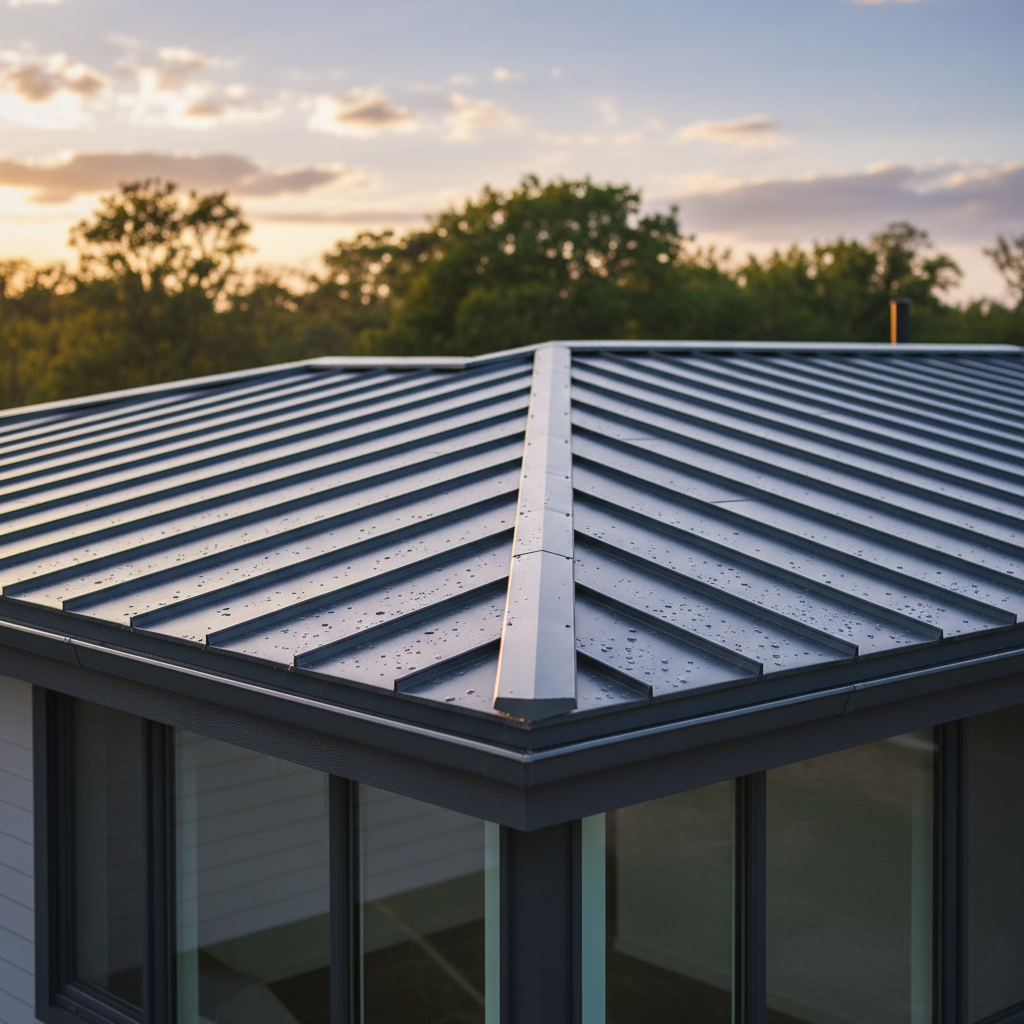
Factors Influencing Durability in Sheet Metal Roof Panels
When selecting sheet metal roof panels, understanding the factors influencing their durability is crucial. One key aspect is the material composition; different metals, such as steel, aluminum, or zinc, provide varying levels of resistance to corrosion and environmental factors.
For instance, galvanized steel offers a protective zinc coating that enhances its lifespan, while aluminum is naturally resistant to rust, making it suitable for regions with high moisture content.
Another significant factor is the panel coating. High-quality coatings, such as Kynar 500 or Hylar 5000, can significantly improve the longevity of metal roofs by providing an additional layer of protection against UV rays, chemicals, and weathering. Moreover, the thickness of the metal itself plays a vital role in durability.
Thicker panels tend to withstand impacts and extreme weather conditions better than their thinner counterparts, ensuring long-term performance and reducing the need for frequent replacements.
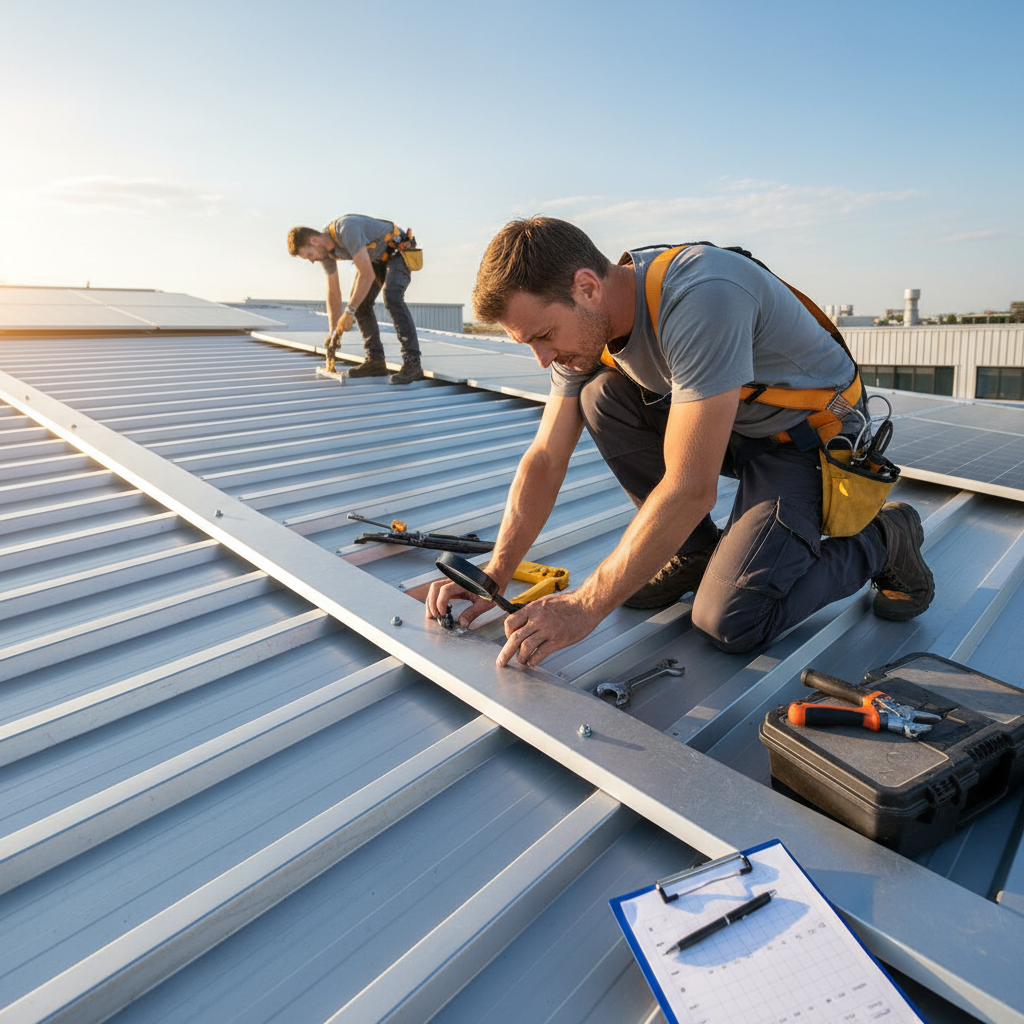
Finally, proper installation is paramount for maximizing durability. Even the best materials can fail if not installed correctly. Ensuring that panels are securely fastened and that seams are sealed effectively minimizes the risks of leaks and structural issues over time. Additionally, choosing panels that comply with local building codes and are suited to regional weather patterns can further enhance the longevity of a sheet metal roof.
Energy Efficiency: Key Features to Look for in Roof Panels
When selecting sheet metal roof panels, energy efficiency should be a top consideration. Look for panels that come with reflective coatings or finishes, which can significantly reduce heat absorption. Light-colored or metallic surfaces can reflect sunlight, keeping the indoor environment cooler and lessening the demand for air conditioning. This not only contributes to a comfortable living space but also results in lower energy bills.
Another important feature to consider is the insulation capability of the panels. Opt for roof panels with integrated insulation or those that allow for easy installation of insulation materials. A well-insulated roof minimizes heat transfer, contributing to energy savings throughout the year. Additionally, ensure that the panels are designed to create a tight seal and minimize air leaks, further enhancing their energy efficiency. By prioritizing these key features, you can maximize the performance and longevity of your roof while minimizing environmental impact.
Comparing Different Materials for Optimal Performance
When selecting sheet metal roof panels, it's crucial to compare different materials to ensure optimal performance in terms of durability and energy efficiency. Common materials include galvanized steel, aluminum, and copper, each offering unique advantages.
According to the Metal Roofing Alliance, steel roofing can last 40-70 years, while aluminum is known for its corrosion resistance and can last similarly long if properly maintained. Meanwhile, copper roofing, though more expensive, can last over 100 years and develops a protective patina that further enhances its durability.
Energy efficiency is another critical factor to consider. A report from the Cool Roof Rating Council indicates that reflective roofing materials can reduce attic temperatures by up to 30%, leading to lower cooling costs in warmer climates. Galvanized steel takes the lead with high reflectivity and the option for finishes that further enhance energy performance. Aluminum roofs also offer excellent reflectivity and are particularly beneficial in coastal regions due to their resistance to salt and corrosion.
By carefully evaluating these materials, homeowners can choose a roofing solution that not only meets their durability needs but also promotes energy efficiency, ultimately saving money in the long run.
Maintenance Tips to Extend the Life of Metal Roofs
When it comes to maintaining metal roofs, regular upkeep is crucial for extending their lifespan and ensuring energy efficiency. One of the primary tips is to conduct routine inspections, at least twice a year, to check for signs of rust, loose screws, or damaged seams. Identifying and addressing these issues early can prevent more extensive and costly repairs down the line.
Another important tip is to keep the roof free from debris. Leaves, branches, and dirt can trap moisture against the metal, leading to corrosion over time. Use a soft-bristle broom or a leaf blower to clear the surface. Additionally, maintaining proper drainage by ensuring gutters and downspouts are clear will help avoid water buildup which can compromise the roof's integrity.
Lastly, consider applying a protective coating every few years. This not only enhances the roof's reflective properties, improving energy efficiency, but also adds an extra layer of protection against the elements. By incorporating these maintenance practices, you can significantly improve your metal roof’s durability and performance, ensuring it remains a reliable barrier against the weather for many years.
Cost vs. Benefit: Investing in Quality Roof Panels for Long-Term Savings
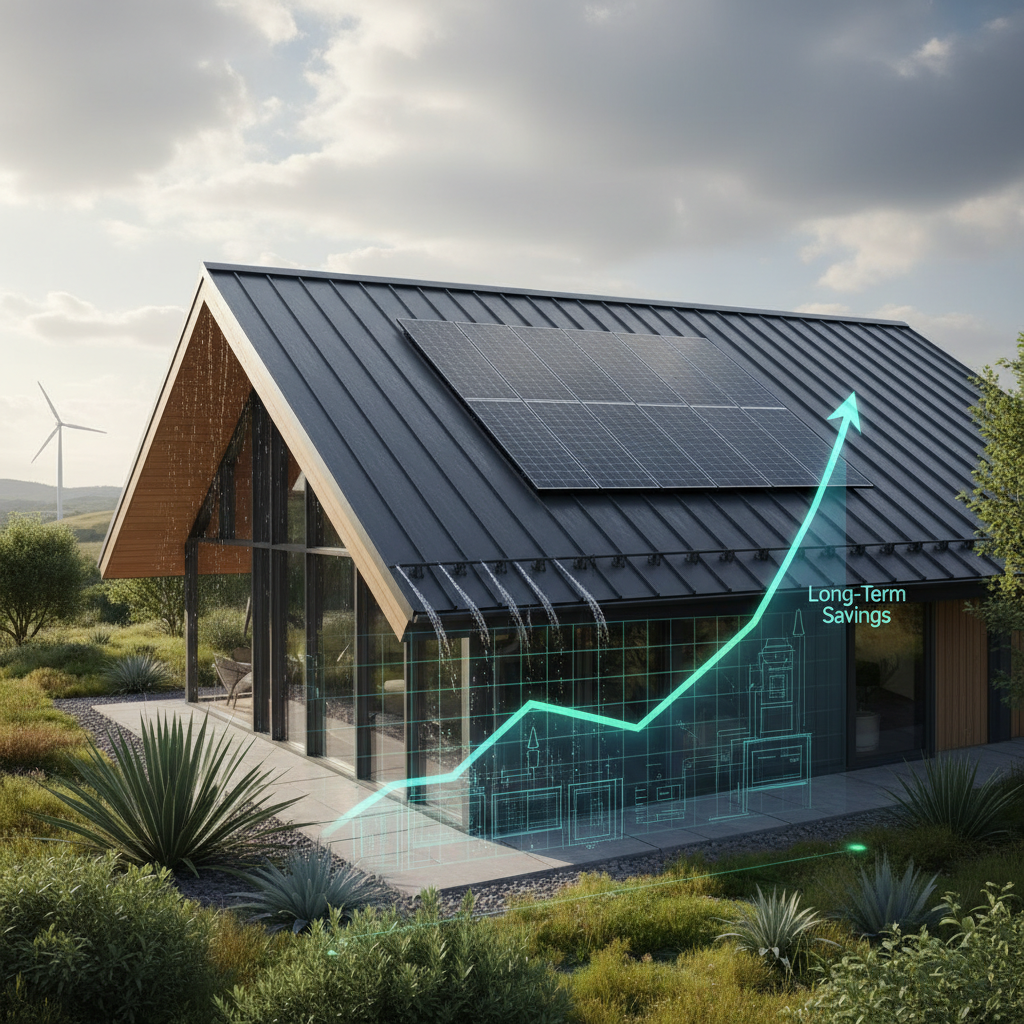
When selecting sheet metal roof panels, it’s crucial to weigh the cost against the long-term benefits. Investing in
high-quality materials may seem expensive upfront, but the durability and
efficiency they offer can lead to significant savings over time. Quality panels are designed to withstand extreme weather conditions,
reducing the need for repairs and replacements. Furthermore, energy-efficient roofing can lower heating and cooling costs, making it a smart
financial decision in the long run.
Tips for choosing the best sheet metal roof panels:
- Assess your local climate and understand the specific attributes of different materials.
- For example, galvanized steel offers excellent corrosion resistance, while aluminum is lightweight and resists rust.
- Additionally, consider panels with reflective coatings, which can enhance energy efficiency by reducing heat absorption.
Another key factor is to evaluate warranties and manufacturer reputations. A longer warranty often indicates a manufacturer's confidence in their product.
Take the time to research various companies and read customer reviews to ensure you’re making a sound investment.
By prioritizing quality, you secure a roof that not only protects your home but also provides value over time.